
A broken nose, medically known as a nasal fracture, is one of the most common facial injuries. Whether from a sports collision, fall, or accident, a fractured nose can cause pain, swelling, and breathing difficulties. While some cases may seem minor, untreated fractures can lead to long-term complications such as chronic congestion, facial asymmetry, or deviated septum. Recognizing the signs early and knowing when to get medical attention are crucial steps in ensuring proper healing and avoiding future issues.
Common Signs of a Broken Nose
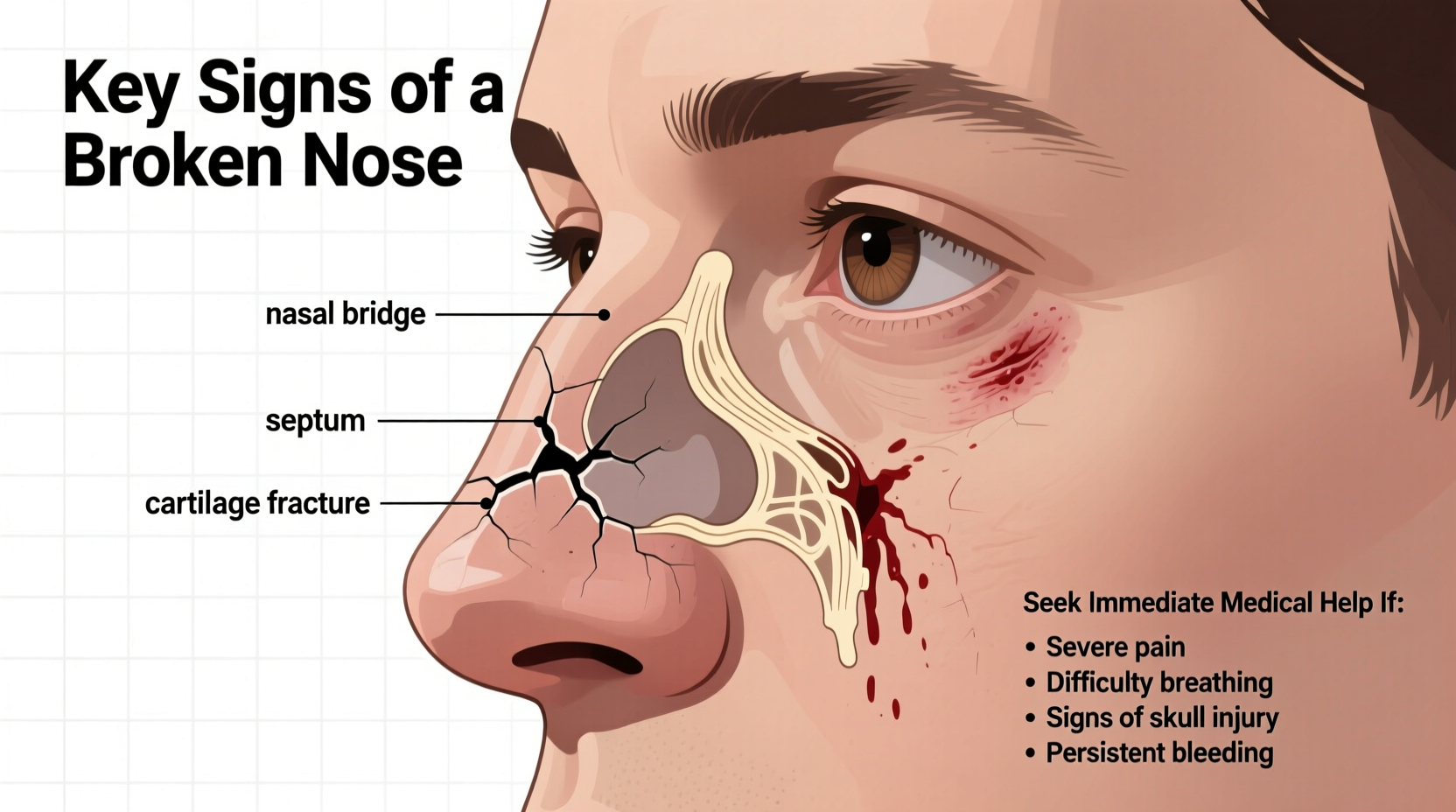
Immediately after facial trauma, it’s not always obvious whether the nose is broken. However, several physical and sensory indicators point toward a possible fracture.
- Pain and tenderness: Sharp pain at the bridge or side of the nose that worsens with touch.
- Swelling and bruising: Rapid onset of swelling around the nose and under the eyes (commonly called “raccoon eyes”).
- Nosebleeds: Frequent or prolonged bleeding due to damaged blood vessels in the nasal lining.
- Visible deformity: A crooked or bent appearance, especially if the injury was significant.
- Breathing difficulty: Obstruction in one or both nostrils caused by internal swelling or displacement of bone or cartilage.
- Crepitus: A crunching or grinding sensation when touching or moving the nose—this indicates bone fragments shifting.
Not all broken noses result in dramatic deformities. Some fractures are hairline cracks that still impair function without altering appearance. This makes symptom awareness essential even if the nose looks normal.
When to Seek Medical Attention
While minor injuries may heal on their own, certain situations require prompt evaluation by a healthcare provider. Delaying treatment can complicate recovery and increase the risk of permanent structural changes.
Seek immediate medical care if you experience:
- Heavy or continuous nosebleeds that don’t stop after 20 minutes of pressure.
- Clear fluid draining from the nose, which could indicate cerebrospinal fluid leakage—a sign of skull base fracture.
- Severe facial swelling that obstructs vision or breathing.
- Suspected loss of smell or double vision.
- Signs of infection like fever, pus, or worsening redness days after the injury.
Even if symptoms seem manageable, it's wise to see a doctor within 24 to 48 hours of the injury. Early assessment allows for accurate diagnosis and timely intervention, particularly if realignment is needed.
“Nasal fractures are best evaluated within the first few days. After five to seven days, swelling masks the true extent of displacement, making correction more difficult.” — Dr. Alan Pierce, Otolaryngologist
Diagnosis and Medical Evaluation Process
Doctors use a combination of physical examination and imaging to confirm a broken nose. During the visit, expect the following steps:
- Medical history review: The physician will ask about the incident, timing, and progression of symptoms.
- External inspection: Looking for visible misalignment, bruising, or skin lacerations.
- Palpation: Gently feeling the nasal bones for instability, tenderness, or abnormal movement.
- Internal exam: Using a nasal speculum to check for septal hematoma (a dangerous collection of blood) or blockages.
- Imaging (if necessary): CT scans may be ordered if there’s concern about complex fractures or involvement of surrounding facial structures.
X-rays are rarely used today because they often fail to capture cartilage damage and provide limited detail compared to CT imaging. However, most straightforward cases are diagnosed clinically without imaging.
What Happens If a Nasal Fracture Is Left Untreated?
Ignoring a broken nose can lead to complications beyond cosmetic concerns. Potential long-term effects include:
- Chronic sinus infections due to poor drainage.
- Permanent breathing obstruction from a deviated septum.
- Nasal valve collapse, where weakened cartilage causes airway narrowing during inhalation.
- Psychological impact from altered facial appearance.
Early treatment significantly reduces these risks and supports optimal functional and aesthetic outcomes.
Treatment Options Based on Severity
Treatment varies depending on the type and severity of the fracture. Below is an overview of common approaches:
| Fracture Type | Symptoms | Treatment Approach |
|---|---|---|
| Mild (non-displaced) | Minor pain, slight swelling, no deformity | R.I.C.E. method (Rest, Ice, Compression, Elevation), pain relief, monitor for changes |
| Moderate (displaced but reducible) | Crooked nose, moderate bleeding, breathing issues | Closed reduction procedure within 7–10 days; local or general anesthesia used to reposition bones |
| Severe (comminuted or complex) | Severe deformity, CSF leak, eye involvement | Surgical repair (rhinoplasty or reconstructive surgery); may require delayed intervention after swelling subsides |
In cases requiring closed reduction, the procedure must be performed before scar tissue forms—typically within 10 days post-injury. After this window, surgical correction may be postponed for several months until full healing occurs.
Recovery Timeline and Care Tips
Healing from a nasal fracture takes time and careful management. Here’s a realistic timeline and what to expect:
- Days 1–3: Focus on controlling swelling with ice packs (15 minutes every hour), keeping the head elevated, and avoiding any pressure on the nose.
- Days 4–7: Swelling begins to subside; follow-up appointment scheduled to assess need for realignment.
- Week 2: Most acute symptoms resolve. No strenuous activity, contact sports, or wearing glasses that rest on the bridge.
- Weeks 3–6: Bone stabilizes. Light exercise may resume with doctor approval.
- After 6 weeks: Full return to normal activities, including sports, assuming no complications.
At-Home Care Checklist
To promote faster healing and reduce discomfort, follow this checklist:
- Apply ice packs frequently during the first 48 hours.
- Take over-the-counter pain relievers like acetaminophen (avoid aspirin or NSAIDs initially, as they may increase bleeding).
- Keep your head elevated, even while sleeping.
- Avoid blowing your nose for at least a week.
- Stay away from crowded or dusty environments to minimize infection risk.
- Attend all follow-up appointments and report any new symptoms immediately.
Real-Life Example: A Delayed Diagnosis
Mark, a 28-year-old recreational basketball player, took an elbow to the face during a game. He had a nosebleed and mild swelling but assumed it was just bruised. He didn’t seek care, thinking rest would suffice. Two weeks later, he noticed persistent congestion and difficulty breathing through his left nostril. By the time he saw an ENT specialist, significant deviation of the nasal septum had occurred. Because too much time had passed for a simple realignment, Mark required elective surgery six months later to correct airflow and restore symmetry. His case highlights how seemingly minor injuries can have lasting consequences without timely evaluation.
Frequently Asked Questions
Can a nose be broken without noticeable swelling or bleeding?
Yes. Some fractures, especially hairline or non-displaced ones, may not cause significant external signs. Pain, tenderness, and subtle breathing changes might be the only clues.
Is it safe to reset a broken nose at home?
No. Attempting to manipulate the bones yourself can worsen the injury, cause infection, or lead to improper healing. Always have a qualified medical professional perform any realignment.
Will a broken nose always look crooked?
Not necessarily. Internal damage can occur without visible change. Conversely, swelling may make the nose appear misshapen temporarily, even without a fracture. Only a clinical exam can determine the true condition.
Final Thoughts: Act Fast, Heal Better
Recognizing the signs of a broken nose isn't just about addressing pain or appearance—it's about protecting your long-term health and function. From sudden trauma to subtle discomfort, paying attention to your body’s signals can prevent avoidable complications. Whether you're an athlete, parent, or simply navigating daily life, knowing when to seek help empowers you to make informed decisions.




 浙公网安备
33010002000092号
浙公网安备
33010002000092号 浙B2-20120091-4
Comments
No comments yet. Why don't you start the discussion?