
Attention Deficit Disorder (ADD), often used interchangeably with the inattentive presentation of ADHD, affects millions of people worldwide—children and adults alike. Despite its prevalence, many remain undiagnosed because symptoms are mistaken for laziness, lack of discipline, or simple forgetfulness. Recognizing the signs early can lead to better outcomes, improved relationships, and greater personal success. This guide breaks down what ADD looks like, how it differs from general distraction, and what steps to take if you or someone you care about may be affected.
Understanding ADD: Beyond the Myths
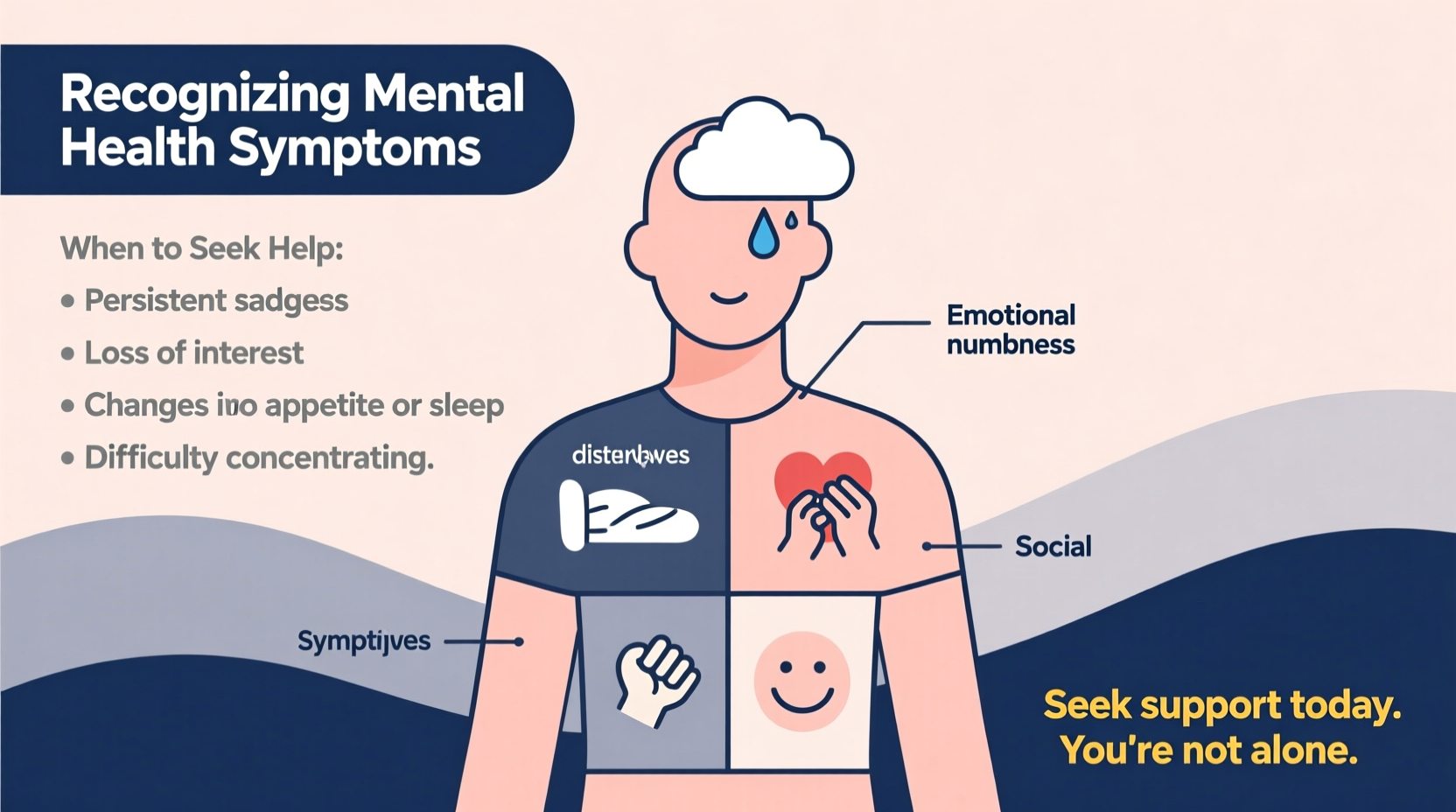
ADD refers specifically to the predominantly inattentive type of Attention-Deficit/Hyperactivity Disorder (ADHD). Unlike the hyperactive-impulsive type, individuals with ADD do not typically exhibit overt restlessness or disruptive behavior. Instead, their struggles center on focus, organization, and consistency. Because these symptoms are internalized, they’re often overlooked—especially in adults who have developed coping mechanisms over time.
The core issue lies in executive function—the brain’s ability to plan, prioritize, manage time, and regulate attention. When this system is impaired, even simple tasks can feel overwhelming. It’s not a matter of intelligence or motivation; it’s a neurobiological difference that requires understanding and support.
“ADD isn’t about willpower. It’s about neurochemistry. People aren’t ignoring responsibilities—they’re struggling to access the mental tools needed to meet them.” — Dr. Rachel Green, Clinical Neuropsychologist
Common Symptoms of ADD in Children and Adults
Symptoms of ADD manifest differently depending on age, environment, and individual temperament. While some signs appear similar across age groups, others become more pronounced under pressure or during periods of high demand.
In Children:
- Frequent daydreaming during class or conversations
- Difficulty following multi-step instructions
- Losing essential items like homework, books, or clothing
- Avoiding tasks that require sustained mental effort
- Seeming not to listen when spoken to directly
- Poor organizational skills, messy desks or backpacks
- Slow completion of schoolwork despite understanding the material
In Adults:
- Chronic procrastination, especially on important projects
- Missed deadlines, forgotten appointments, or double-bookings
- Starting multiple projects but finishing few
- Struggling to follow through on commitments
- Feeling overwhelmed by clutter at home or work
- Underperforming despite high intelligence or capability
- Low self-esteem due to repeated “failures” or perceived laziness
How ADD Differs from Normal Distraction
Everyone zones out sometimes. The key to identifying ADD lies in frequency, severity, and impact. Consider the following distinctions:
| Factor | Normal Distraction | ADD-Related Inattention |
|---|---|---|
| Frequency | Occasional, situational | Nearly daily, across environments |
| Triggers | Tiredness, stress, boredom | Present even when rested and interested |
| Impact | Minor inconvenience | Disrupts work, relationships, self-worth |
| Self-Awareness | Recognizes lapse quickly | May not notice until consequences arise |
| Compensation | Easily refocuses with effort | Effort doesn’t reliably restore focus |
If someone consistently struggles despite trying hard, and if the problem persists across years and settings, it may be more than just poor habits—it could be ADD.
Step-by-Step Guide to Seeking Help
Recognizing symptoms is only the first step. Taking action ensures long-term improvement. Follow this timeline to move from suspicion to support:
- Track Patterns (Week 1–2): Keep a journal noting moments of distraction, missed tasks, emotional reactions, and environmental triggers. Note whether issues occur at school, work, or home.
- Consult a Trusted Person (Week 3): Share your observations with a partner, parent, teacher, or close friend. Ask if they’ve noticed similar behaviors. External validation helps reduce self-doubt.
- Research Qualified Professionals (Week 4): Look for psychologists, psychiatrists, or neurologists who specialize in ADHD/ADD assessments. Primary care doctors can refer, but specialists provide more thorough evaluations.
- Schedule an Evaluation (Week 5–6): Assessments typically include interviews, symptom checklists (like the ASRS), cognitive tests, and sometimes input from family or teachers. There is no single blood test or scan—diagnosis is clinical.
- Review Treatment Options (Week 7+): If diagnosed, discuss treatment plans. These may include medication (e.g., stimulants like Adderall or non-stimulants like Strattera), therapy (especially CBT), coaching, or workplace/school accommodations.
- Implement Support Systems (Ongoing): Use calendars, reminders, task lists, and structured routines. Inform employers or educators if appropriate to access support.
Real Example: Sarah’s Story
Sarah, a 34-year-old graphic designer, always prided herself on creativity. But she struggled to meet client deadlines, often working late into the night after forgetting tasks earlier in the week. Her desk was buried under sticky notes, and she frequently apologized for missed emails. Coworkers assumed she was disorganized by choice.
After her third performance review flagged “inconsistent output,” Sarah began tracking her work habits. She realized she wasn’t lazy—she simply lost track of time, jumped between ideas, and forgot assignments unless reminded. A psychologist diagnosed her with ADD, predominantly inattentive type.
With medication and weekly coaching, Sarah implemented time-blocking techniques and digital task managers. Within months, her productivity improved, and her confidence returned. “I finally understood it wasn’t a character flaw,” she said. “It was a condition I could manage.”
Practical Tips for Daily Management
Whether diagnosed or awaiting evaluation, certain strategies can ease daily challenges associated with ADD:
FAQ: Common Questions About ADD
Can you develop ADD as an adult?
No—ADD is a neurodevelopmental condition present from childhood. However, many adults go undiagnosed because symptoms were misunderstood or masked. What appears to be a new onset is usually a long-standing pattern that became unmanageable due to increased responsibilities.
Is medication necessary for treating ADD?
Not for everyone. Some individuals benefit significantly from behavioral strategies, therapy, and environmental adjustments. However, for moderate to severe cases, medication can be transformative by improving focus and reducing mental fatigue. Decisions should be made with a qualified healthcare provider.
Does having ADD mean I’m less intelligent?
Absolutely not. Many people with ADD are highly intelligent, creative, and insightful. The challenge lies in consistent execution, not cognitive ability. In fact, their divergent thinking often leads to innovative solutions once structure is in place.
Checklist: Signs It’s Time to Seek an Evaluation
- Regularly missing deadlines despite wanting to succeed
- Receiving feedback about being “spaced out” or unreliable
- Needing excessive external reminders to complete tasks
- Experiencing chronic stress related to disorganization
- Having a family history of ADHD or learning differences
- Feeling mentally exhausted from trying to stay focused
- Seeing similar patterns in a child you suspect may also have ADD
Conclusion: Take the First Step Toward Clarity
Recognizing ADD symptoms is an act of self-awareness, not self-criticism. Millions live with untreated ADD, blaming themselves for struggles that stem from biology, not character. Understanding the signs empowers you to seek accurate diagnosis and effective support. Whether you’re a parent noticing patterns in your child or an adult finally making sense of lifelong challenges, help is available.




 浙公网安备
33010002000092号
浙公网安备
33010002000092号 浙B2-20120091-4
Comments
No comments yet. Why don't you start the discussion?