
Cats age more subtly than humans, and their instinct to hide discomfort makes it easy to miss the early signs of aging. By understanding the physical, behavioral, and health-related changes that occur as cats grow older, owners can provide timely support and improve their pet’s quality of life. Most cats enter their senior years around age 7, with geriatric status beginning at 11 or 12. Recognizing these transitions allows for earlier intervention, better comfort, and a stronger bond during your cat’s golden years.
Physical Signs of Aging in Cats
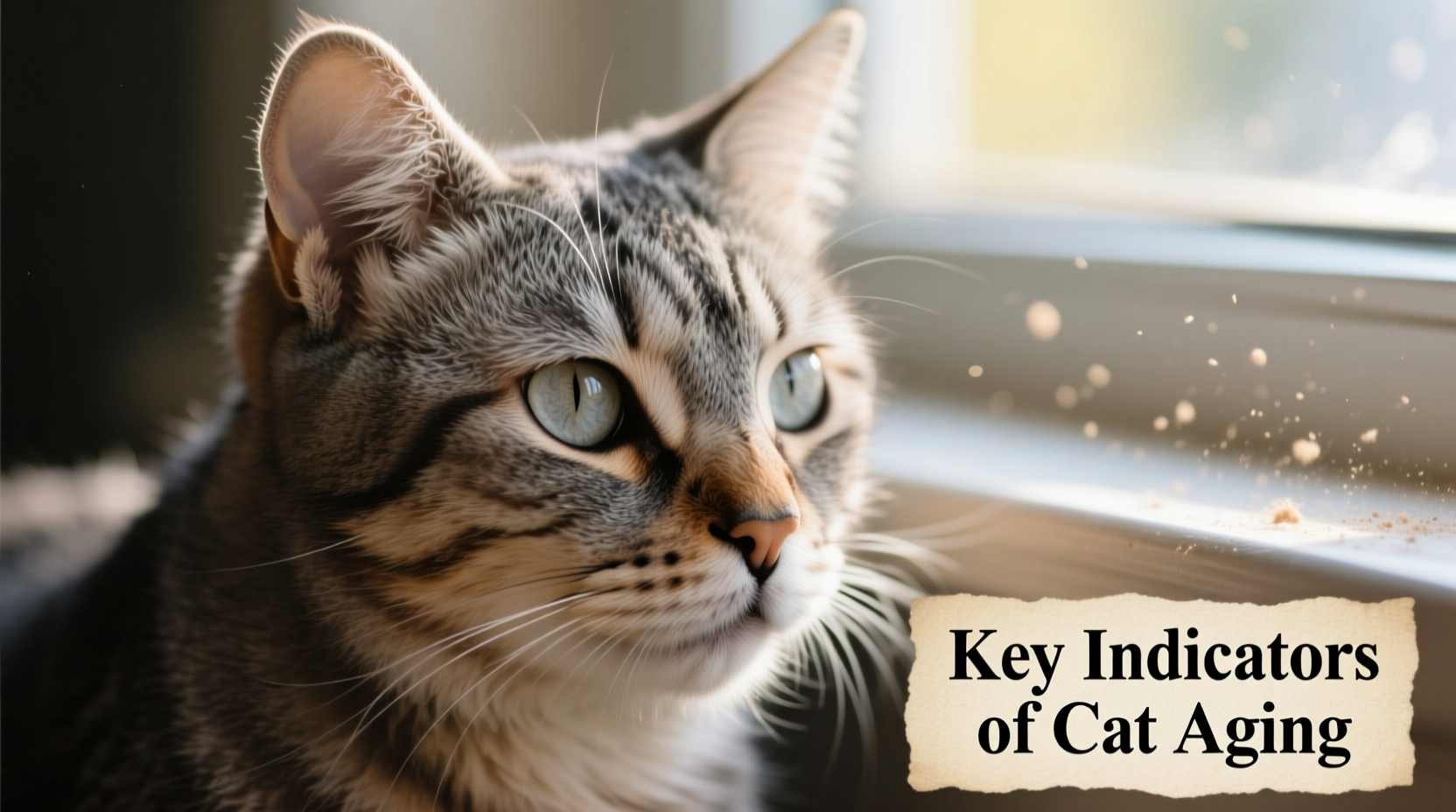
As cats age, their bodies undergo gradual but noticeable transformations. These physical changes are often the first clues that your cat is entering her senior phase.
- Coat and skin changes: Older cats may develop a duller coat, increased shedding, or matted fur due to reduced grooming. Dry or flaky skin can also appear.
- Weight fluctuations: Unintentional weight loss is common and may signal underlying conditions like kidney disease or hyperthyroidism. Conversely, some cats gain weight due to decreased activity.
- Dental issues: Bad breath, yellowing teeth, drooling, or reluctance to eat crunchy food often point to periodontal disease, which affects over 70% of cats by age 3 but worsens with age.
- Muscle loss and stiffness: You might notice your cat struggling to jump onto furniture or appearing wobbly when walking—signs of arthritis or muscle atrophy.
- Eyes and vision: Cloudiness (nuclear sclerosis) is normal, but sudden vision loss, bumping into objects, or dilated pupils could indicate cataracts, glaucoma, or hypertension.
Behavioral Changes That Signal Aging
Cognitive decline, pain, or sensory loss can alter how a cat interacts with her environment. These shifts are sometimes mistaken for “just getting old,” but they warrant attention.
Senior cats may become less active, sleep more, or avoid social interaction. Some develop confusion, especially at night—vocalizing loudly, pacing, or seeming disoriented. This behavior, known as feline cognitive dysfunction (FCD), affects up to 50% of cats over 15.
Other notable changes include:
- Reduced grooming leading to a greasy or unkempt appearance
- Increased irritability or avoidance of handling
- Accidents outside the litter box due to mobility issues or urinary tract problems
- Forgetting previously learned routines, such as where the food bowl is located
“Cats don’t ‘just slow down’ without reason. A change in behavior is often the only clue that something is medically wrong.” — Dr. Lena Torres, Feline Internal Medicine Specialist
Common Health Conditions in Senior Cats
Aging increases susceptibility to chronic diseases. The most prevalent conditions in older cats include:
| Condition | Symptoms | Diagnosis & Management |
|---|---|---|
| Kidney Disease | Increased thirst, frequent urination, weight loss, poor appetite | Blood/urine tests; managed with diet, fluids, medications |
| Hyperthyroidism | Weight loss despite increased appetite, hyperactivity, vomiting | T4 blood test; treated with medication, diet, or radioiodine therapy |
| Diabetes Mellitus | Excessive drinking, urination, lethargy, weight loss | Blood glucose testing; managed with insulin and diet control |
| Arthritis | Limping, reluctance to jump, stiff gait, overgrooming joints | X-rays or physical exam; treated with pain meds, supplements, environmental adjustments |
| Dental Disease | Drooling, chattering teeth, dropping food, bad breath | Oral exam under anesthesia; treatment includes cleaning or extractions |
Early diagnosis significantly improves outcomes. Annual vet exams are crucial, and twice-yearly visits are recommended after age 10.
Step-by-Step Guide to Supporting Your Aging Cat
Caring for a senior cat involves proactive monitoring and thoughtful lifestyle adjustments. Follow this timeline to ensure your feline companion remains comfortable and healthy.
- Monthly at-home assessments: Check weight, coat condition, eyes, ears, and mobility. Use a notebook or app to track changes.
- Biannual veterinary visits: Include blood work, urinalysis, blood pressure check, and dental evaluation.
- Adjust the home environment: Add soft bedding, ramps or steps to favorite perches, and low-entry litter boxes placed on each floor.
- Switch to senior-formula food: Choose diets rich in omega-3s, antioxidants, and easily digestible proteins. Consult your vet for specific needs.
- Encourage gentle activity: Use wand toys or food puzzles to stimulate movement and mental engagement without strain.
- Monitor medication response: If your cat is on treatment for a chronic condition, watch for side effects and report them promptly.
Real-Life Example: Bella’s Journey into Senior Care
Bella, a 13-year-old domestic shorthair, had always been an agile climber and meticulous groomer. Her owner, Maria, began noticing subtle shifts: Bella stopped jumping onto the windowsill, started sleeping under the bed more often, and occasionally missed the litter box.
Assuming it was normal aging, Maria didn’t act immediately. But when Bella lost two pounds over six weeks and began vocalizing at night, she scheduled a vet visit. Blood tests revealed early-stage kidney disease and mild hyperthyroidism.
With a prescription diet, daily medication, and a new litter box on the main floor, Bella’s energy improved within weeks. Maria added a heated bed and started interactive play sessions with soft toys. Today, Bella is stable, comfortable, and still enjoys sunbathing—just from a lower perch.
This case underscores the importance of not dismissing changes as “just old age.” Intervention made a measurable difference.
Essential Checklist for Monitoring Senior Cats
Use this checklist monthly to stay ahead of potential issues:
- ✅ Monitor water intake and urination frequency
- ✅ Weigh your cat (use a baby scale for accuracy)
- ✅ Inspect teeth and gums for redness or tartar
- ✅ Observe mobility: Can she jump, climb, or use stairs?
- ✅ Note any changes in appetite or eating habits
- ✅ Watch for nighttime restlessness or vocalization
- ✅ Check coat condition and grooming behavior
- ✅ Schedule biannual vet exams with lab work
Frequently Asked Questions
At what age is a cat considered elderly?
Cats are typically classified as senior between 7 and 10 years old and geriatric at 11 years and beyond. Individual health varies, so regular vet assessments are key regardless of age.
Can older cats learn new things?
Yes. While cognitive slowing occurs, many senior cats adapt well to new routines, toys, or feeding schedules. Mental stimulation through puzzle feeders or scent games helps maintain brain function.
Is it normal for my cat to sleep more as she ages?
Increased sleep is common, but excessive lethargy, difficulty waking, or disinterest in surroundings may indicate pain, illness, or cognitive decline and should be evaluated by a veterinarian.
Conclusion: Honor the Golden Years with Proactive Care
Recognizing the signs of aging in cats isn’t about fearing decline—it’s about embracing a deeper level of care. Your observant eye, consistent routine, and partnership with your veterinarian can transform your cat’s later years into a time of comfort, dignity, and connection. These quiet companions have spent years enriching your life; now is the time to return the kindness with patience, love, and informed action.




 浙公网安备
33010002000092号
浙公网安备
33010002000092号 浙B2-20120091-4
Comments
No comments yet. Why don't you start the discussion?