
Cannabis use, whether for recreational or therapeutic purposes, is increasingly common across many regions. While it can offer relaxation, creativity, and pain relief, its psychoactive effects vary widely from person to person. Understanding what’s happening in your body and mind when you’re high isn’t just about managing discomfort—it’s essential for safety, well-being, and responsible use. Recognizing early signs, knowing your personal thresholds, and responding appropriately can transform an overwhelming experience into a manageable one.
Understanding the Physiology of Being High
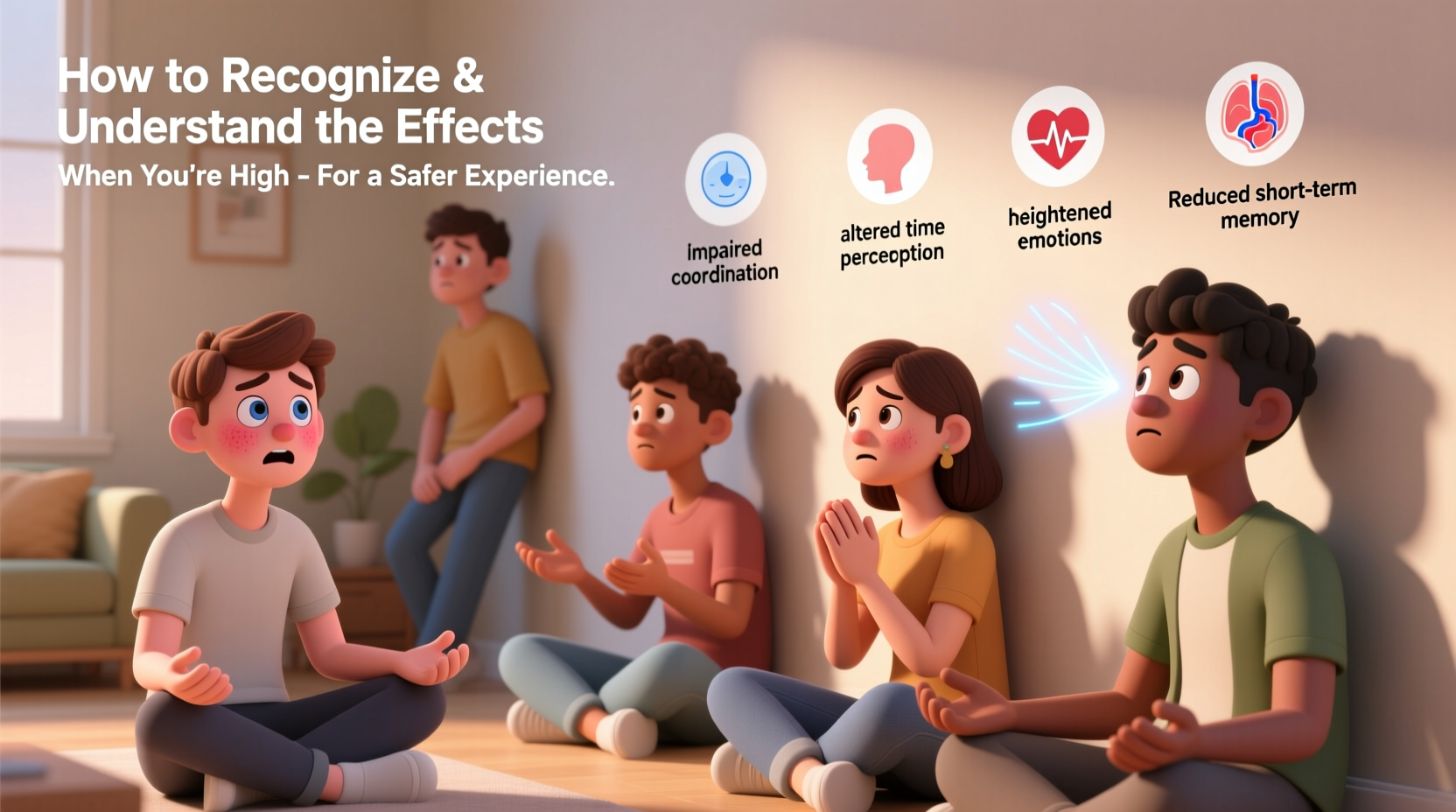
When THC (tetrahydrocannabinol), the primary psychoactive compound in cannabis, enters the bloodstream—whether through inhalation, ingestion, or sublingual absorption—it binds to cannabinoid receptors in the brain and central nervous system. These receptors are part of the endocannabinoid system, which regulates mood, memory, appetite, pain sensation, and sleep. As THC activates these pathways, it alters perception, cognition, and emotional regulation.
The onset and intensity of effects depend on several factors: method of consumption, dosage, individual metabolism, tolerance level, and even mental state prior to use. For example, edibles take longer to kick in—sometimes up to two hours—but their effects last longer and can be more intense than smoking or vaping.
Common Physical and Mental Effects of Being High
Effects vary significantly between individuals, but there are predictable patterns based on experience and dosage. Below is a breakdown of typical responses:
| Category | Mild/Moderate Effects | Intense/Overconsumption Effects |
|---|---|---|
| Physical | Dry mouth, red eyes, increased heart rate, slight dizziness, heightened sensory perception | Nausea, vomiting, rapid heartbeat, tremors, sweating, difficulty standing |
| Cognitive | Relaxed focus, mild time distortion, enhanced creativity | Confusion, racing thoughts, paranoia, disorientation |
| Emotional | Euphoria, laughter, calmness, introspection | Anxiety, panic, fear, emotional volatility |
It's important to note that while mild euphoria and relaxation are common, some users may experience acute anxiety or depersonalization, particularly if they consume too much or are in an unfamiliar environment. These reactions are not dangerous in themselves but can feel extremely distressing in the moment.
Step-by-Step Guide to Managing Your High Safely
If you begin to feel overly intoxicated, follow this practical timeline to regain comfort and control:
- Pause consumption immediately. Stop using any form of cannabis and avoid alcohol or other substances.
- Find a safe space. Sit or lie down in a quiet, familiar environment. Reduce external stimuli like loud music or bright lights.
- Breathe slowly and deeply. Inhale for four counts, hold for four, exhale for six. This calms the nervous system and reduces anxiety.
- Hydrate and eat something light. Sip water and have a small snack—bananas, crackers, or nuts can help stabilize blood sugar.
- Use grounding techniques. Name five things you can see, four you can touch, three you can hear, two you can smell, one you can taste.
- Wait it out. Most peak effects subside within 1–3 hours (longer with edibles). Remind yourself that the feeling will pass.
“Many people panic when they feel too high because they don’t understand what’s happening. Knowledge is the best antidote to fear.” — Dr. Lena Torres, Clinical Psychologist & Substance Use Educator
Mini Case Study: A First-Time Edible Experience
Jamal, 24, attended a friend’s gathering where he tried a cannabis-infused gummy. He had smoked occasionally before but never taken an edible. After one gummy, he felt nothing after 30 minutes and took another, thinking the first was “weak.” By the hour mark, he began feeling dizzy, his heart raced, and he became convinced everyone was watching him. He retreated to a bedroom, overwhelmed by paranoia.
His friend recognized the signs and helped him apply calming strategies: dimming the lights, playing soft music, offering water, and reminding him he was safe. Over the next two hours, Jamal’s symptoms gradually eased. Later, he reflected that not understanding delayed onset and proper dosing led to overconsumption—and that preparation could have prevented the scare.
Checklist: Signs You Might Be Too High
- Heart pounding or feeling short of breath
- Feeling detached from your body or surroundings
- Inability to form coherent thoughts or follow conversations
- Excessive sweating or shakiness
- Persistent nausea or dizziness
- Overwhelming anxiety or irrational fears
- Difficulty moving or coordinating actions
If multiple items on this list apply, it’s likely you’ve consumed more than your body and mind can comfortably handle. The key is not to panic but to respond with care and awareness.
Frequently Asked Questions
Can being too high cause long-term harm?
No, while an uncomfortable high can feel alarming, it does not cause lasting physical damage in healthy adults. However, repeated episodes of extreme anxiety or panic may affect mental well-being over time, especially in those predisposed to anxiety disorders. Responsible use minimizes such risks.
Are there natural ways to reduce the intensity of a high?
Yes. Black pepper contains caryophyllene, which may modulate THC effects—chewing a few peppercorns or smelling ground pepper can provide subtle relief. CBD (cannabidiol) also counteracts some of THC’s psychoactivity. Drinking lemon water or consuming honey may help soothe nerves, though evidence is anecdotal.
How do I know my personal limit?
Your limit depends on your tolerance, body chemistry, and mindset. Start with a low dose (e.g., 2.5–5 mg THC for edibles; one small puff if inhaling), wait fully for effects, and assess how you feel before continuing. Keep a journal noting strain, method, dose, and response to build self-awareness over time.
Building Confidence Through Awareness
Safety begins with education. The more familiar you are with how cannabis affects you personally, the better equipped you’ll be to enjoy it responsibly. This doesn’t mean avoiding highs altogether—it means cultivating mindfulness around your use. Set intentions before consuming: Are you seeking relaxation? Creative inspiration? Pain relief? Aligning your goals with your dosage helps prevent unintended outcomes.
Equally important is setting environmental boundaries. Use cannabis in safe, comfortable spaces with trusted people nearby, especially when trying new products. Avoid driving, operating machinery, or making important decisions while under the influence. Respect the substance’s power—not out of fear, but out of informed respect.
“The goal isn’t to eliminate risk entirely—that’s impossible with any psychoactive substance. It’s to reduce unnecessary risk through knowledge and preparation.” — Dr. Arjun Patel, Harm Reduction Advocate
Conclusion
Recognizing and understanding the effects of being high empowers you to navigate cannabis experiences with confidence and care. From identifying early signs of overconsumption to applying practical calming techniques, every step you take toward awareness enhances your safety and enjoyment. Whether you're new to cannabis or a regular user, staying informed and intentional makes all the difference.




 浙公网安备
33010002000092号
浙公网安备
33010002000092号 浙B2-20120091-4
Comments
No comments yet. Why don't you start the discussion?