
In today’s fashion landscape, designer-inspired jewelry offers an accessible way to enjoy high-end aesthetics without the luxury price tag. Among these, bracelets—especially those echoing styles from brands like Cartier, Tiffany & Co., or David Yurman—are particularly popular. However, not all pieces labeled “inspired by” are created equal. Some mimic design elements thoughtfully and ethically; others attempt to deceive. Knowing how to distinguish between well-crafted tributes and misleading knockoffs is essential for informed, confident shopping.
This guide equips you with the knowledge to evaluate designer-inspired bracelets based on materials, construction, branding, and market signals—so you can make purchases that align with your style, values, and budget.
Understand What “Designer Inspired” Really Means
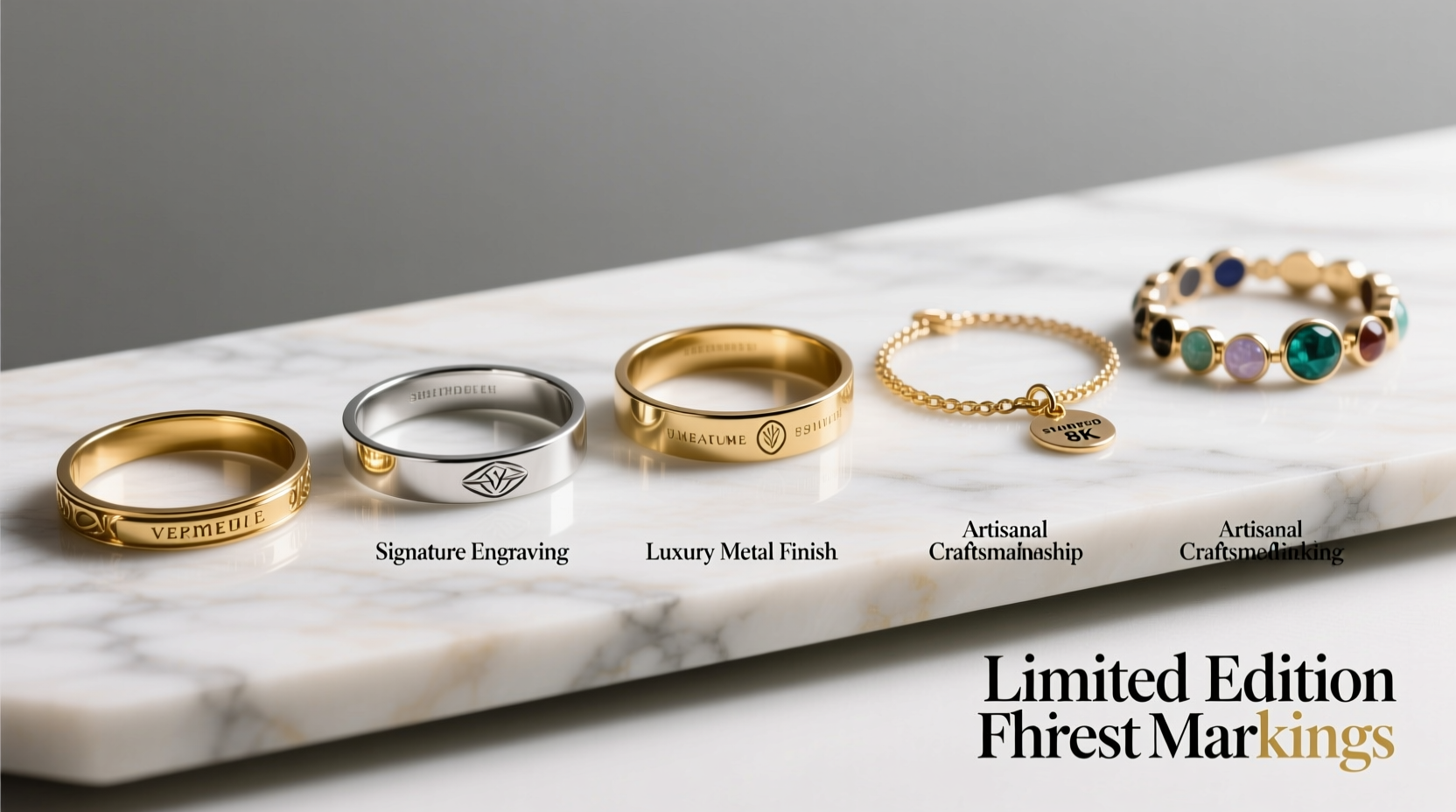
“Designer inspired” refers to jewelry that draws aesthetic influence from iconic luxury pieces but does not infringe on trademarks or copyrights. For example, a bracelet with interlocking circles may echo Cartier’s Love bracelet design but differs in proportions, engraving, or closure mechanism to remain legally distinct. True inspiration respects intellectual property while offering wearable artistry at a lower cost.
In contrast, counterfeit items replicate logos, hallmarks, and patented mechanisms exactly. These violate trademark laws and often use subpar materials. The line between homage and imitation can be thin, but it hinges on intent and execution.
“Design inspiration is part of fashion evolution—but ethical replication means changing enough so it’s clearly not the original.” — Lena Torres, Jewelry Historian & Curator at the Metropolitan Design Archive
Key Features to Evaluate in Designer-Inspired Bracelets
To assess whether a designer-inspired bracelet is worth your investment, examine the following elements closely:
1. Material Quality
Premium materials are a hallmark of thoughtful design. Even if not solid gold or platinum, high-quality pieces use durable alternatives such as:
- Sterling silver (.925)
- Hypoallergenic stainless steel
- Gold vermeil (thick gold plating over sterling silver)
- Cubic zirconia or lab-grown stones instead of glass imitations
Avoid items marketed as “gold-plated” without specifying thickness. Thin plating wears off quickly, exposing base metal.
2. Craftsmanship and Finish
Inspect edges, joints, and surfaces under natural light. Signs of precision include:
- Smooth, even polish with no visible filing marks
- Secure stone settings that don’t wobble
- Consistent symmetry in repeating patterns
- No rough soldering or glue residue
3. Clasp Mechanism and Security
Luxury bracelets often feature secure, engineered closures like hidden box clasps, screw mechanisms, or magnetic locks with safety chains. Inspired designs should mirror this functionality—not just appearance. A flimsy lobster clasp on a piece mimicking a high-security lock undermines both safety and authenticity of design intent.
4. Branding and Markings
Check for discreet but clear maker’s marks. Reputable sellers of inspired pieces often stamp their own brand logo (e.g., “ALEX & CO.”) rather than copying luxury insignias. Absence of any marking—or presence of fake hallmarks like “925” paired with “CART” or “TIFF”—is a red flag.
Comparison Table: Genuine vs. Inspired vs. Counterfeit
| Feature | Genuine Designer | Well-Crafted Inspired Piece | Counterfeit/Deceptive Copy |
|---|---|---|---|
| Price Range | $2,000–$20,000+ | $80–$400 | $30–$120 (claims “authentic”) |
| Materials | 18k gold, platinum, certified diamonds | Sterling silver, gold vermeil, CZ stones | Brass, cheap plating, glass stones |
| Logo Use | Official brand engravings | No luxury logos; own brand mark | Fake engraved logos (e.g., “T&C”) |
| Clasp Type | Proprietary locking systems | High-quality box or magnetic clasp | Weak lobster clasp or broken mechanism |
| Weight | Substantial, balanced feel | Moderate heft (due to metal quality) | Lightweight, hollow sensation |
Step-by-Step Guide: How to Shop Smart for Designer-Inspired Bracelets
- Define Your Reference Design: Identify which luxury bracelet inspires you (e.g., David Yurman cable bracelet). Research its key features—materials, dimensions, signature details.
- Set a Realistic Budget: Decide how much you’re willing to spend. Quality inspired pieces typically range from $100–$500.
- Research Sellers: Stick to established retailers, Etsy shops with strong reviews, or boutique jewelers specializing in fashion-forward accessories.
- Examine Product Photos Closely: Look for macro shots showing texture, engravings, and clasp function. Avoid listings with only stock images.
- Read Descriptions Thoroughly: Legitimate sellers specify materials (e.g., “sterling silver with 3-micron 14k gold overlay”), not vague terms like “luxury finish.”
- Ask Questions: Contact the seller about return policies, material sourcing, and whether the design is trademark-compliant.
- Verify Upon Arrival: Weigh the piece, test the clasp, inspect under magnification. Return if quality doesn’t match claims.
Real Example: Spotting a Misleading Listing
Sophie, a regular shopper on a major online marketplace, found a “Cartier-style love bracelet” priced at $65, advertised as “real gold” and “laser-engraved.” The photos showed a shiny pink band with screws on the side—a direct visual nod to the iconic Cartier Love bracelet. Excited by the deal, she purchased it.
When it arrived, the bracelet felt feather-light. Closer inspection revealed a stamped “925” alongside a tiny “C” etching—likely an attempt to imply Cartier affiliation. The gold plating peeled near the clasp within days. Sophie returned the item but realized later that the seller had used design cues and ambiguous language to mislead buyers into thinking they were getting something closer to the real thing.
Her takeaway? “If it looks too much like the original and costs less than 5% of retail, it’s probably crossing the line.”
Checklist: Is This Designer-Inspired Bracelet Worth Buying?
- ✅ Materials are clearly listed (e.g., .925 silver, gold vermeil)
- ✅ No unauthorized use of luxury brand names or logos
- ✅ Weight feels substantial for its size
- ✅ Clasp operates smoothly and securely
- ✅ Seller provides customer service and return options
- ✅ Reviews mention durability and accurate description
- ✅ Price reflects fair value—not suspiciously low
Frequently Asked Questions
Is buying designer-inspired jewelry legal?
Yes, as long as the piece does not copy protected trademarks, logos, or patented mechanisms. Inspiration based on general style or shape is permitted under U.S. and international design law.
Can I wear a designer-inspired bracelet every day?
It depends on the materials. Sterling silver and stainless steel are durable for daily wear, but gold-vermeil pieces may require rotation to preserve plating. Always remove during swimming, cleaning, or exercise.
How do I care for my designer-inspired bracelet?
Clean gently with a soft polishing cloth. Store separately to avoid scratches. Avoid exposure to perfumes, lotions, and chlorine. For deeper cleaning, use mild soap and water, then dry thoroughly.
Final Thoughts: Confidence Through Knowledge
Recognizing a well-made, ethically produced designer-inspired bracelet isn’t about chasing status—it’s about appreciating design, valuing craftsmanship, and making intentional choices. When you understand what to look for, you gain more than just a beautiful accessory; you gain the confidence to shop wisely in a crowded market.




 浙公网安备
33010002000092号
浙公网安备
33010002000092号 浙B2-20120091-4
Comments
No comments yet. Why don't you start the discussion?