
Tubal ligation—commonly known as “getting your tubes tied”—is one of the most effective forms of permanent birth control, with a success rate exceeding 99%. However, no method is 100% foolproof. While rare, pregnancies can still occur after tubal ligation, and they carry significant health risks, particularly the danger of ectopic pregnancy. Recognizing the early signs is crucial for timely medical intervention. This guide provides clear, evidence-based information on what symptoms to watch for, how to interpret them, and when to take action.
Understanding Pregnancy After Tubal Ligation
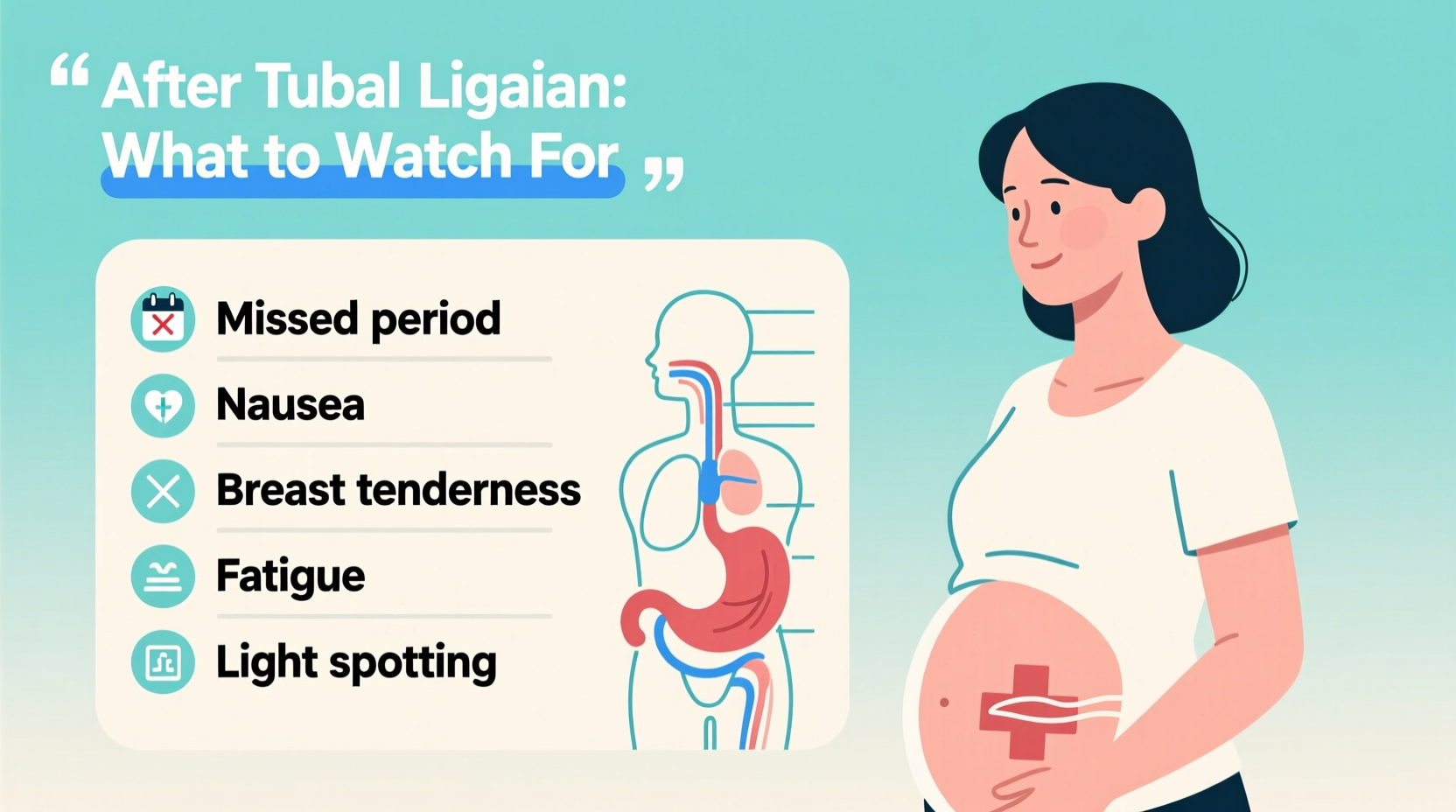
Tubal ligation works by blocking or sealing the fallopian tubes, preventing eggs from traveling from the ovaries to the uterus and stopping sperm from reaching the egg. Despite its high effectiveness, approximately 1 in 200 women may become pregnant after the procedure. These pregnancies are more likely to be ectopic—meaning the fertilized egg implants outside the uterus, usually in a fallopian tube—posing serious health risks.
The likelihood of post-tubal ligation pregnancy increases slightly if the procedure was performed at a younger age, particularly under 30. The body’s natural healing process can sometimes cause the tubes to rejoin—a phenomenon called recanalization—allowing for the possibility of conception.
“Even after tubal ligation, women should remain aware of potential pregnancy symptoms. A missed period or unusual abdominal pain could signal something serious.” — Dr. Lena Patel, OB-GYN Specialist
Common Early Pregnancy Symptoms to Watch For
Many early pregnancy symptoms after tubal ligation mirror those experienced in typical pregnancies. Because these signs can be subtle or mistaken for PMS or hormonal fluctuations, awareness is key.
- Missed period: One of the most obvious indicators. However, some women experience irregular cycles after tubal ligation due to hormonal shifts, so a missed period alone isn’t definitive.
- Nausea or vomiting: Often referred to as “morning sickness,” this can begin as early as two weeks after conception.
- Breast tenderness: Hormonal changes may cause swelling, soreness, or sensitivity in the breasts.
- Fatigue: Elevated progesterone levels can lead to unexpected tiredness, even with adequate rest.
- Implantation bleeding: Light spotting around 6–12 days after conception may occur, often mistaken for a light period.
- Frequent urination: Increased blood flow to the pelvic area and pressure from a growing embryo can trigger more frequent bathroom trips.
- Food aversions or cravings: Sudden changes in taste or appetite can signal hormonal shifts associated with pregnancy.
Distinguishing Between Normal Changes and Warning Signs
After tubal ligation, some women report changes in their menstrual cycle or hormone levels due to surgical stress or altered blood flow. But certain symptoms require immediate attention because they may indicate an ectopic pregnancy.
| Symptom | May Be Normal | Requires Medical Attention |
|---|---|---|
| Mild cramping | Yes – common post-surgery or during ovulation | No – if severe or one-sided |
| Light bleeding | Yes – occasional spotting | No – heavy or persistent bleeding |
| Abdominal pain | No | Yes – especially sharp, localized pain in lower abdomen |
| Dizziness or shoulder pain | No | Yes – possible sign of internal bleeding |
| Nausea without fever | Yes – early pregnancy symptom | No – if accompanied by fainting or sharp pain |
Ectopic pregnancies cannot progress normally and are life-threatening if not treated promptly. If you experience sudden, severe pelvic pain, dizziness, or shoulder tip pain (caused by internal bleeding irritating the diaphragm), seek emergency care immediately.
Step-by-Step: What to Do If You Suspect Pregnancy
If you notice symptoms that suggest pregnancy after tubal ligation, follow this timeline to ensure your safety:
- Take a home pregnancy test: Wait until at least one week after a missed period. Use first-morning urine for the highest hCG concentration.
- Repeat the test: If the first test is negative but symptoms persist, retest in 3–5 days. hCG levels double every 48 hours in early pregnancy.
- Contact your healthcare provider: Any positive result requires medical confirmation via blood test and ultrasound.
- Get an ultrasound: This determines whether the pregnancy is intrauterine or ectopic. Transvaginal ultrasound is most accurate in early stages.
- Follow treatment guidance: Ectopic pregnancies cannot be carried to term and require medication (like methotrexate) or surgery to prevent rupture.
Real-Life Scenario: When Symptoms Were Ignored
Sarah, a 32-year-old woman, had a tubal ligation five years earlier. She noticed a missed period and mild nausea but dismissed them, assuming her hormones were just fluctuating. Two weeks later, she developed sharp pain on her right side and felt lightheaded. At the ER, doctors diagnosed a ruptured ectopic pregnancy. She required emergency surgery and spent several days in recovery. Her case underscores the importance of not ignoring early signs—even when pregnancy seems impossible.
Had Sarah taken a pregnancy test earlier and sought care at the first sign of abnormal pain, the outcome might have been less severe. Her story is a reminder that vigilance saves lives.
Pregnancy Testing and Accuracy After Tubal Ligation
Home pregnancy tests detect human chorionic gonadotropin (hCG), a hormone produced after implantation. These tests are just as accurate after tubal ligation as they are in other cases—provided they’re used correctly.
However, false negatives can occur if testing too early. False positives are rare but can result from certain medications, recent miscarriage, or medical conditions like molar pregnancy. Blood tests ordered by a doctor measure exact hCG levels and are more reliable for confirming pregnancy and monitoring progression.
Frequently Asked Questions
Can I get pregnant naturally years after tubal ligation?
Yes, though it’s rare. Recanalization—the spontaneous rejoining of the fallopian tubes—can occur months or even years after surgery, especially if the procedure was done at a young age.
What are the chances of an ectopic pregnancy after tubal ligation?
About one-third of pregnancies that occur after tubal ligation are ectopic. This is significantly higher than in the general population, making prompt diagnosis essential.
Is a positive pregnancy test always wrong after tubal ligation?
No. While many assume a positive test must be a mistake, it can be accurate. Any positive result should be medically evaluated, regardless of sterilization history.
Checklist: Actions to Take If You Suspect Pregnancy
- ✔️ Note any changes in your menstrual cycle
- ✔️ Monitor for classic early pregnancy symptoms
- ✔️ Take a home pregnancy test one week after a missed period
- ✔️ Retest if symptoms persist and the first result was negative
- ✔️ Call your doctor immediately after a positive test
- ✔️ Schedule a blood test and ultrasound
- ✔️ Seek emergency care for severe abdominal pain, dizziness, or fainting
Conclusion
Tubal ligation is a highly effective form of contraception, but it does not eliminate pregnancy risk entirely. Being informed about the symptoms—and knowing how to respond—can make all the difference in protecting your health. Early detection of pregnancy, especially ectopic pregnancy, can prevent life-threatening complications. Never dismiss unusual symptoms simply because you believe you can’t get pregnant. Your body sends signals for a reason. Listen to it, act quickly, and consult your healthcare provider without delay.




 浙公网安备
33010002000092号
浙公网安备
33010002000092号 浙B2-20120091-4
Comments
No comments yet. Why don't you start the discussion?