
Heart disease remains the leading cause of death globally, yet many cases progress silently until a major event like a heart attack or stroke occurs. The key to prevention lies in awareness—not just of risk factors, but of subtle, often overlooked symptoms that signal trouble ahead. Recognizing these early warning signs can mean the difference between life and death. Understanding your body’s signals, knowing when to seek help, and taking proactive steps can dramatically improve outcomes.
Understanding Silent Progression of Heart Disease
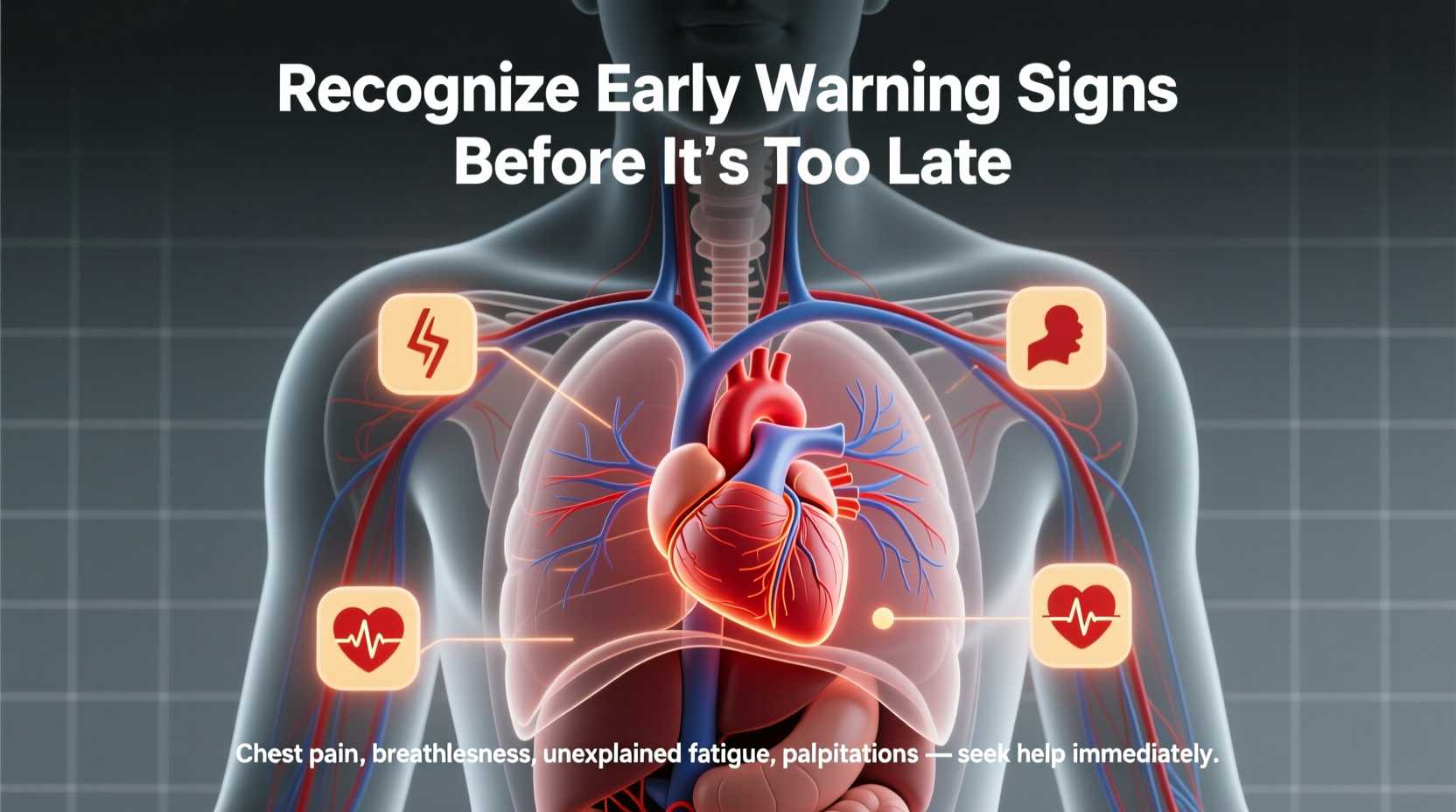
Cardiovascular conditions such as coronary artery disease, arrhythmias, and heart failure typically develop over years. Plaque builds up in arteries, reducing blood flow without causing noticeable pain. This process, known as atherosclerosis, can go undetected until it triggers a serious event. Many people assume heart problems begin with sudden chest pain, but in reality, the body often sends quieter messages long before an emergency arises.
According to the American Heart Association, nearly half of all adults in the U.S. have some form of cardiovascular disease, yet a significant number are unaware of their condition. Early detection through symptom recognition and regular screening is essential for timely intervention.
“Many patients come in after a cardiac event wishing they’d paid more attention to fatigue, shortness of breath, or unusual discomfort. These aren’t just signs of aging—they could be red flags.” — Dr. Linda Chen, Cardiologist at Massachusetts General Hospital
Common Early Warning Signs You Shouldn’t Ignore
While chest pain is widely recognized, several less dramatic symptoms are frequently dismissed. These include:
- Unexplained fatigue: Persistent tiredness, especially in women, may indicate reduced heart efficiency.
- Shortness of breath during routine activities: Difficulty catching your breath while walking or climbing stairs can reflect fluid buildup or poor circulation.
- Swelling in legs, ankles, or feet: Known as edema, this suggests the heart isn’t pumping effectively.
- Irregular heartbeat (palpitations): Feeling fluttering, pounding, or skipped beats may point to arrhythmia.
- Dizziness or lightheadedness: Reduced blood flow to the brain can cause balance issues or near-fainting episodes.
- Pain in the neck, jaw, back, or arms: Especially on the left side, this discomfort may radiate from cardiac stress.
- Sleep disturbances: Waking up gasping or needing to sleep propped up can signal heart failure.
Risk Factors That Increase Your Vulnerability
Some people are at higher risk due to genetics, lifestyle, or pre-existing conditions. Being aware of these factors allows for earlier vigilance:
| Risk Factor | Description | Actionable Step |
|---|---|---|
| High Blood Pressure | Increases strain on the heart and arteries; often symptomless. | Monitor BP regularly; aim for under 120/80 mmHg. |
| High Cholesterol | Contributes to plaque buildup in arteries. | Get lipid panel tests every 4–6 years (or more often if at risk). |
| Diabetes | Doubles the risk of heart disease. | Maintain HbA1c below 7% with diet, exercise, and medication. |
| Smoking | Damages blood vessels and reduces oxygen delivery. | Seek cessation programs; avoid secondhand smoke. |
| Family History | Genetic predisposition to early heart disease. | Inform your doctor; consider earlier screenings. |
Step-by-Step Guide to Monitoring Your Heart Health
Proactive monitoring helps detect changes before they become emergencies. Follow this timeline to stay ahead:
- Know your numbers (Yearly): Check blood pressure, cholesterol, blood sugar, and BMI annually—or more frequently if you have risk factors.
- Track symptoms (Ongoing): Keep a journal of unusual fatigue, palpitations, or breathing changes. Note frequency, duration, and triggers.
- Schedule a heart health screening (Every 5 years, starting at age 35–40): Includes ECG, stress test, or echocardiogram if recommended.
- Respond immediately to warning signs: If you experience chest discomfort, sudden shortness of breath, or fainting, call emergency services within minutes.
- Adopt preventive habits (Daily): Exercise 150 minutes weekly, eat a heart-healthy diet, manage stress, and avoid tobacco.
Real-Life Example: When Subtle Signs Added Up
Sarah, a 52-year-old teacher, began noticing she was unusually tired after grading papers—something she used to do effortlessly. She also found herself waking up at night needing to sit up to breathe. At first, she blamed it on stress and poor sleep. Over three months, her ankles started swelling by evening, and she felt occasional tightness in her chest when walking uphill.
After her sister urged her to see a doctor, Sarah underwent an echocardiogram that revealed moderate heart failure due to undiagnosed hypertension. With medication, dietary changes, and a structured exercise plan, she stabilized her condition and avoided hospitalization. “I thought I was just getting older,” she said. “Now I know my body was trying to tell me something.”
Checklist: What to Do If You Suspect a Heart Issue
- ✅ Assess whether symptoms occur during exertion or rest.
- ✅ Record symptom duration and intensity.
- ✅ Check if symptoms improve with rest.
- ✅ Review family history of heart disease.
- ✅ Schedule an appointment with your primary care provider or cardiologist.
- ✅ Request relevant tests: ECG, blood work (including troponin), echocardiogram, or stress test.
- ✅ Never ignore new or worsening symptoms—even if they seem minor.
Frequently Asked Questions
Can heart problems occur without chest pain?
Yes. Especially in women, diabetics, and older adults, heart conditions often present without classic chest pain. Symptoms like fatigue, nausea, indigestion, or jaw pain may be the only indicators.
How soon should I seek help for heart-related symptoms?
If symptoms are new, severe, or worsening—especially shortness of breath, dizziness, or chest pressure—seek medical attention immediately. Delaying increases the risk of permanent damage.
Are young people at risk for heart conditions?
While risk increases with age, younger individuals with genetic conditions (like familial hypercholesterolemia), obesity, smoking habits, or substance use can develop heart disease early. Awareness and screening are critical regardless of age.
Conclusion: Take Charge Before It’s Too Late
Your heart doesn’t always shout—it often whispers. Dismissing persistent fatigue, breathlessness, or irregular rhythms as normal stress or aging can have irreversible consequences. The good news is that early detection leads to effective treatment. By paying attention to your body, understanding your risks, and acting promptly, you can prevent a crisis before it strikes.




 浙公网安备
33010002000092号
浙公网安备
33010002000092号 浙B2-20120091-4
Comments
No comments yet. Why don't you start the discussion?