
Cannabis use remains one of the most common forms of recreational drug consumption worldwide. While many users consume responsibly, there are situations where recognizing impairment is essential—whether for safety, supervision, or concern for a loved one. Understanding the signs that someone is under the influence of marijuana involves observing both physical symptoms and behavioral changes. This guide outlines the most reliable indicators, explains why they occur, and offers practical advice for responding appropriately.
Physical Signs of Being Stoned
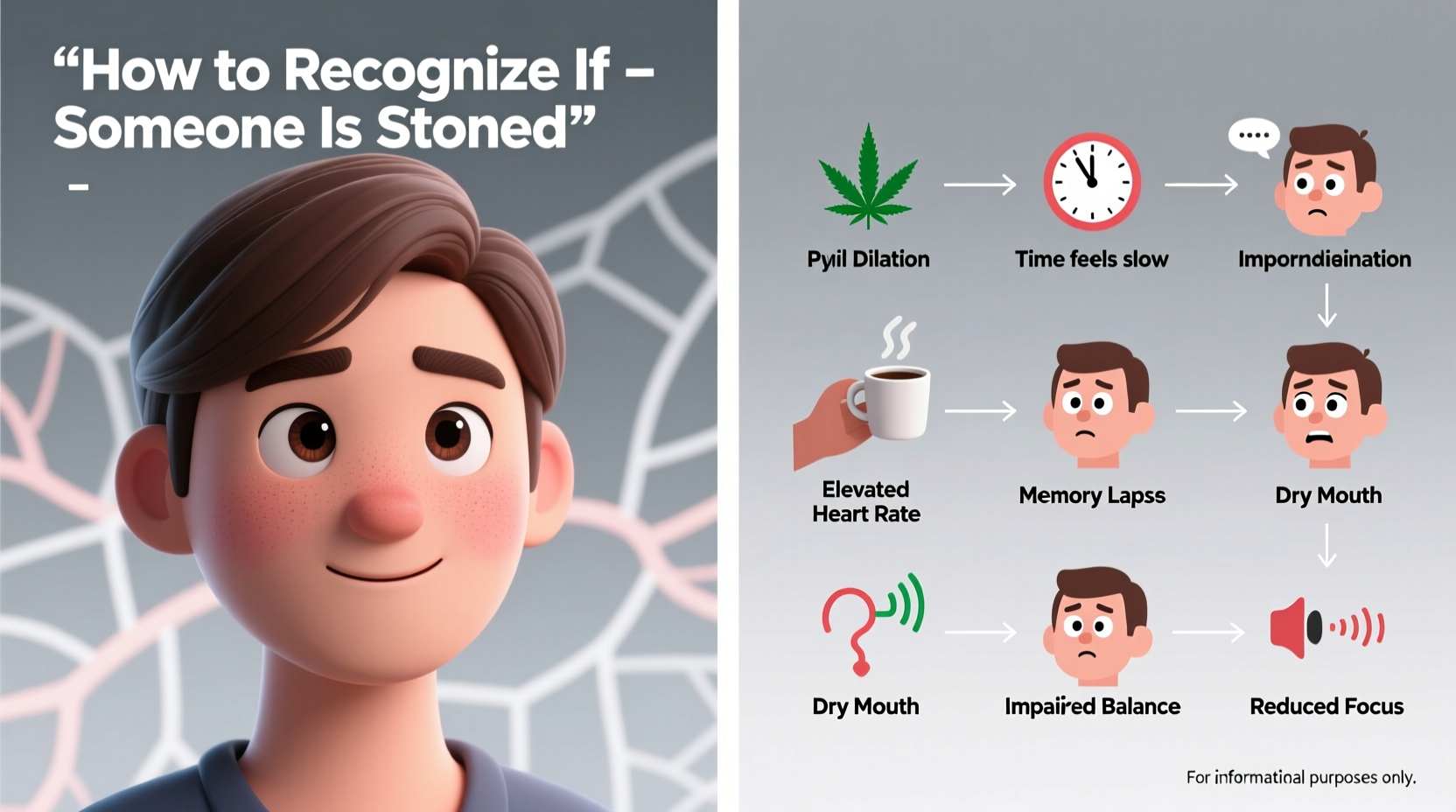
The effects of THC—the primary psychoactive compound in cannabis—manifest quickly in the body, especially when smoked or vaped. These physical symptoms often appear within minutes and can last several hours depending on dosage and method of consumption.
- Red or bloodshot eyes: One of the most visible signs. THC causes a temporary drop in blood pressure, leading to dilated blood vessels in the eyes.
- Dilated pupils: Though less consistent than red eyes, some users exhibit noticeably enlarged pupils, particularly in low light.
- Dry mouth and throat: Often referred to as “cottonmouth,” this occurs due to cannabinoids interfering with saliva production.
- Increased heart rate: Heart rates may rise by 20–50 beats per minute shortly after use, which can be concerning for individuals with cardiac conditions.
- Lack of coordination: Users may stumble slightly, fumble with objects, or appear unsteady when walking due to impaired motor control.
Behavioral and Cognitive Changes
Beyond physical cues, behavioral shifts often provide clearer evidence of intoxication. These changes stem from THC’s impact on brain regions responsible for memory, judgment, and emotional regulation.
Common behavioral indicators include:
- Euphoria or sudden laughter: Unprovoked giggling or exaggerated responses to mundane stimuli are frequent, especially in social settings.
- Impaired short-term memory: The person may repeat questions, forget what they were saying mid-sentence, or struggle to follow conversations.
- Slowed speech and thought process: Responses become drawn out, pauses lengthen, and coherence may falter.
- Altered perception of time: Users often report that minutes feel like hours, which can affect punctuality and task completion.
- Increased appetite: Commonly known as “the munchies,” sudden cravings for food—even shortly after eating—are typical.
“THC disrupts normal neurotransmitter function, particularly dopamine and glutamate, which directly affects attention, motivation, and decision-making.” — Dr. Lena Torres, Neuropharmacologist at Pacific Institute of Behavioral Health
Do’s and Don’ts When Responding to a Stoned Individual
Recognizing impairment is only the first step. How you respond matters greatly, especially if the person is distressed, overly anxious, or in an unsafe environment.
| Do’s | Don’ts |
|---|---|
| Stay calm and speak in a reassuring tone | Yell, mock, or escalate tension |
| Ensure they’re in a safe space, away from traffic or heights | Leave them alone if highly disoriented |
| Offer water to help with dry mouth | Give caffeine or energy drinks (can worsen anxiety) |
| Encourage slow breathing if they feel paranoid | Encourage further substance use to “balance” effects |
| Wait it out—most effects subside in 2–4 hours | Try to “sober them up” with cold showers or exercise |
Mini Case Study: Recognizing Intoxication in a College Setting
Jamal, a resident advisor at a university dorm, noticed two students laughing uncontrollably in the hallway late one Friday night. One had extremely red eyes and kept asking, “Wait, what were we talking about?” They smelled faintly of incense but also something earthy. Jamal recalled training on substance awareness and recognized the combination of symptoms: memory lapses, euphoria, and physical tells. He approached calmly, asked if they were okay, and offered water. When one student admitted feeling “super high and kind of dizzy,” Jamal escorted them to their room, ensured they weren’t left alone, and checked back after 30 minutes. His non-confrontational approach prevented escalation and ensured their safety.
This scenario illustrates how combining observation with empathy leads to better outcomes than confrontation or punishment.
Timeline of Cannabis Effects Based on Consumption Method
The onset and duration of stoned symptoms vary significantly depending on how cannabis is used. Knowing this timeline helps distinguish acute intoxication from other conditions.
- Smoking/Vaping (Onset: 5–10 mins): Fastest effect. Peak impairment occurs within 30 minutes. Most physical and cognitive signs appear rapidly.
- Edibles (Onset: 30–90 mins): Delayed but longer-lasting. Symptoms may be more intense and harder to predict, increasing risk of overconsumption.
- Tinctures/Sublingual (Onset: 15–30 mins): Moderate onset time. Effects are usually more controlled than edibles.
- Topicals (No psychoactive effect): Do not cause intoxication, so no behavioral or cognitive changes occur.
For example, someone who suddenly becomes confused an hour after eating a brownie may not realize they’re experiencing delayed THC absorption—a common reason for emergency visits.
Checklist: How to Assess If Someone Is Stoned
Use this practical checklist when you suspect cannabis use. Not all signs need to be present, but multiple indicators increase confidence in assessment.
- ✔️ Red or glassy eyes
- ✔️ Noticeable odor of cannabis (skunky, herbal, or sweet)
- ✔️ Slurred or slow speech
- ✔️ Difficulty focusing or following conversation
- ✔️ Sudden mood shifts (e.g., euphoria, anxiety, or paranoia)
- ✔️ Poor motor coordination (dropping items, stumbling)
- ✔️ Increased appetite or searching for snacks
- ✔️ Time distortion (e.g., “I just sat down five minutes ago!” when it was 30)
- ✔️ Elevated heart rate (if measurable)
- ✔️ Use of slang terms like “high,” “baked,” “lit,” or “munchies”
Frequently Asked Questions
Can someone be high without showing obvious signs?
Yes. Experienced users may mask symptoms effectively, especially in low-dose scenarios. Some strains produce minimal physical effects while still altering cognition subtly. In these cases, closer attention to speech patterns and reaction times is necessary.
Is it possible to confuse being stoned with fatigue or illness?
Occasionally. Fatigue can mimic slow speech or lack of focus, but red eyes, euphoria, and sudden hunger are less likely with tiredness alone. A strong cannabis odor or admission of use clarifies ambiguity.
How long do the effects of marijuana typically last?
When smoked or vaped, noticeable effects last 2–4 hours. Edibles can extend impairment to 6–8 hours, sometimes longer with high doses. Residual cognitive dullness may linger beyond the peak experience.
Conclusion: Awareness Leads to Safer Outcomes
Recognizing the signs that someone is stoned isn’t about judgment—it’s about responsibility. Whether you’re a parent, educator, employer, or friend, understanding the physical and behavioral markers empowers you to respond with care rather than conflict. Early recognition can prevent accidents, reduce anxiety during intense highs, and open doors to honest conversations about substance use.




 浙公网安备
33010002000092号
浙公网安备
33010002000092号 浙B2-20120091-4
Comments
No comments yet. Why don't you start the discussion?