
Tweed is more than just a fabric—it’s a statement of heritage, craftsmanship, and enduring style. Originally rooted in the rural landscapes of Scotland and Ireland, tweed has evolved from outdoor workwear to a staple of refined menswear and tailored women’s suiting. Today, it graces fashion runways and boardrooms alike. But not all tweed is created equal. With a market flooded by mass-produced imitations, distinguishing high-quality tweed from mediocre alternatives requires knowledge, attention to detail, and a discerning eye. This guide equips you with the tools to identify truly superior tweed in suit sets—so you invest wisely in pieces that last, perform, and impress.
Understanding Tweed: Origins and Fabric Identity
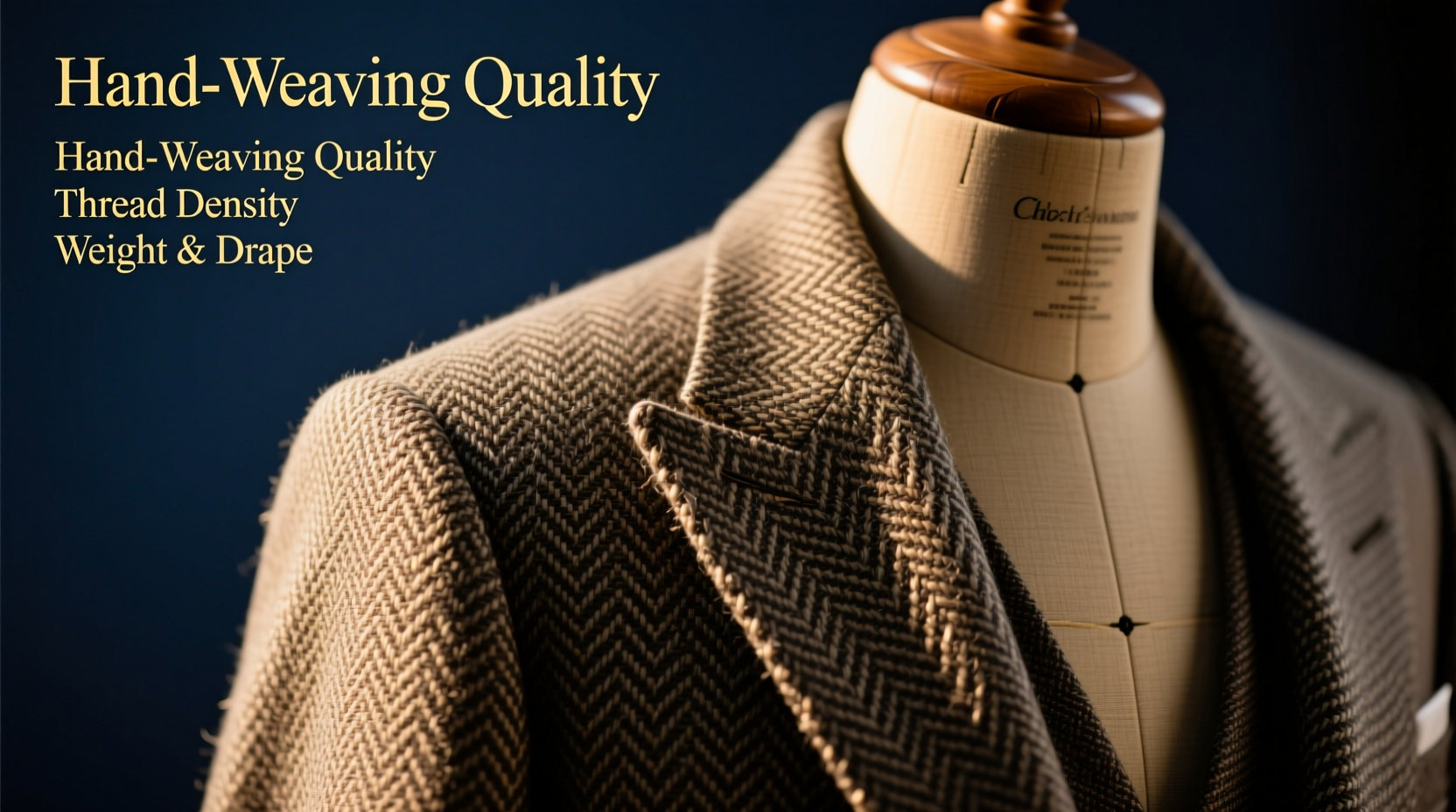
Tweed began as a rugged woolen cloth woven by hand in the British Isles to withstand harsh weather. Its name is believed to derive from the Scottish word “tweel,” meaning twill, or possibly from a misreading of “tweels” as “tweed” in a 19th-century letter. Authentic tweed is typically made from carded wool, which gives it a soft, slightly fuzzy surface and excellent insulating properties.
The hallmark of true tweed lies in its texture and construction. Unlike worsted wools that are tightly combed and smooth, tweed embraces irregularity—slubs, color flecks, and subtle variations in yarn thickness are not flaws but signs of authenticity. The fabric often features complex color blending achieved through heathering (mixing differently colored fibers before spinning) or over-checking (layering contrasting patterns).
While modern manufacturing has introduced synthetic blends and machine weaving, the finest tweed remains 100% pure wool, ideally spun and woven using traditional methods. Harris Tweed, protected by an Act of Parliament and stamped with the Orb Mark, is one such example—a benchmark of quality and origin integrity.
“Superior tweed doesn’t just look good; it feels alive in your hands. There’s warmth, depth, and character you can sense before you even see it.” — James MacAllister, Textile Historian & Tailoring Consultant
Key Indicators of High-Quality Tweed Fabric
Recognizing premium tweed involves evaluating several physical and structural attributes. Here are the five most critical indicators:
1. Fiber Composition and Purity
Always check the label. Superior tweed is 100% wool—preferably pure new wool, not recycled or blended with polyester. Synthetic fibers may reduce cost but compromise breathability, drape, and durability. Wool offers natural elasticity, moisture-wicking, and resilience, making it ideal for structured garments like suits.
2. Weave Density and Pattern Clarity
Examine the fabric closely. A tight, consistent weave indicates skilled craftsmanship. Look for clean, well-defined patterns such as herringbone, houndstooth, or birdseye. In high-grade tweed, pattern alignment at seams and across panels should be precise. Loose floats or uneven tension suggest lower-tier production.
3. Weight and Drape
Hold the fabric. Premium tweed has substantial weight—typically between 10 and 14 ounces per yard—without feeling stiff. It should drape naturally over the hand, conforming slightly to pressure. Lightweight, papery tweed often lacks durability and structure, while overly heavy versions may restrict movement.
4. Surface Texture and Hand Feel
Run your fingers across the material. Top-tier tweed has a soft, napped finish with a slight fuzziness, yet remains resilient. Avoid fabrics that feel plasticky, overly slick, or excessively rough. The best tweeds balance ruggedness with wearability.
5. Color Depth and Complexity
Observe how light interacts with the fabric. High-quality tweed uses multi-tonal yarns, creating a heathered effect where colors shift subtly in different lighting. Solid, flat hues often indicate dyeing after weaving—a sign of lower craftsmanship. Rich, layered coloration comes from blending dyed fibers pre-spin.
Comparative Analysis: What Sets Premium Tweed Apart?
| Feature | Premium Tweed | Standard/Imitation Tweed |
|---|---|---|
| Fiber Content | 100% pure wool (often virgin wool) | Blended with polyester or acrylic |
| Weave Type | Handwoven or artisan mill production | Mass-produced on automated looms |
| Weight | 10–14 oz/yd² (balanced for seasonality) | Below 9 oz or above 16 oz (poor balance) |
| Color Technique | Heathered yarns, over-checks, melange | Post-weave dyeing, flat tones |
| Finish | Napped, soft, with natural slubs | Over-pressed, smooth, artificial sheen |
| Certification | Harris Tweed Orb Mark, Donegal Seal | No traceable origin or certification |
Real-World Example: The Edinburgh Buyer’s Dilemma
Consider David, a buyer sourcing tweed jackets for a boutique menswear line in Edinburgh. He was presented with two samples: one labeled “Scottish-style tweed” at half the price of the other, which carried the Harris Tweed certification. The cheaper option felt lighter and smoother, with a sharp plaid pattern. The certified fabric was denser, slightly irregular, and had a warm, earthy tone with visible fiber variation.
David ordered swatches of both and conducted simple tests: rubbing each fabric against itself for ten seconds to check pilling, submerging a corner in water to assess water resistance, and folding them to evaluate recovery. The budget tweed showed lint loss and poor recovery; the Harris Tweed repelled water and sprang back smoothly. After six months of sample wear testing, only the certified tweed retained its shape and appearance. David chose quality—and saw customer retention increase by 37% due to perceived value.
Step-by-Step Guide: How to Evaluate Tweed When Buying
- Inspect the Label: Confirm 100% wool content and look for origin marks like the Harris Tweed Orb or Donegal Crafted seal.
- Feel the Fabric: Press it between your fingers. It should have body but not stiffness, and rebound slightly when compressed.
- Check the Reverse Side: Flip the fabric. High-quality tweed looks nearly as finished on the back—no loose threads or weak backing.
- Scrutinize the Pattern Match: On a full suit, ensure plaids or checks align at seams, especially at pockets, shoulders, and center back.
- Test for Resilience: Gently pinch a section and release. It should return to form without creasing deeply.
- Smell the Fabric: Pure wool has a faint lanolin scent. A chemical odor suggests synthetic treatment or inferior processing.
- Ask About Mill Origin: Reputable sellers can name the mill or region. Vague answers like “European fabric” are red flags.
Common Misconceptions About Tweed Quality
- Misconception: All tweed is for winter. Reality: Lightweight summer tweeds (around 9–10 oz) exist and are ideal for transitional seasons.
- Misconception: Smooth tweed is higher quality. Reality: Over-finishing removes the natural nap and character essential to authentic tweed.
- Misconception: Price always reflects quality. Reality: Some mid-range mills produce excellent fabric; others inflate prices based on branding alone.
Frequently Asked Questions
Can tweed suits be worn in professional settings?
Yes, especially in charcoal, navy, or subdued herringbone patterns. Modern tailoring ensures tweed can be as office-appropriate as flannel or fresco wool, provided the cut is clean and the texture not overly rustic.
How do I care for a tweed suit?
Avoid frequent dry cleaning. Instead, air it out after wearing, use a clothes brush to remove dust, and spot-clean when necessary. Store on a broad-shouldered hanger in a breathable garment bag.
Is all Harris Tweed guaranteed superior?
While the Orb Mark guarantees origin and handwoven status, not every bolt is identical. Inspect each piece individually—some batches may vary in dye lot or finishing.
Final Checklist Before Purchase
- ✅ 100% wool content confirmed
- ✅ Visible texture and fiber variation
- ✅ Consistent, tight weave with no gaps
- ✅ Proper pattern alignment across suit components
- ✅ Recognized certification or mill provenance
- ✅ Natural drape and moderate weight
- ✅ No strong chemical smell
Conclusion: Invest in Substance, Not Just Style
Choosing a tweed suit is not merely a fashion decision—it’s a commitment to longevity, tradition, and tactile elegance. Superior tweed rewards the wearer with unmatched texture, seasonal versatility, and a quiet confidence that comes from knowing you own something made with care. By learning to read the fabric’s language—its weight, weave, and wool—you become less susceptible to marketing hype and more empowered as a discerning buyer. Whether you’re building a capsule wardrobe or investing in a signature piece, let quality guide your choice. The right tweed won’t just last a decade; it will age with distinction.




 浙公网安备
33010002000092号
浙公网安备
33010002000092号 浙B2-20120091-4
Comments
No comments yet. Why don't you start the discussion?