
Dogs have a natural defense mechanism built into their anatomy: anal glands, also known as scent glands. These small sacs, located on either side of the anus, produce a pungent fluid used for marking territory and communication. While dogs typically express these glands naturally during bowel movements, some may struggle due to anatomical, dietary, or lifestyle factors. When glands remain full, they can become impacted, infected, or even rupture—leading to pain and costly veterinary treatment. Recognizing the early signs and knowing the appropriate response is essential for maintaining your dog’s well-being.
Understanding Anal Glands in Dogs
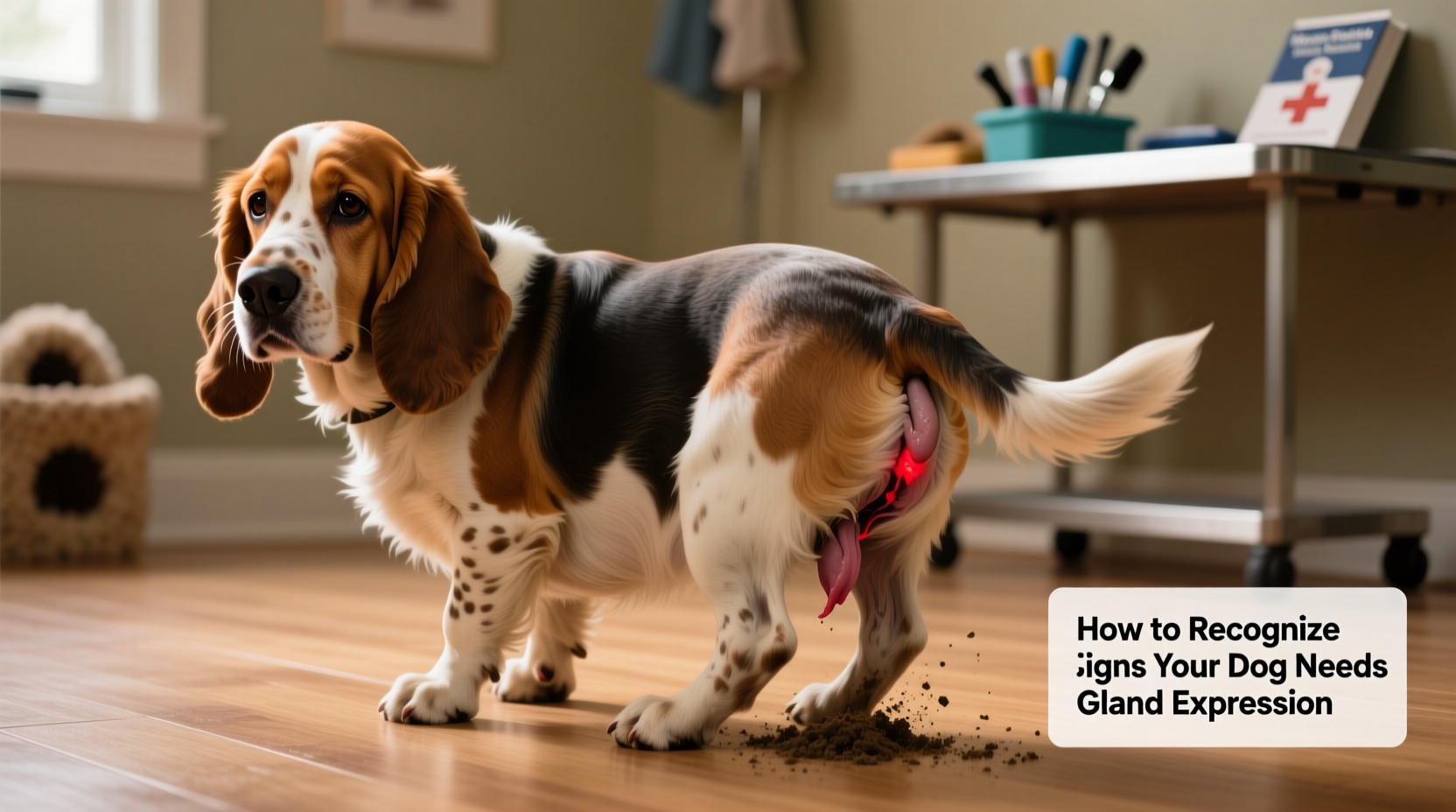
Anal glands are two small pouches embedded within the muscular wall of the rectum at approximately the 4 o’clock and 8 o’clock positions. Each gland secretes a thick, oily substance with a strong odor unique to the individual dog. In wild canines, this secretion helps mark territory and signal identity. Domestic dogs still carry this biological function, but modern diets—often softer than those of wild counterparts—can reduce the natural compression needed to empty the glands during defecation.
When functioning properly, the pressure from passing stool forces the fluid out through small ducts near the anus. However, if the stool is too soft, or if the dog has narrow ducts or weak muscle tone, the glands may not fully express. Over time, the fluid builds up, thickens, and becomes a breeding ground for bacteria. This progression leads to discomfort and potential complications.
“Regular monitoring of your dog’s rear-end behavior can prevent minor issues from escalating into serious infections.” — Dr. Laura Simmons, DVM, Small Animal Specialist
Common Signs Your Dog Needs Gland Expression
Because dogs cannot verbally communicate discomfort in their hindquarters, owners must rely on behavioral and physical cues. Early detection makes intervention easier and less painful for your pet. Watch for the following symptoms:
- Scooting: Dragging the rear across the floor is one of the most recognizable signs. Dogs do this to relieve pressure or irritation around the anus.
- Licking or biting the area: Excessive grooming of the base of the tail or around the anus often indicates discomfort.
- Visible swelling: A bulge near the anus may suggest an inflamed or abscessed gland.
- Foul odor: A persistent fishy or rancid smell, especially noticeable indoors, usually comes from leaking gland fluid.
- Difficulty defecating: Hesitation, straining, or crying during bowel movements may point to blocked glands.
- Blood or pus discharge: This signals infection or rupture and requires immediate veterinary attention.
What to Do If You Notice Symptoms
Once you observe one or more warning signs, act promptly. The course of action depends on severity and your dog’s history with gland issues.
- Assess urgency: Scooting or mild odor may not require emergency care, but swelling, pain, or discharge does.
- Contact your veterinarian: Describe the symptoms and schedule an appointment. Some clinics offer express expression services without a full exam if your dog has a known history.
- Avoid DIY expression unless trained: Improper technique can cause trauma, infection, or incomplete emptying.
- Follow post-care instructions: If infection is present, your vet may prescribe antibiotics or anti-inflammatory medication.
In cases of recurrent impaction, your vet might recommend regular professional expression every 4–8 weeks. For chronic issues unresponsive to management, surgical removal (anal sacculectomy) may be discussed, though it carries risks such as fecal incontinence and is reserved for severe cases.
Prevention Strategies and Long-Term Management
While some dogs—especially small breeds like Chihuahuas, Pomeranians, and Beagles—are genetically predisposed to gland problems, proactive care can reduce frequency and severity.
| Strategy | How It Helps | Recommended Frequency |
|---|---|---|
| High-fiber diet | Promotes firm stools that naturally compress glands | Daily |
| Pumpkin supplementation | Adds soluble fiber; aids digestion and stool consistency | 1–2 tsp per meal (small dogs) |
| Regular exercise | Supports healthy digestion and muscle tone | Daily walks or play sessions |
| Weight management | Reduces fat deposits that can obstruct gland ducts | Ongoing monitoring |
| Professional expression | Prevents buildup in prone dogs | Every 4–12 weeks, as advised |
Mini Case Study: Managing Chronic Gland Issues in a Miniature Schnauzer
Milo, a 5-year-old Miniature Schnauzer, began scooting on carpet three months ago. His owner initially dismissed it as an itch, but the behavior worsened. After a veterinary visit, Milo was diagnosed with bilateral impaction and mild infection. The vet expressed the glands, prescribed a short course of antibiotics, and recommended a high-fiber diet. Milo’s owner added 1 tablespoon of canned pumpkin daily and switched to a kibble formulated for digestive health. Within six weeks, scooting ceased. Now, Milo receives professional expression every six weeks and remains symptom-free. This case highlights how combining medical treatment with dietary changes can successfully manage recurring issues.
When to Seek Immediate Veterinary Care
Not all gland problems resolve with routine expression. Certain red flags demand urgent attention:
- Swollen, red, or warm tissue around the anus
- Pus or blood discharge
- Open sores or ruptured skin near the rectum
- Whimpering when sitting or walking
- Loss of appetite or lethargy
These symptoms may indicate an abscess—an encapsulated pocket of infection that can burst through the skin. Left untreated, abscesses can lead to systemic infection or require surgical drainage under anesthesia. Early intervention prevents unnecessary suffering and reduces treatment costs.
Expert Insight on Prevention
“Many gland issues stem from poor stool quality. We see fewer problems in dogs fed balanced, species-appropriate diets with adequate fiber. Owners should treat anal gland health as part of overall digestive wellness.” — Dr. Raj Patel, Veterinary Nutritionist
FAQ
Can I express my dog’s glands at home?
While possible, it’s not recommended unless you’ve been trained by a veterinarian or groomer. Incorrect technique can damage tissue, leave glands partially full, or introduce bacteria. If you choose to do it, wear gloves, use lubricant, and follow proper hygiene. Internal expression (via rectal finger) is more thorough but riskier than external squeezing.
How often should anal glands be expressed?
There’s no universal rule. Some dogs never need it; others require it every few weeks. Let your dog’s symptoms guide you. Routine expression without cause isn’t necessary and may irritate the glands. Work with your vet to establish a personalized schedule based on your dog’s anatomy and history.
Are certain breeds more prone to gland problems?
Yes. Small and toy breeds—including Toy Poodles, Shih Tzus, and Cocker Spaniels—are overrepresented in clinical cases. However, any dog can develop issues, especially those with chronic diarrhea, obesity, or allergies affecting skin and gland health.
Conclusion: Take Action for Your Dog’s Comfort
Anal gland problems are common but manageable with vigilance and proper care. By learning to recognize the signs—scooting, licking, odor, or swelling—you can intervene before minor discomfort turns into a medical emergency. Combine timely veterinary visits with supportive measures like high-fiber nutrition and weight control to keep your dog feeling their best. Don’t ignore subtle behaviors; your dog is communicating a need. Addressing it early preserves their health, avoids pain, and strengthens the bond between you.




 浙公网安备
33010002000092号
浙公网安备
33010002000092号 浙B2-20120091-4
Comments
No comments yet. Why don't you start the discussion?