
Cats are naturally fastidious groomers, spending up to 50% of their waking hours licking their fur, cleaning their paws, and maintaining their coat. Grooming is a sign of good health and emotional regulation. However, when this behavior crosses into over-grooming, it can signal underlying physical or psychological issues. Recognizing the difference between normal and excessive grooming is essential for every cat owner who wants to ensure their pet’s well-being.
Excessive grooming isn’t just a cosmetic issue—it can lead to hair loss, skin infections, and chronic discomfort. The key lies in observing subtle shifts in your cat’s routine, understanding potential triggers, and knowing when to seek professional help.
Understanding Normal vs. Excessive Grooming
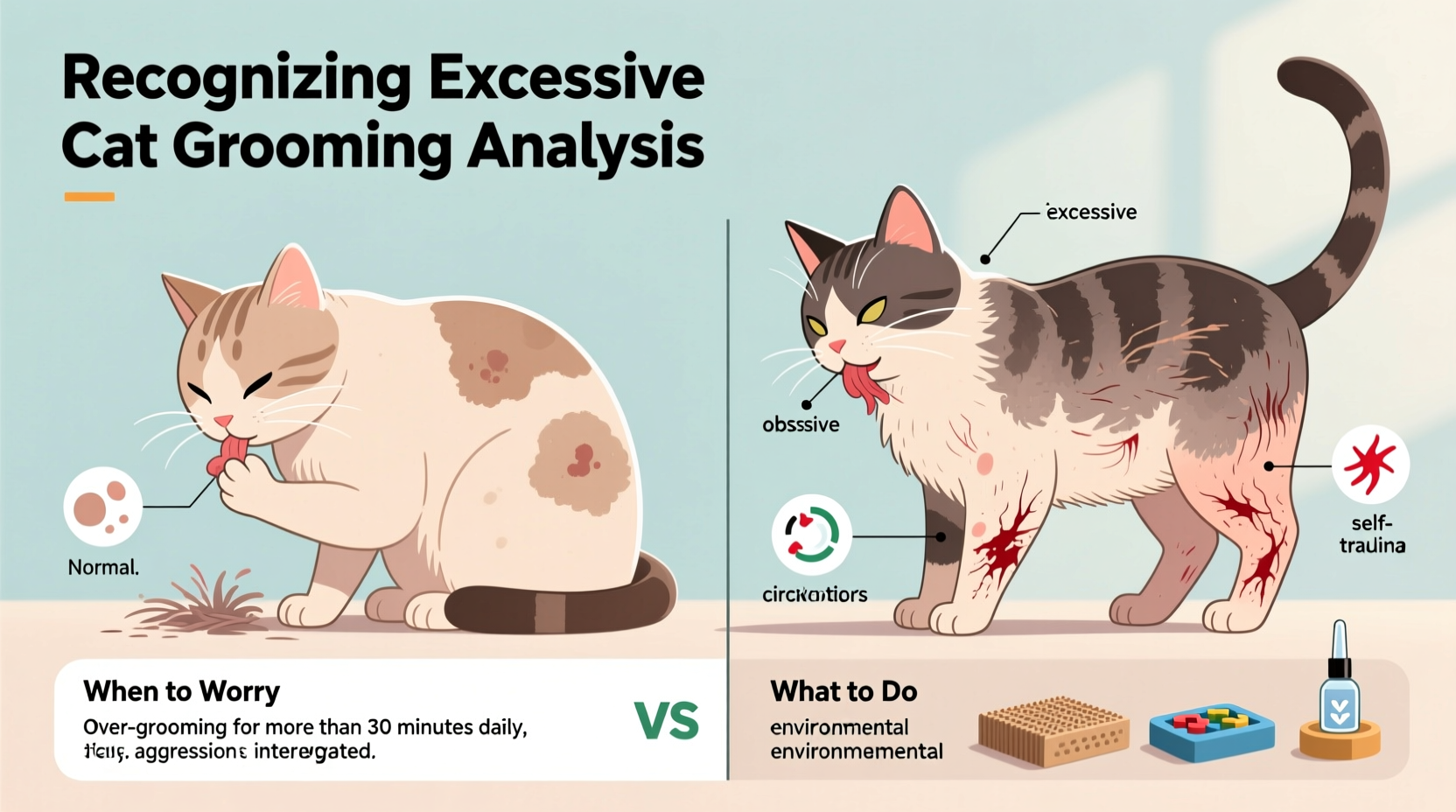
Normal grooming is methodical, brief, and evenly distributed across the body. Cats typically groom after meals, upon waking, or after being touched by humans. It serves multiple purposes: regulating body temperature, removing debris, stimulating circulation, and reducing stress.
Excessive grooming, also known as psychogenic alopecia or overgrooming, occurs when a cat spends an abnormal amount of time licking, biting, or chewing specific areas—often leading to bald patches, redness, sores, or even self-inflicted wounds. This behavior may persist despite interruptions or environmental changes.
Common Signs of Over-Grooming
Recognizing excessive grooming early can prevent secondary complications. Watch for these red flags:
- Bald patches, especially along the belly, inner thighs, or forelegs
- Skin irritation, including redness, scabs, or raw areas
- Constant licking or chewing that doesn’t stop during interaction or feeding
- Obsessive focus on one body part
- Changes in behavior, such as increased hiding, aggression, or anxiety
- Hairballs becoming more frequent due to excessive ingestion of fur
In some cases, the damage may not be visible at first glance. Part the fur with your fingers to inspect the skin underneath. Early detection allows for quicker intervention and better outcomes.
Potential Causes of Excessive Grooming
Over-grooming rarely happens without cause. It can stem from medical conditions, environmental stressors, or behavioral disorders. Identifying the root is crucial to effective treatment.
| Cause Type | Examples | Indicators |
|---|---|---|
| Medical | Allergies (food, flea, environmental), skin infections, parasites, pain (e.g., arthritis) | Itching, scratching, odor, visible fleas, limping |
| Psychological | Anxiety, boredom, changes in routine, new pets or people | Behavioral changes, avoidance, vocalization |
| Environmental | Dirty litter box, loud noises, lack of stimulation | Timing linked to specific events or locations |
“Over-grooming is often a symptom, not the disease itself. A thorough veterinary workup is essential to rule out medical causes before assuming it’s behavioral.” — Dr. Lena Patel, Feline Behavior Specialist
Step-by-Step Guide to Addressing Excessive Grooming
If you suspect your cat is over-grooming, follow this structured approach to identify and resolve the issue:
- Document the behavior: Note when, where, and how long the grooming occurs. Record videos if possible.
- Schedule a vet visit: Rule out medical issues with a full examination, skin scrapings, allergy tests, or blood work.
- Treat any diagnosed condition: Use prescribed medications, flea treatments, or dietary changes as directed.
- Assess the environment: Identify stressors like recent moves, new family members, or conflicts with other pets.
- Enrich the environment: Introduce puzzle feeders, climbing shelves, interactive toys, and daily play sessions.
- Establish routines: Cats thrive on predictability. Feed, play, and interact at consistent times each day.
- Consider behavioral support: In persistent cases, consult a veterinary behaviorist. Anti-anxiety medications or pheromone diffusers (like Feliway) may be recommended.
Mini Case Study: Bella the Siamese
Bella, a 4-year-old Siamese cat, began losing fur on her abdomen and legs. Her owner initially assumed it was shedding, but the bald patches worsened over two months. After a vet visit, flea allergy dermatitis was ruled out, and no infection was found. Further observation revealed Bella groomed most frequently after her owner left for work.
A behavioral assessment suggested separation anxiety. The owner implemented a routine of pre-departure play sessions, left a radio on for background noise, and used a Feliway diffuser. Within six weeks, Bella’s grooming decreased significantly, and her coat began to regrow. This case highlights how emotional distress can manifest physically—and how targeted environmental adjustments can yield real results.
Checklist: What to Do When You Notice Over-Grooming
- ☐ Observe and document grooming patterns
- ☐ Check for fleas, ticks, or skin lesions
- ☐ Schedule a veterinary exam
- ☐ Review recent changes in household dynamics
- ☐ Increase mental and physical stimulation
- ☐ Reduce stressors where possible
- ☐ Follow up with your vet if no improvement in 2–3 weeks
Frequently Asked Questions
Is it normal for my cat to groom after I pet them?
Yes. Many cats groom after human contact to remove foreign scents and restore their natural odor. This is usually brief and stops within a few minutes. If it escalates into prolonged licking or biting, monitor for signs of over-grooming.
Can diet affect my cat’s grooming habits?
Indirectly, yes. Poor nutrition can lead to dry, flaky skin or dull fur, which may prompt increased grooming. Omega-3 fatty acid supplements, under veterinary guidance, can improve skin and coat health and reduce irritation-driven licking.
Should I use a cone or collar to stop my cat from grooming?
Only as a last resort and under veterinary supervision. Elizabethan collars prevent access to affected areas but don’t address the underlying cause. They can also increase stress, potentially worsening the problem. Focus on diagnosis and treatment instead.
Conclusion: Taking Action for Your Cat’s Well-Being
Excessive grooming is more than a quirky habit—it’s a potential cry for help. By learning to distinguish normal feline behavior from compulsive actions, you become a more attentive and effective caregiver. Early recognition, combined with a proactive approach involving both medical and environmental strategies, can restore your cat’s comfort and confidence.
Your cat relies on you to interpret their silent signals. If you’ve noticed unusual grooming patterns, don’t wait. Start observing closely, consult your veterinarian, and make thoughtful changes at home. Small steps today can prevent long-term suffering and strengthen your bond with your feline companion.




 浙公网安备
33010002000092号
浙公网安备
33010002000092号 浙B2-20120091-4
Comments
No comments yet. Why don't you start the discussion?