
Every holiday season, millions of homes across North America light up with strings of festive Christmas lights. But when those lights stop working—whether from frayed wires, burnt-out bulbs, or tangled circuits—many people face the same question: what should I do with them? Throwing them in the trash may seem like the easiest option, but it’s far from the best. Broken Christmas lights contain copper, plastic, and sometimes even small amounts of lead, all of which can leach into landfills and harm the environment if not handled properly.
Recycling broken Christmas lights is not only possible—it's a responsible step toward reducing electronic waste and conserving valuable materials. With the right knowledge, you can ensure your old lights are processed safely, reused effectively, and kept out of landfills. This guide walks you through every aspect of responsible recycling: from identifying recyclable components to finding local drop-off points and understanding seasonal collection programs.
Why Recycling Christmas Lights Matters
Christmas lights fall under the category of electronic waste, or e-waste, due to their metal wiring and electrical components. While they may seem small, collectively, discarded holiday lights contribute significantly to environmental strain. According to the Environmental Protection Agency (EPA), over 4 million tons of e-waste were generated in the U.S. in 2022 alone, yet less than 25% was recycled.
The copper wire inside most Christmas light strands is especially valuable. Extracting new copper from ore requires extensive mining, energy, and water use. By recycling old lights, we reduce the need for raw resource extraction and lower greenhouse gas emissions. In fact, recycling one ton of copper saves up to 100 million BTUs of energy—equivalent to powering an average home for nearly two months.
Beyond copper, the plastic insulation on wires and the glass or LED bulbs also have recycling potential. However, improper disposal leads these materials to sit in landfills for decades, potentially releasing toxins as they degrade.
“Holiday lighting may sparkle for a few weeks, but its environmental impact lasts much longer. Responsible recycling turns seasonal waste into sustainable resources.” — Dr. Laura Simmons, Sustainable Materials Researcher at GreenTech Institute
Step-by-Step Guide to Preparing Lights for Recycling
Before you drop off your broken Christmas lights, a little preparation ensures smoother processing and higher recycling efficiency. Follow this timeline to get your lights ready:
- Unplug and inspect: Make sure all strands are disconnected from power sources. Check for obvious damage like exposed wires, melted plugs, or cracked sockets.
- Remove non-recyclable attachments: Take off any decorative elements such as fabric sleeves, tinsel covers, or molded plastic figures. These items can contaminate recycling batches.
- Separate by type: Group traditional incandescent lights separately from LED strands. Some recyclers process them differently due to variations in materials and construction.
- Cut or coil neatly: While some facilities accept tangled lights, cutting them into 12–18 inch sections makes sorting easier. Avoid extremely short pieces that could be lost during handling.
- Store in breathable bags: Use paper or mesh bags instead of sealed plastic. This prevents moisture buildup and makes inspection easier at drop-off centers.
- Gather other holiday electronics: If you're already recycling lights, consider including timers, extension cords, or broken animatronic decorations—many facilities accept these together.
Where to Drop Off Recycled Christmas Lights
Unlike standard curbside recycling, Christmas lights require specialized handling. Fortunately, several nationwide and regional options make drop-off convenient.
Major Retail Collection Programs
Several large retailers run annual holiday light recycling drives, typically from early January through mid-February. These programs often partner with certified e-waste recyclers to ensure safe processing.
- Home Depot: Offers seasonal drop-off bins at select locations. Availability varies by region; check your local store’s website before visiting.
- Lowe’s: Participates in community e-waste events and occasionally hosts dedicated light recycling weekends.
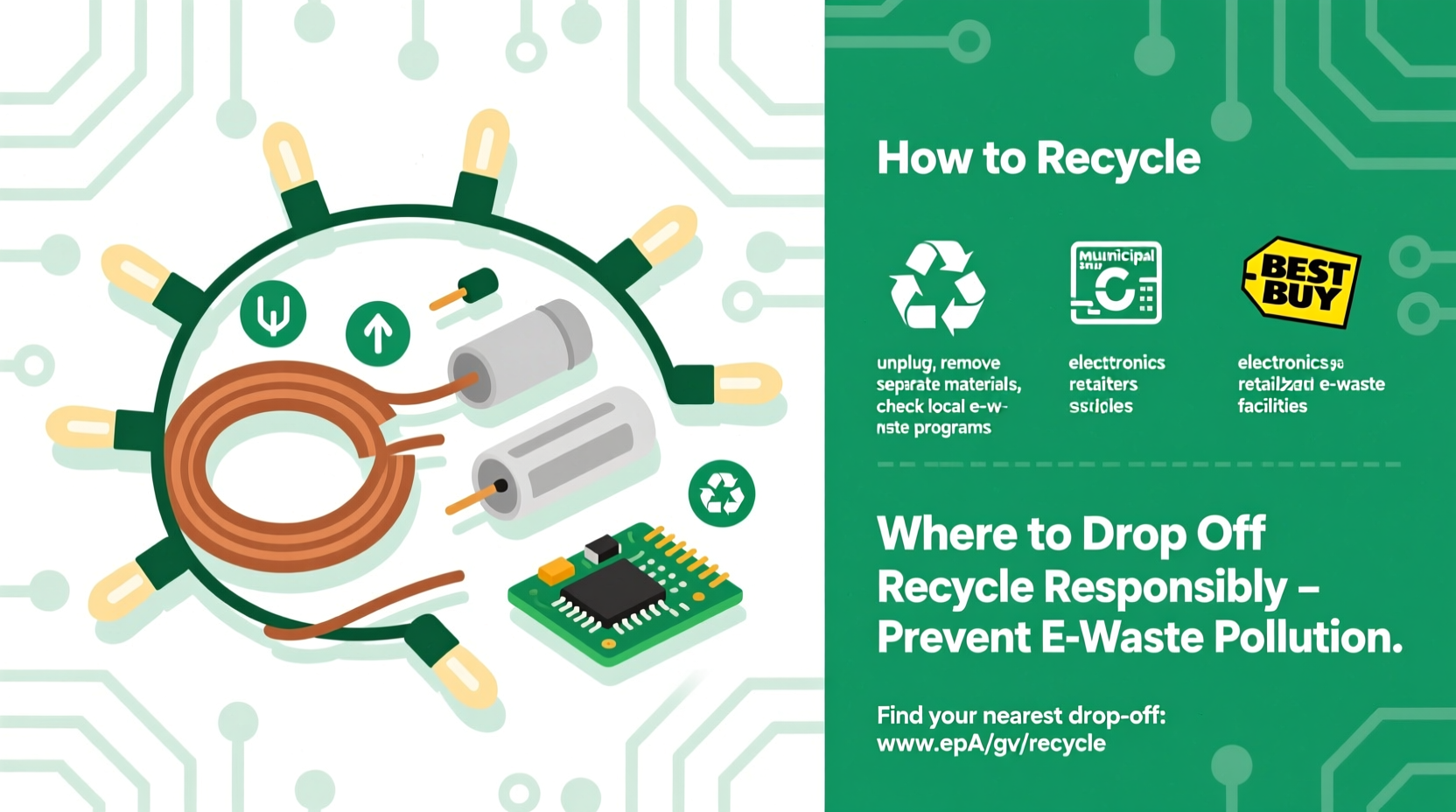
- Best Buy: Accepts Christmas lights year-round at their e-waste kiosks, along with other small electronics.
Municipal and Community Options
Many cities include holiday light recycling in their seasonal e-waste collection schedules. Common formats include:
- Curbside pickup during designated \"e-waste weeks\"
- Dedicated drop-off days at public works facilities
- Partnerships with schools or nonprofits for fundraising-linked recycling
To find municipal programs near you, visit your city or county waste management website and search for “holiday light recycling” or “e-waste drop-off.”
Mail-In Recycling Services
If local drop-offs aren’t available, mail-in services offer a reliable alternative. Companies like GreenCitizen and Wastebits provide prepaid shipping labels and guaranteed recycling certification.
| Service | Cost | Processing Time | Notes |
|---|---|---|---|
| GreenCitizen Holiday Light Recycling | $12 per 10 lbs | 2–3 weeks | Certified R2/RIOS compliant; carbon-neutral shipping |
| Earth911 Partner Network | Free (varies) | 1–2 weeks | Connects users to local recyclers via zip code lookup |
| Scrap Monster Recycling | $8 flat rate | 3–4 weeks | Pays small rebate based on copper weight |
When using mail-in services, pack lights securely in a cardboard box to prevent punctures. Avoid using envelopes or flimsy packaging that could tear during transit.
Mini Case Study: A Town That Lit Up Its Recycling Efforts
In 2021, the town of Ashland, Oregon launched “Lights Out, Planet In,” a month-long holiday light recycling initiative. Partnering with the local high school’s environmental club, the city set up three drop-off stations at libraries and community centers. Residents brought in over 1,800 pounds of old lights—enough copper to manufacture more than 400 feet of new electrical wiring.
What made the program successful? Clear communication through utility bills, social media, and school newsletters helped spread awareness. Additionally, participants received a $5 gift card to a local hardware store for every pound donated, funded by a small municipal sustainability grant.
The collected lights were sent to a regional e-waste facility in Portland, where automated shredders separated copper from plastic insulation. The recovered copper was sold to manufacturers, generating $620 in revenue—reinvested into next year’s program.
Ashland’s model proves that community-led efforts, even on a small scale, can create tangible environmental and economic benefits. Other towns have since adopted similar campaigns, inspired by its measurable success.
Checklist: Your Responsible Recycling Action Plan
Use this checklist to ensure you’re recycling your broken Christmas lights correctly and efficiently:
- ☐ Unplug and separate working lights from broken ones
- ☐ Remove non-electrical decorations (tinsel, figurines, etc.)
- ☐ Sort by type: incandescent vs. LED
- ☐ Cut or coil strands for easier handling
- ☐ Store in labeled, breathable containers
- ☐ Research local drop-off sites or mail-in options by January 15
- ☐ Confirm hours and acceptance policies before visiting
- ☐ Consider organizing a neighborhood collection drive
- ☐ Replace old strands with ENERGY STAR-certified LEDs next season
Frequently Asked Questions
Can I recycle Christmas lights with tape or glue residue?
Yes, minor adhesive residue won’t disqualify your lights from recycling. However, large patches of duct tape or hot glue blobs should be removed if possible, as they can interfere with shredding equipment.
Are LED Christmas lights recyclable?
Yes, LED lights are recyclable and often contain even more reusable materials than incandescent versions. Their circuit boards and semiconductor components require specialized processing, so always use certified e-waste recyclers.
What happens if I throw Christmas lights in the regular trash?
They will likely end up in a landfill, where metals like copper won’t break down and may leach contaminants over time. Some municipalities classify lights as hazardous waste, meaning improper disposal could violate local regulations.
Expert Tips for Long-Term Holiday Lighting Sustainability
While recycling is essential, extending the life of your lights reduces waste at the source. Modern LED strands can last 50,000 hours or more—over 10 holiday seasons—with proper care.
- Invest in commercial-grade lights: Look for UL-listed, weather-resistant models designed for durability.
- Use timers and surge protectors: Prevent overheating and voltage spikes that shorten bulb life.
- Store carefully: Wrap lights around cardboard reels or use specialized storage reels to prevent tangling and wire stress.
- Test annually: Before decorating, plug in each strand to catch failing sections early.
“Prevention beats recycling every time. A single well-maintained LED string can eliminate the need for five disposable sets over a decade.” — Mark Tran, E-Waste Reduction Coordinator, Seattle Public Utilities
Conclusion: Turn Holiday Waste into Year-Round Responsibility
Recycling broken Christmas lights isn’t just about cleaning out storage boxes after the holidays—it’s a meaningful act of environmental stewardship. With accessible drop-off locations, growing mail-in options, and proven community models, there’s never been a better time to dispose of old lights responsibly.
By taking a few deliberate steps each January, you help conserve finite resources, reduce pollution, and support a circular economy. Whether you participate individually or rally neighbors to join a local effort, your actions contribute to a broader shift in how we manage seasonal waste.




 浙公网安备
33010002000092号
浙公网安备
33010002000092号 浙B2-20120091-4
Comments
No comments yet. Why don't you start the discussion?