
Brain fog—characterized by difficulty concentrating, memory lapses, and a persistent sense of mental fatigue—is not a medical condition but a symptom of deeper lifestyle imbalances. Among the most common culprits are chronic sleep deprivation and excessive screen exposure. In our hyperconnected world, many people spend long hours in front of digital devices while sacrificing quality rest. The result is a cycle of mental sluggishness that undermines productivity, mood, and overall well-being. The good news is that this fog is reversible. By addressing the root causes through targeted behavioral changes, it’s possible to restore sharp cognitive function and sustain mental clarity throughout the day.
The Science Behind Sleep, Screens, and Cognitive Decline
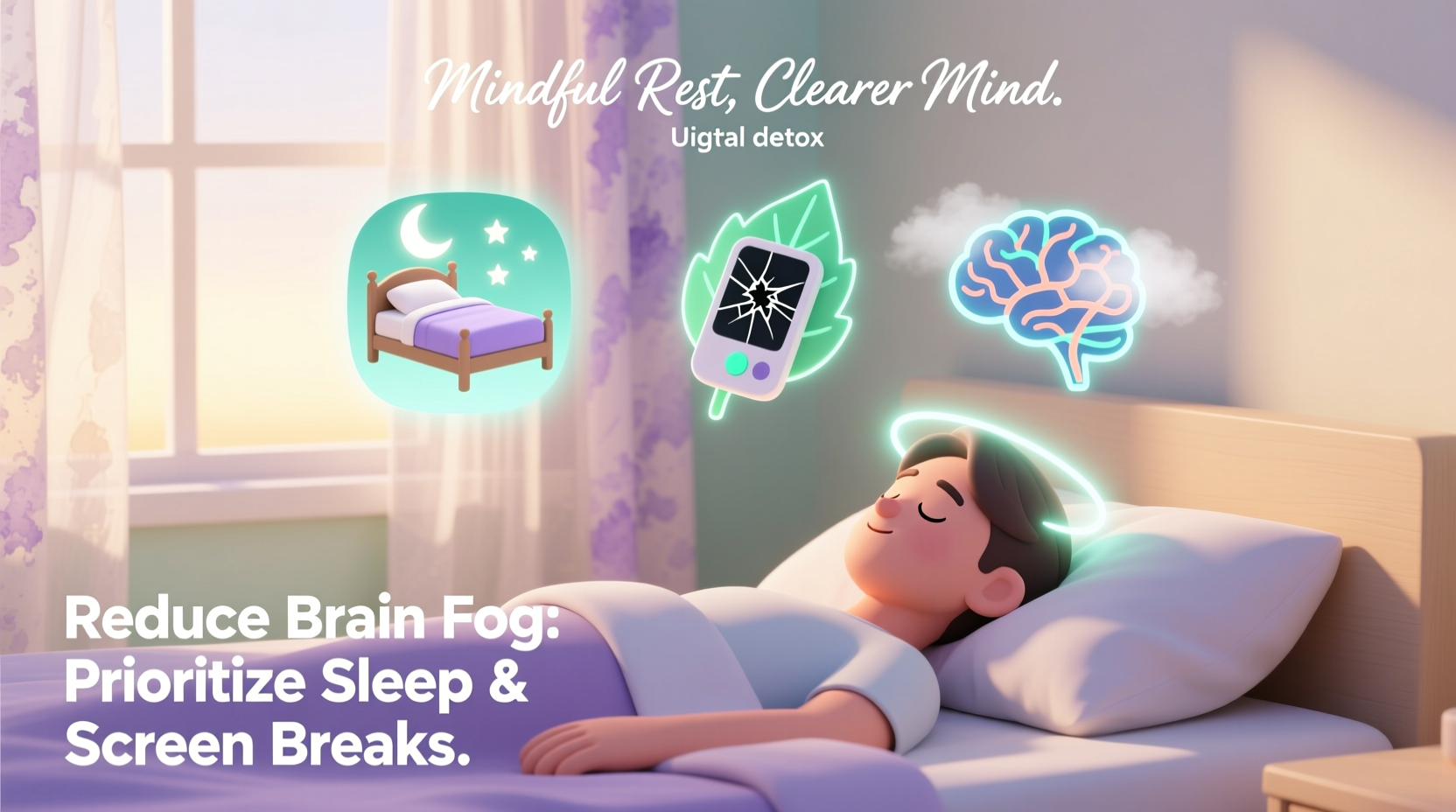
Sleep is essential for cognitive maintenance. During deep sleep stages, the brain clears metabolic waste through the glymphatic system—a process critical for preventing neurotoxic buildup linked to brain fog and long-term cognitive decline. When sleep is fragmented or insufficient, this cleanup is disrupted, leading to impaired focus, slower processing speed, and reduced problem-solving ability.
Simultaneously, prolonged screen use—especially from smartphones, laptops, and tablets—exacerbates mental fatigue. Blue light emitted by screens suppresses melatonin, the hormone responsible for regulating sleep-wake cycles. This suppression delays sleep onset and reduces sleep quality, creating a feedback loop: poor sleep increases reliance on screens for stimulation, which further degrades sleep.
Additionally, constant digital multitasking overloads the prefrontal cortex, the brain region responsible for attention and decision-making. A 2020 study published in Nature Human Behaviour found that frequent task-switching between apps and notifications can reduce working memory capacity by up to 20%, mimicking symptoms of brain fog even in well-rested individuals.
“Chronic screen exposure without recovery periods leads to neural exhaustion. The brain isn’t designed for sustained high-frequency stimulation—it needs downtime to reset.” — Dr. Lena Patel, Cognitive Neuroscientist, Stanford University
Step-by-Step Guide to Reboot Your Brain
Reversing brain fog requires a structured approach that prioritizes both sleep restoration and digital detoxification. Follow this seven-day timeline to initiate lasting change:
- Day 1–2: Audit Your Habits
Create a log of your sleep times, screen usage (use built-in phone or computer trackers), and moments when brain fog peaks. Note caffeine intake, meal times, and stress levels. - Day 3: Set a Digital Sunset
Choose a time—ideally 90 minutes before bed—to stop using all non-essential screens. Replace evening scrolling with reading, journaling, or light stretching. - Day 4: Optimize Your Sleep Environment
Make your bedroom a sleep sanctuary. Remove electronic devices, lower room temperature to 65–68°F (18–20°C), and use blackout curtains if needed. - Day 5: Implement the 20-20-20 Rule
During waking hours, every 20 minutes, look at something 20 feet away for 20 seconds. This reduces eye strain and gives your brain micro-breaks. - Day 6: Introduce a Wind-Down Routine
Begin 30 minutes before bed: dim lights, sip herbal tea (like chamomile), and practice gratitude journaling or box breathing (inhale 4 sec, hold 4 sec, exhale 4 sec). - Day 7: Evaluate and Adjust
Review your log. Did you fall asleep faster? Was morning clarity improved? Adjust screen cutoff time or bedtime as needed.
Dos and Don'ts: Managing Screen Exposure and Sleep Hygiene
| Category | Do | Don't |
|---|---|---|
| Sleep Routine | Go to bed and wake up within a 30-minute window daily, even on weekends. | Use the bed for work, eating, or watching videos. |
| Screen Use | Enable night shift mode after 6 PM and limit social media to 30 minutes per session. | Scroll endlessly in bed or respond to emails right before sleeping. |
| Work Breaks | Take a 5-minute break every hour; walk, stretch, or gaze out a window. | Work through lunch or skip breaks to “stay productive.” |
| Nutrition | Eat balanced meals rich in omega-3s, antioxidants, and complex carbs. | Consume sugary snacks or energy drinks to combat afternoon fog. |
| Evening Wind-Down | Practice mindfulness or listen to calming music. | Watch intense movies or engage in heated online discussions. |
Real-Life Example: Recovering Focus After Burnout
Mark, a 34-year-old software developer, began experiencing severe brain fog after months of late-night coding sessions and constant Slack notifications. He struggled to write clean code, forgot meetings, and felt mentally drained by noon. Initially, he attributed it to workload, but after tracking his habits, he discovered he averaged only 5.5 hours of sleep and spent over 11 hours daily on screens—including two hours of social media before bed.
He implemented a strict digital curfew at 8:30 PM, switched to blue-light-blocking glasses during evening work, and started a 10-minute meditation routine before sleep. Within 10 days, he reported falling asleep faster and waking up feeling more alert. By week three, his concentration improved significantly, and he reduced debugging time by nearly 40%. His experience underscores that even small, consistent changes can yield substantial cognitive benefits.
Actionable Checklist for Clearer Thinking
To make implementation easier, here’s a concise checklist you can follow daily and weekly:
- ✅ Set a consistent bedtime and wake-up time (within 30 minutes of target)
- ✅ Power down all screens 90 minutes before bed
- ✅ Use blue light filters on devices during evening hours
- ✅ Take hourly breaks using the 20-20-20 rule
- ✅ Keep your phone out of the bedroom
- ✅ Drink at least 2 liters of water daily (dehydration worsens mental fatigue)
- ✅ Eat one serving of fatty fish or walnuts daily (for omega-3 support)
- ✅ Spend 15 minutes outdoors in natural light each morning
- ✅ Practice 5–10 minutes of deep breathing or meditation
- ✅ Review weekly progress every Sunday night
Frequently Asked Questions
How long does it take to reverse brain fog from poor sleep?
Most people notice improvement within 3–7 days of consistent sleep hygiene and reduced screen time. Full cognitive recovery may take 2–4 weeks, depending on the severity and duration of prior sleep disruption.
Can blue light glasses really help with brain fog?
Yes. Studies show that wearing amber-tinted blue light-blocking glasses in the evening can improve melatonin production by up to 58%, leading to better sleep quality and next-day mental clarity. Choose glasses that block wavelengths below 500 nm for maximum effectiveness.
Is brain fog ever a sign of a serious condition?
While usually tied to lifestyle factors, persistent brain fog accompanied by headaches, vision changes, or mood disorders should be evaluated by a healthcare provider. Conditions like sleep apnea, thyroid dysfunction, or anxiety disorders can mimic or worsen symptoms.
Supportive Lifestyle Factors That Amplify Results
Beyond sleep and screen management, several complementary practices enhance cognitive resilience:
- Hydration: Even mild dehydration (as little as 2% body weight loss) impairs attention and short-term memory. Start your day with a glass of water and keep a bottle nearby.
- Nutrition: Diets high in processed foods and sugar promote inflammation, which negatively affects brain function. Prioritize whole grains, leafy greens, berries, nuts, and lean proteins.
- Movement: Just 20 minutes of brisk walking daily increases cerebral blood flow and stimulates neurogenesis—the growth of new brain cells.
- Natural Light Exposure: Morning sunlight helps regulate circadian rhythms. Aim for 15–30 minutes of outdoor light within an hour of waking.
Caffeine should be consumed strategically—ideally before 2 PM—and limited to 200–400 mg per day (about 1–2 cups of coffee). Later consumption can fragment sleep architecture, reducing restorative deep sleep.
“The brain thrives on rhythm and recovery. Without regular downtime, cognitive performance inevitably declines.” — Dr. Rajiv Mehta, Sleep Medicine Specialist, Cleveland Clinic
Conclusion: Reclaim Your Mental Clarity
Brain fog caused by poor sleep and screen overload is not inevitable—it’s a signal from your body asking for balance. By reestablishing healthy sleep patterns, setting boundaries around digital consumption, and incorporating restorative daily rituals, you can dissolve the fog and operate at your full cognitive potential. These changes don’t require drastic overhauls; they demand consistency and awareness. Start tonight: put the phone down, step away from the screen, and give your brain the quiet it needs to heal. Your mind will thank you with sharper focus, better mood, and renewed energy.




 浙公网安备
33010002000092号
浙公网安备
33010002000092号 浙B2-20120091-4
Comments
No comments yet. Why don't you start the discussion?