
Brain fog isn’t a medical diagnosis, but it’s a real and often frustrating experience. It shows up as difficulty concentrating, forgetfulness, mental fatigue, or a feeling of being “underwater.” While occasional lapses are normal, persistent brain fog can interfere with work, relationships, and daily life. The good news? Much of what drives brain fog is modifiable—especially through diet and subtle but powerful lifestyle adjustments.
The brain consumes about 20% of the body’s energy, making it highly sensitive to fluctuations in nutrition, sleep, hydration, and stress. By aligning daily habits with brain health principles, many people report noticeable improvements in mental clarity within days or weeks. This article explores actionable, evidence-based strategies to clear the fog and support long-term cognitive resilience.
Understanding the Roots of Brain Fog
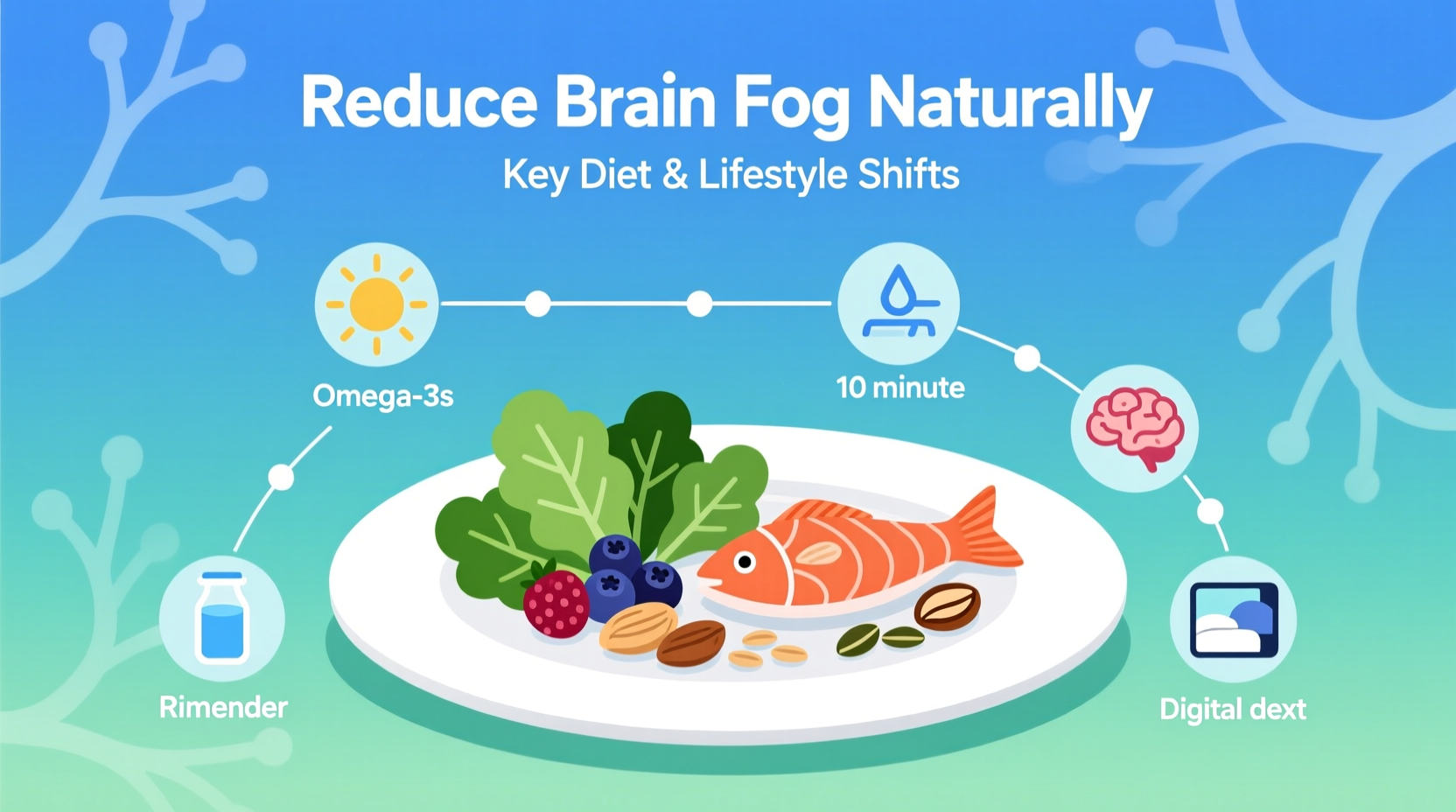
Before diving into solutions, it helps to recognize common triggers. Brain fog arises from a complex interplay of factors:
- Poor blood sugar control: Spikes and crashes from refined carbs impair focus.
- Nutrient deficiencies: Low levels of B vitamins, omega-3s, magnesium, and vitamin D affect brain function.
- Chronic inflammation: Systemic inflammation, often driven by diet and stress, disrupts neural signaling.
- Sleep disruption: Poor-quality or insufficient sleep hinders memory consolidation and mental processing.
- Dehydration: Even mild dehydration reduces attention and reaction time.
- Gut imbalances: The gut-brain axis means digestive issues like leaky gut or dysbiosis can manifest as cognitive symptoms.
Addressing these root causes doesn’t require drastic overhauls. Small, consistent changes in what you eat and how you live can yield significant results.
Dietary Changes That Clear Mental Clarity
Food is information for your brain. What you eat directly influences neurotransmitter production, energy metabolism, and inflammation levels.
Choose Stable Energy Sources
Refined sugars and processed carbohydrates cause rapid insulin spikes followed by crashes—often experienced as mid-afternoon fatigue or inability to concentrate. Instead, prioritize whole foods rich in fiber, healthy fats, and protein.
Complex carbohydrates digest slowly, providing a gradual release of glucose—the brain’s primary fuel. Pair them with protein (like eggs, Greek yogurt, or lentils) and healthy fats (avocado, nuts, olive oil) to further stabilize energy.
Incorporate Brain-Boosting Nutrients
Certain nutrients are non-negotiable for optimal brain function. Key players include:
- Omega-3 fatty acids (DHA): Found in fatty fish (salmon, mackerel), flaxseeds, and walnuts. Essential for neuron membrane integrity.
- B vitamins (especially B6, B9, B12): Support homocysteine regulation and neurotransmitter synthesis. Found in leafy greens, eggs, and legumes.
- Magnesium: Involved in over 300 enzymatic reactions, including those regulating nerve transmission. Found in pumpkin seeds, spinach, and dark chocolate.
- Antioxidants: Combat oxidative stress in the brain. Berries, dark leafy greens, and green tea are excellent sources.
“Nutrition is foundational to cognitive performance. A Mediterranean-style diet consistently correlates with reduced brain fog and lower risk of cognitive decline.” — Dr. Lisa Mosconi, Director of the Women’s Brain Initiative
Limit Inflammatory Foods
Chronic low-grade inflammation impairs synaptic plasticity and contributes to mental fatigue. Common dietary culprits include:
- Ultra-processed foods (chips, frozen meals, fast food)
- Added sugars and high-fructose corn syrup
- Industrial seed oils (soybean, corn, sunflower oils)
- Excessive alcohol
These items promote gut permeability and systemic inflammation, both linked to cognitive dysfunction. Reducing their intake—even partially—can improve mental sharpness.
Lifestyle Tweaks for Lasting Mental Clarity
Diet is only one piece. Daily routines shape brain chemistry just as powerfully.
Optimize Sleep Quality
Sleep is when the brain clears metabolic waste via the glymphatic system. Without sufficient rest, toxins accumulate, leading to sluggish thinking.
Aim for 7–9 hours nightly. Improve sleep hygiene by:
- Going to bed and waking at consistent times
- Reducing blue light exposure 1–2 hours before bed
- Keeping the bedroom cool, dark, and quiet
- Avoiding caffeine after 2 p.m.
Stay Hydrated Throughout the Day
Even a 1–2% drop in body water can impair attention, memory, and mood. Many people operate chronically dehydrated without realizing it.
Start the day with a glass of water. Carry a reusable bottle and sip regularly. Monitor urine color—pale yellow indicates adequate hydration.
Move Your Body Regularly
Physical activity increases cerebral blood flow and stimulates BDNF (brain-derived neurotrophic factor), a protein that supports neuron growth and connectivity.
You don’t need intense workouts. A 20-minute walk, gentle yoga, or stretching breaks every few hours can lift mental fog. Consistency matters more than intensity.
Manage Stress with Mindful Pauses
Chronic stress floods the brain with cortisol, which over time damages the hippocampus—critical for memory and learning.
Incorporate micro-practices:
- Three deep breaths before checking email
- A five-minute meditation using an app like Insight Timer
- Spending 10 minutes in nature during lunch
These small resets lower cortisol and restore prefrontal cortex function—the area responsible for focus and decision-making.
Action Plan: 7-Day Brain Fog Reset
Implementing all changes at once can feel overwhelming. Instead, follow this step-by-step timeline to build sustainable habits.
- Day 1: Eliminate added sugars and processed snacks. Replace with whole foods.
- Day 2: Add one serving of fatty fish or plant-based omega-3s (chia, flax).
- Day 3: Drink two extra glasses of water and set a phone reminder to sip hourly.
- Day 4: Take a 15-minute walk after lunch or dinner.
- Day 5: Begin a nightly wind-down routine: no screens 60 minutes before bed.
- Day 6: Practice three rounds of box breathing (4 seconds in, 4 hold, 4 out, 4 hold).
- Day 7: Reflect on mental clarity. Note improvements in focus, mood, or energy.
This plan builds momentum without burnout. After seven days, assess what felt most beneficial and integrate those practices long-term.
What to Avoid: Common Mistakes That Worsen Brain Fog
Some well-intentioned habits may backfire. Be mindful of these pitfalls.
| Do | Don’t |
|---|---|
| Eat balanced meals with protein, fat, and fiber | Skimp on breakfast or rely on sugary coffee drinks |
| Take short movement breaks every 90 minutes | Sit for hours without standing or stretching |
| Use caffeine strategically (before 2 p.m.) | Drink multiple energy drinks or late-afternoon lattes |
| Keep a symptom journal to track patterns | Assume brain fog is “just part of aging” without investigating causes |
Real Example: Sarah’s Turnaround in Three Weeks
Sarah, a 42-year-old project manager, struggled with afternoon brain fog that made meetings difficult and deadlines stressful. She relied on coffee and candy bars to push through, but her concentration faded by 3 p.m.
She began tracking her diet and noticed she skipped breakfast and ate takeout most days. She also averaged six hours of sleep and rarely moved during work hours.
Over three weeks, she implemented changes:
- Started the day with scrambled eggs and avocado
- Swapped soda for herbal tea and water
- Walked 20 minutes during lunch
- Set a bedtime alarm and read instead of scrolling
By week three, Sarah reported clearer thinking, better retention in meetings, and less reliance on caffeine. Her energy remained stable throughout the day. She later discovered a mild vitamin D deficiency through blood work, which her doctor addressed with supplementation—further boosting her progress.
Checklist: Your Brain Fog Reduction Toolkit
Use this checklist weekly to stay on track:
- ✅ Eat protein and healthy fat at every meal
- ✅ Consume at least two servings of leafy greens
- ✅ Drink half your body weight (lbs) in ounces of water
- ✅ Move for 15+ minutes daily
- ✅ Limit screen time one hour before bed
- ✅ Practice one stress-reduction technique (breathing, meditation, journaling)
- ✅ Track mental clarity each evening (rate 1–10)
Frequently Asked Questions
Can food sensitivities cause brain fog?
Yes. Common triggers like gluten, dairy, or soy can provoke immune responses that affect the brain in sensitive individuals. An elimination diet under professional guidance can help identify culprits.
How long does it take to see improvements?
Many notice subtle shifts within 3–7 days. Significant improvement often takes 2–4 weeks of consistent effort. Individual results vary based on baseline health and adherence.
Is brain fog a sign of something serious?
Occasional mental fatigue is normal. But persistent brain fog—especially with other symptoms like fatigue, joint pain, or mood changes—warrants medical evaluation to rule out thyroid disorders, autoimmune conditions, or sleep apnea.
Conclusion: Small Steps, Big Clarity
Reducing brain fog doesn’t require perfection. It requires awareness and consistency. By choosing nutrient-dense foods, staying hydrated, moving regularly, and protecting sleep, you create the internal environment your brain needs to thrive.
Start with one change. Maybe it’s drinking more water or adding walnuts to your morning oatmeal. Build from there. Over time, these small choices compound into sharper focus, greater resilience, and renewed confidence in your mental capacity.




 浙公网安备
33010002000092号
浙公网安备
33010002000092号 浙B2-20120091-4
Comments
No comments yet. Why don't you start the discussion?