
Puffy eyes can appear for a variety of reasons—lack of sleep, allergies, high sodium intake, fluid retention, or even genetics. While many people reach for ice cubes or chilled spoons, not everyone has these on hand, nor is cold therapy suitable for sensitive skin. The good news is that reducing puffiness under the eyes overnight doesn’t require extreme measures. With simple, accessible techniques and a few household items, you can wake up to noticeably calmer, less swollen eyes—all without ice.
This guide explores scientifically supported and dermatologist-approved strategies that target inflammation, improve circulation, and encourage lymphatic drainage. Whether your puffiness stems from late-night screen time or seasonal allergies, these solutions are practical, gentle, and effective.
Understanding the Causes of Puffy Eyes
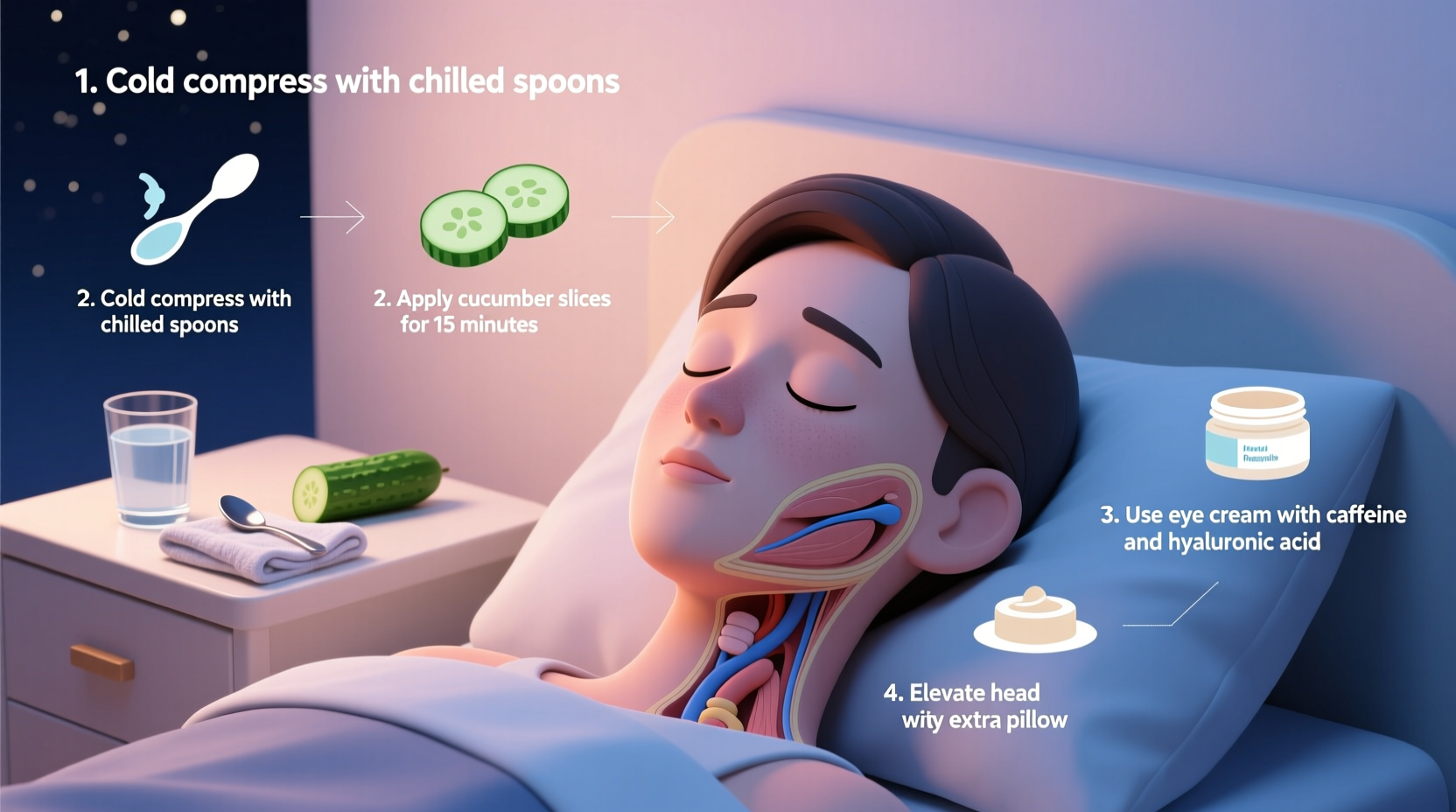
Before addressing how to reduce puffiness, it’s essential to understand why it happens. The skin around the eyes is among the thinnest on the body, making it highly susceptible to visible swelling. Fluid tends to pool in this area due to gravity when lying down, especially after consuming salty foods or drinking alcohol. Other common contributors include:
- Allergies: Histamine release causes blood vessels to dilate and tissues to swell.
- Dehydration: Paradoxically, not drinking enough water prompts the body to retain fluid.
- Aging: As collagen diminishes, fat pads beneath the eyes may shift forward, creating a puffy appearance.
- Sleep position: Lying flat encourages fluid accumulation under the eyes.
- Diet: High-sodium meals increase water retention.
Addressing puffiness effectively means targeting both the symptom and its root cause. The following methods focus on improving microcirculation, supporting lymphatic flow, and calming inflammation—all achievable within a single evening routine.
Effective Overnight Remedies Without Ice
You don’t need refrigerated tools to combat eye puffiness. Several natural, warming, or neutral-temperature techniques can produce visible results by morning. These approaches rely on physical stimulation, osmotic balance, and anti-inflammatory properties found in everyday ingredients.
1. Warm Tea Bag Compress
Used tea bags—particularly green or black tea—are a powerful remedy. They contain tannins and caffeine, both of which help constrict blood vessels and draw out excess fluid.
- Brew two tea bags (green or black) in hot water for 3–5 minutes.
- Remove and let them cool until warm—not hot—to avoid irritation.
- Lie down and place one tea bag over each eye.
- Relax for 15–20 minutes, then gently rinse the area with cool water.
The warmth enhances blood flow, while caffeine reduces swelling. A study published in the *Journal of Cosmetic Dermatology* found that topical caffeine application significantly decreased periorbital puffiness within days of regular use.
2. Gentle Lymphatic Drainage Massage
The lymphatic system removes waste and excess fluid from tissues. When sluggish—due to fatigue or poor circulation—fluid builds up under the eyes. A light massage can stimulate drainage.
“Facial massage isn’t just relaxing—it’s functional. Even two minutes before bed can make a difference in morning puffiness.” — Dr. Lena Patel, Board-Certified Dermatologist
Follow this technique:
- Cleanse your face and apply a light facial oil or serum to reduce friction.
- Using your ring finger (it applies the least pressure), start at the inner corner of the eye.
- Apply gentle upward and outward motions along the orbital bone.
- Move toward the temples, then down the sides of the nose to the jawline.
- Repeat for 2–3 minutes per side.
Consistency matters. Daily massage improves long-term tone and reduces chronic puffiness.
3. Cucumber Slices at Room Temperature
While often chilled, cucumbers work effectively even at room temperature. Their high water content hydrates the skin, while antioxidants like flavonoids reduce oxidative stress and inflammation.
Place thin slices over closed eyes for 15–20 minutes. The mild cooling effect comes from evaporation, not refrigeration. For enhanced results, lightly press the cucumber against the skin to release more juice.
Do’s and Don’ts Before Bed
Your nighttime habits play a crucial role in whether puffiness develops. Small changes can yield dramatic improvements by morning. Refer to this table to optimize your routine.
| Do | Don’t |
|---|---|
| Drink a glass of water before bed to stay hydrated | Consume salty snacks or alcoholic drinks in the evening |
| Use a silk pillowcase to reduce friction and fluid retention | Sleep flat on your back without elevation |
| Apply an eye cream with caffeine or peptides | Rub or tug at your eyes when removing makeup |
| Elevate your head with an extra pillow | Go to bed with makeup or eye residue still on |
| Wash bedding weekly to minimize allergens | Use expired or comedogenic skincare products |
One overlooked factor is allergen exposure. Dust mites, pet dander, or laundry detergents can trigger low-grade inflammation, leading to persistent puffiness. Switching to hypoallergenic detergent and washing pillowcases every 3–4 days can eliminate this hidden cause.
Real-Life Example: Reducing Morning Puffiness Naturally
Sarah, a 34-year-old project manager, struggled with recurring eye puffiness despite getting seven hours of sleep. She avoided ice due to sensitive skin and disliked the temporary results. After tracking her habits, she noticed a pattern: evenings with wine and takeout consistently led to puffy eyes the next day.
She implemented three changes:
- Replaced evening wine with herbal tea.
- Started using a caffeine-based eye serum before bed.
- Introduced a nightly 3-minute lymphatic massage.
Within a week, Sarah reported visibly flatter under-eyes upon waking. “I didn’t think skipping wine would make such a difference,” she said. “But now I barely notice any swelling, even after busy days.” Her experience underscores how dietary choices and consistent self-care can override genetic predispositions.
Step-by-Step Overnight Routine to Reduce Puffiness
For best results, follow this structured evening regimen. It takes less than 10 minutes and leverages multiple mechanisms to reduce swelling.
- 6:00–8:00 PM – Monitor Sodium and Hydration: Avoid processed foods and drink at least 8 oz of water. Herbal teas like dandelion or peppermint support natural detoxification.
- 9:00 PM – Cleanse Gently: Remove makeup with a non-comedogenic oil or micellar water. Avoid harsh rubbing.
- 9:10 PM – Apply Active Eye Treatment: Use a serum containing caffeine, niacinamide, or hyaluronic acid. Pat lightly into the skin.
- 9:15 PM – Perform Lymphatic Massage: Spend 2–3 minutes massaging each eye area using upward and outward strokes.
- 9:20 PM – Use a Warm Compress: Place room-temperature green tea bags or damp cloths over the eyes for 15 minutes.
- 9:40 PM – Elevate Your Head: Use an extra pillow or wedge to keep your head above heart level during sleep.
- Consistency: Repeat this routine 4–5 nights per week for cumulative benefits.
This sequence combines hydration regulation, microcirculation enhancement, and mechanical drainage—three pillars of effective puffiness reduction.
Frequently Asked Questions
Can lack of sleep cause permanent puffiness?
No, occasional sleep deprivation causes temporary swelling that resolves with rest and proper care. However, chronic poor sleep may accelerate signs of aging, including sagging and dark circles, due to impaired skin repair.
Are there any risks to using tea bags on the eyes?
Generally, no—but ensure the tea is cooled to avoid burns. Avoid if you have a known allergy to tannins or specific tea ingredients. Do not reuse tea bags, as bacteria can accumulate.
How long does it take to see results from natural methods?
Some improvement can be seen overnight, especially with massage and hydration. For lasting change, consistent practice over 2–4 weeks is recommended. Chronic puffiness may require medical evaluation.
Checklist: Your No-Ice Puffiness Reduction Plan
Use this checklist nightly to stay on track:
- ☑ Avoid salty or alcoholic foods/drinks after 6 PM
- ☑ Drink a glass of water before starting your routine
- ☑ Remove eye makeup gently with non-irritating cleanser
- ☑ Apply eye serum with caffeine or anti-inflammatory ingredients
- ☑ Perform 2–3 minutes of lymphatic massage per eye
- ☑ Use room-temperature tea bags or cucumber slices for 15 min
- ☑ Sleep with head slightly elevated
- ☑ Wash pillowcase at least twice a week
Sticking to this plan minimizes variables that contribute to puffiness and empowers you to take control of your morning appearance through sustainable habits.
Conclusion: Wake Up Refreshed, Not Puffy
Reducing puffy eyes overnight without ice is not only possible—it’s often more effective than temporary cold fixes. By understanding the underlying causes and adopting a targeted evening routine, you can address puffiness at its source. From lymphatic massage to smart hydration and allergen control, the solutions are simple, safe, and backed by science.
Start tonight. Choose one or two methods from this guide—perhaps the tea bag compress and head elevation—and commit to them for a week. Observe the difference in your reflection. Over time, these small actions compound into lasting improvements in skin clarity and eye contour. You don’t need special tools or expensive treatments. Just consistency, awareness, and care.




 浙公网安备
33010002000092号
浙公网安备
33010002000092号 浙B2-20120091-4
Comments
No comments yet. Why don't you start the discussion?