
In an age where digital devices are deeply woven into our daily routines—work, communication, entertainment, even self-worth—it’s no surprise that attempts to cut back on screen time often trigger anxiety or a sense of isolation. Many people report feeling \"lost\" without their phones, fearful of missing out, or overwhelmed by the silence that follows disconnection. Yet, reducing screen time doesn’t have to mean cutting yourself off from the world or battling withdrawal symptoms. The key lies not in abrupt elimination, but in intentional redesign of your relationship with technology.
This article explores how to scale back digital consumption in a way that supports mental well-being, enhances presence, and strengthens real-world connections—without triggering stress or loneliness.
Understanding the Anxiety Behind Screen Dependency
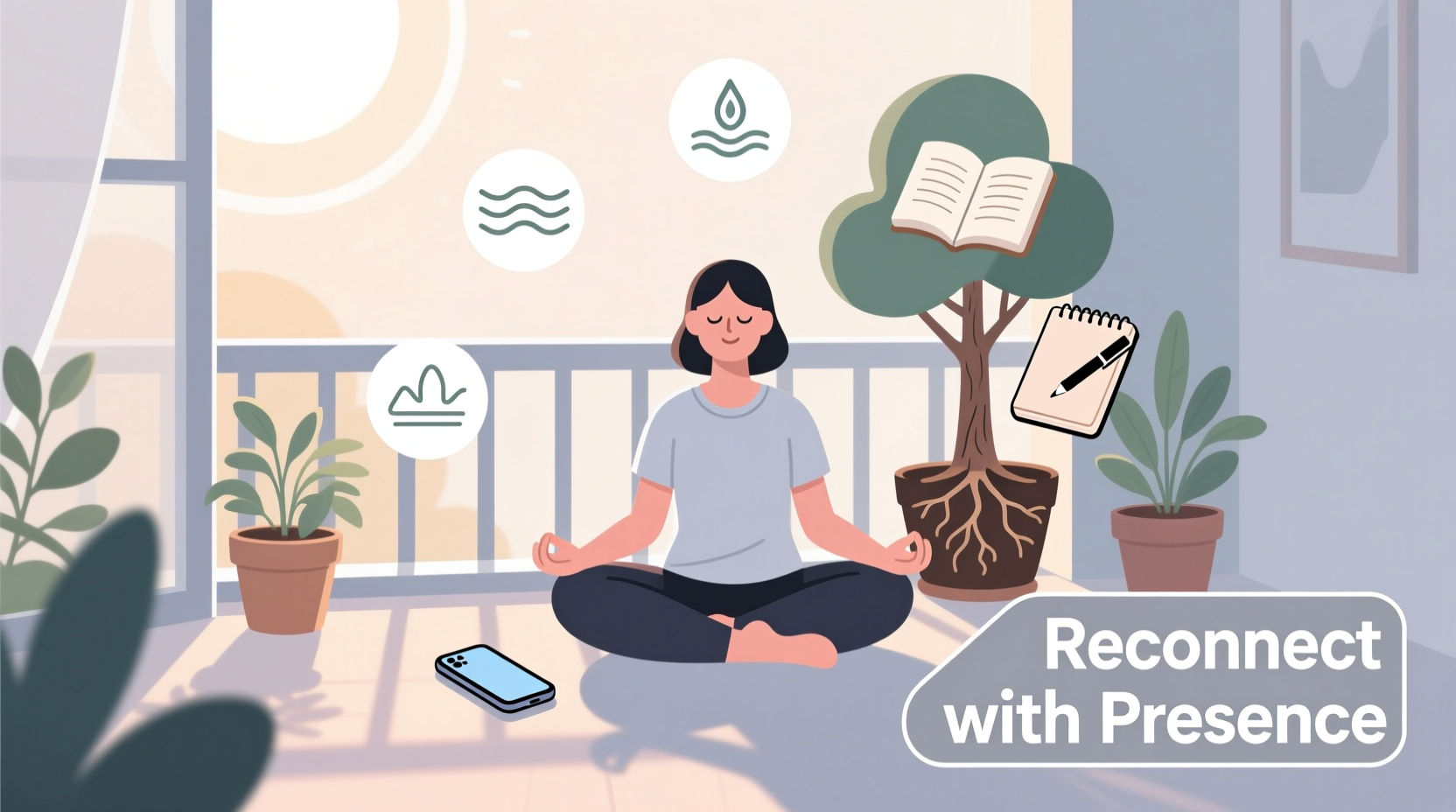
Before addressing solutions, it's essential to recognize why stepping away from screens feels so difficult. Screens aren't just tools—they're conditioned sources of dopamine. Notifications, likes, messages, and endless scrolling provide micro-rewards that train the brain to seek constant stimulation. When we remove that input, the nervous system can interpret the absence as a threat, triggering restlessness, worry, or fear of being “out of the loop.”
Dr. Anna Lembke, psychiatrist and author of *Dopamine Nation*, explains:
“We’ve created environments that offer immediate gratification with minimal effort. When we try to step back, our brains don’t just miss the reward—they panic at the void.”
This neurological response is normal, not a personal failing. The goal isn’t to shame screen use but to reframe it: reducing screen time should feel like reclaiming space, not losing connection.
Redefining Connection: From Digital to Embodied Presence
One reason people fear disconnection is the mistaken belief that screen time equals social engagement. But research consistently shows that passive scrolling or reactive messaging rarely fulfills deep human needs for belonging. Real connection thrives on reciprocity, eye contact, shared silence, and emotional attunement—elements most digital interactions lack.
Instead of asking, “How do I stay connected online?” ask, “How can I feel more connected offline?” This shift in framing transforms screen reduction from a loss into an opportunity.
Step-by-Step Guide to Reducing Screen Time Gently
Going cold turkey may work temporarily, but sustainable change requires gradual adjustment and replacement behaviors. Follow this five-phase timeline to reduce screen time mindfully over four weeks.
- Week 1: Awareness & Tracking
Use built-in screen time reports (iOS Digital Wellbeing or Android Dashboard) to log your usage. Note which apps consume the most time and when you reach for your device automatically—during meals, before bed, or while waiting. Journal your emotional state each time: bored? anxious? lonely? - Week 2: Set Micro-Boundaries
Introduce small limits: no phones during meals, charge your device outside the bedroom, disable non-essential notifications. Choose one high-usage app and limit it to 20 minutes per day using app timers. - Week 3: Replace, Don’t Remove
For every habit you reduce, add a substitute. If you usually scroll Instagram while drinking coffee, read a physical magazine instead. If you check email first thing, try journaling or stretching for 10 minutes before unlocking your phone. - Week 4: Design Your Environment
Make low-screen choices easier. Keep a book by your bed. Place your phone face-down or in another room during focused hours. Use grayscale mode to make screens less visually stimulating. - Ongoing: Reflect & Adjust
Every Sunday, reflect: Did you feel more present? Less reactive? More rested? Adjust boundaries based on what supports your energy and relationships.
The Role of Rituals in Sustainable Disconnection
Humans thrive on rhythm. Without rituals, attempts to reduce screen time become acts of willpower—which eventually fail. Instead, build simple, repeatable rituals that signal transition and create psychological safety around disconnection.
Examples include:
- A morning ritual: Brew tea, sit quietly for five minutes, then decide intentionally whether to open your phone.
- An evening shutdown: At 8 PM, turn on Do Not Disturb, write down tomorrow’s top three priorities, and pick up a book.
- A weekly digital sabbath: Dedicate one afternoon to being fully offline—walk, cook, draw, or meet someone in person.
Rituals reduce decision fatigue and create predictability, making reduced screen time feel natural rather than forced.
Real Example: How Sarah Regained Her Evenings
Sarah, a 34-year-old graphic designer, used to spend two to three hours each night scrolling through social media and watching short videos. She didn’t enjoy it, but felt unable to stop. “I’d tell myself ‘just 10 more minutes,’ and suddenly it was midnight,” she says. After reading about attention residue—the cognitive drag of switching between tasks—she decided to experiment.
She started by replacing her post-dinner phone use with sketching. At first, she felt restless and kept reaching for her phone. But within a week, she began looking forward to the quiet creativity. After a month, she noticed improved sleep and found herself initiating conversations with her partner instead of zoning out beside him.
“It wasn’t about discipline,” Sarah reflects. “It was about giving myself something meaningful to do instead. Once I had that, the phone lost its grip.”
Do’s and Don’ts of Healthy Screen Reduction
| Do | Don’t |
|---|---|
| Start with awareness—track usage before setting limits | Try to quit all screens at once |
| Replace screen habits with satisfying alternatives | Leave a vacuum—boredom often leads to relapse |
| Communicate your intentions to close contacts | Disappearing abruptly, causing others to worry |
| Use tech to support reduction (e.g., focus modes) | Rely solely on willpower without environmental changes |
| Be kind to yourself when you slip up | View setbacks as failures that invalidate progress |
Expert Insight: Building Autonomy Over Attention
Cal Newport, computer science professor and author of *Digital Minimalism*, emphasizes intentionality:
“The goal isn’t to use technology less, but to ensure that your use serves your values. When your digital life aligns with your deeper goals, reduction doesn’t feel like deprivation—it feels like clarity.”
This philosophy shifts the focus from screen time as a moral issue (“I should be better”) to a strategic one (“What do I want my attention to serve?”). Ask yourself: Does this app, notification, or habit bring me closer to the life I want? If not, it’s not a lapse to ignore it—it’s an act of alignment.
Checklist: Your First Week of Mindful Screen Reduction
Use this checklist to begin building sustainable habits without overwhelm:
- ✅ Review your screen time data from the past week
- ✅ Identify your top two time-consuming apps
- ✅ Turn off non-essential notifications (social media, news, games)
- ✅ Set one app timer for your most-used non-essential app
- ✅ Designate one screen-free zone (e.g., bedroom, dining table)
- ✅ Choose one replacement activity (reading, walking, doodling)
- ✅ Share your intention with one person to increase accountability
Frequently Asked Questions
What if I need my phone for work or emergencies?
Reducing screen time isn’t about eliminating utility—it’s about minimizing compulsive use. You can still keep your phone accessible while setting boundaries around recreational use. Use work-specific profiles or focus modes to separate professional access from personal distraction.
I feel anxious when I’m not checking my phone. Is that normal?
Yes. This is often called “nomophobia” (no-mobile-phone phobia) and affects millions. The anxiety usually peaks in the first few days of reduction and fades as your nervous system adjusts. Practice grounding techniques—like slow breathing or naming five things you see—when the urge to check arises.
How do I stay connected with friends without relying on messaging apps?
Shift toward higher-quality interactions. Schedule regular voice calls or video chats with intent, rather than constant texting. Plan in-person meetups or shared activities. Let people know you’re simplifying your digital life—you might inspire them to do the same.
Conclusion: Reclaiming Your Attention, One Intentional Choice at a Time
Reducing screen time shouldn’t feel like punishment or isolation. When approached with compassion and strategy, it becomes an invitation to live more fully. You don’t need to delete all your apps or go off-grid. You just need to start making conscious choices about where your attention goes—and trust that what you gain in presence is worth more than what you leave behind.
Begin small. Replace one scroll session with a walk. Leave your phone in another room during dinner. Say no to the reflexive check. Each choice builds autonomy. Each moment offline is a chance to reconnect—with yourself, with others, with the world beyond the glow of the screen.




 浙公网安备
33010002000092号
浙公网安备
33010002000092号 浙B2-20120091-4
Comments
No comments yet. Why don't you start the discussion?