
Every year, as families unpack their artificial Christmas trees and shimmering tinsel, one persistent annoyance reappears: static cling. Branches stick together, tinsel clings to fingers, ornaments slide off, and the whole display looks messy before it even begins. Static isn’t just frustrating—it can ruin the aesthetic of your carefully curated tree. The good news is that static buildup on synthetic materials like PVC or PE tree branches and metallic-coated tinsel is both predictable and manageable.
Static electricity occurs when electrons transfer between materials through friction—common during unpacking, fluffing, or even from dry indoor air. While harmless, it causes lightweight decorations to leap onto hands, clothes, or adjacent branches. Fortunately, with the right techniques, tools, and preventive habits, you can minimize or eliminate static cling and enjoy a smooth, elegant decorating experience.
Understanding Why Static Builds on Artificial Trees
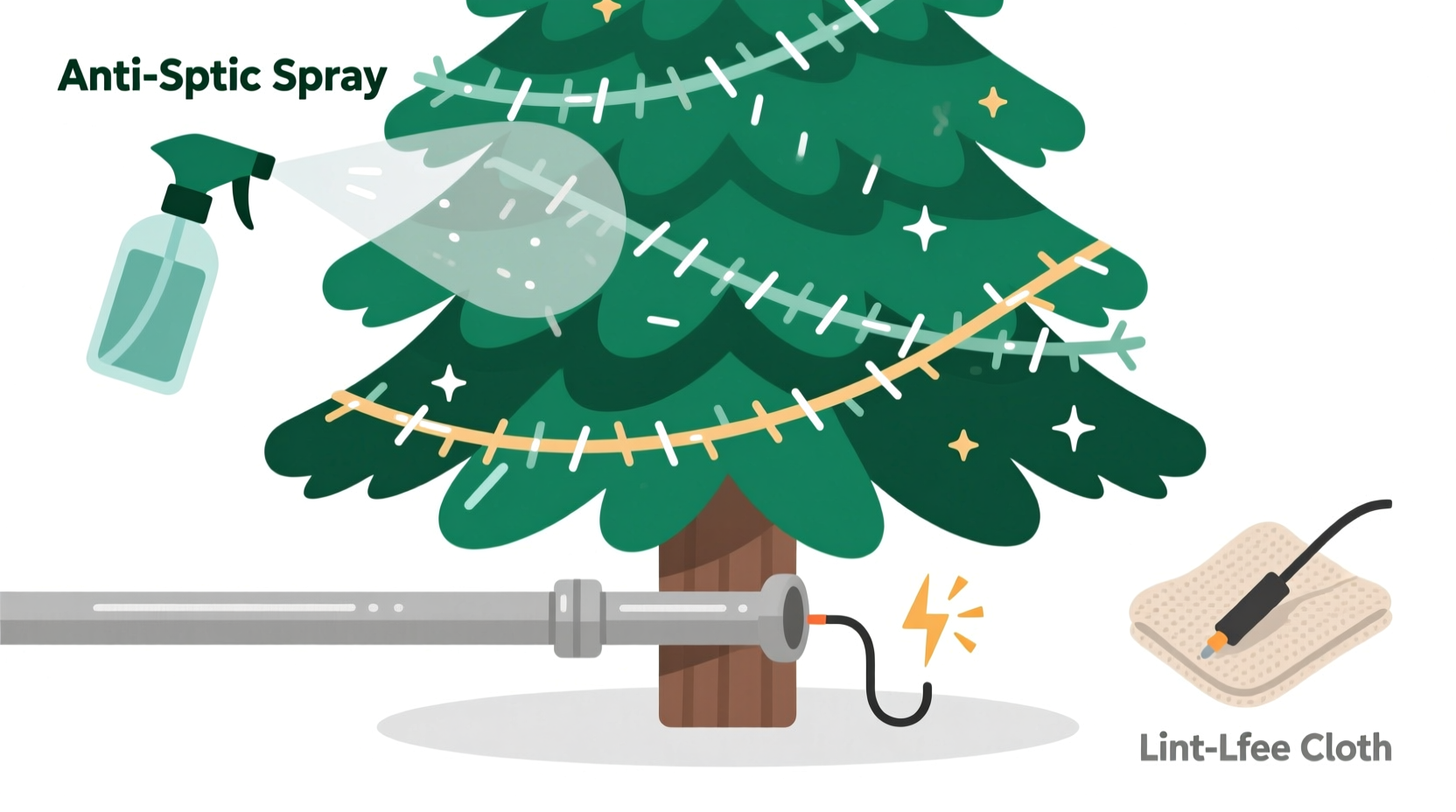
Artificial Christmas trees are typically made from polyvinyl chloride (PVC), polyethylene (PE), or other plastics—materials known for holding static charge. When these surfaces rub against each other during storage or setup, electrons transfer, creating an imbalance. This imbalance leads to electrostatic attraction, pulling in dust, tinsel, and even hair.
The problem worsens in winter months. Indoor heating reduces relative humidity, often dropping levels below 30%. Dry air is a poor conductor, so charges build up instead of dissipating naturally. Tinsel, especially older metallic varieties or modern mylar-based strands, becomes particularly prone to clinging due to its thin, lightweight structure and conductive coating.
“Low humidity is the biggest contributor to static issues on artificial trees. In controlled environments with 40–50% humidity, static problems drop by over 70%.” — Dr. Alan Reeves, Environmental Physicist at the National Holiday Safety Institute
Effective Methods to Reduce Static Cling
Combating static requires a multi-pronged approach: adjusting environmental conditions, treating surfaces, and using smart handling techniques. Below are proven strategies backed by material science and user testing.
1. Increase Indoor Humidity
The most effective long-term solution is raising ambient humidity. Moisture in the air helps dissipate electric charges before they accumulate. Aim for 40–50% relative humidity near the tree.
Use a cool-mist humidifier in the same room as the tree. Position it nearby but not so close that mist directly contacts lights or electrical components. Run it consistently during the holiday season. Even a simple bowl of water placed near a heat source can add minor moisture, though less efficiently.
2. Use Anti-Static Sprays Safely
Commercial anti-static sprays work by leaving a microscopic conductive layer on surfaces, allowing charges to equalize. However, not all sprays are safe for artificial trees or tinsel.
Choose products labeled for use on plastics or fabrics. Avoid anything oily or alcohol-heavy, which can degrade PVC or discolor tinsel. Test on a small, hidden branch first. Spray lightly from a distance of 12–18 inches, focusing on areas where tinsel tends to cling. Let dry completely before decorating further.
A homemade alternative: mix one part liquid fabric softener with ten parts water in a spray bottle. Lightly mist the outer branches—avoid saturating. Fabric softener contains cationic surfactants that neutralize static. While effective, overuse can leave a residue, so apply sparingly.
3. Pre-Treat Hands and Tools
Your hands generate significant static when handling synthetic materials. Before touching tinsel or fluffing branches, ground yourself or reduce personal charge.
- Wash and dry hands thoroughly—moisturized skin conducts better than dry.
- Wipe hands with a dryer sheet before handling tinsel.
- Use plastic gloves treated with anti-static spray for extended decorating sessions.
When draping tinsel, use wooden or plastic tongs instead of bare fingers. These tools don’t hold charge as readily and help place strands more precisely.
Step-by-Step Guide to a Static-Free Tree Setup
Follow this timeline to minimize static from unpacking to final decoration.
- Day 1: Prepare the Environment
Set up a humidifier in the room where the tree will go. Turn it on 24 hours before assembly to stabilize air moisture. - Unpack in a Low-Static Zone
Open tree boxes on a non-carpeted surface (e.g., tile or hardwood). Avoid wool rugs or synthetic carpets that generate friction. - Fluff Branches Gradually
Work section by section. After unfolding each tier, pause and let branches settle. Rapid fluffing increases friction and static. - Mist Lightly with Anti-Static Solution
Spray a fine mist of diluted fabric softener or commercial anti-static product. Focus on dense areas where tinsel accumulates. - Add Lights First
String lights before tinsel. The wires act as grounding paths, helping dissipate charge across the tree. - Apply Tinsel Strategically
Use short strands (6–12 inches) rather than long continuous pieces. Long tinsel builds more charge and is harder to control. Drape gently using tools, not hands. - Final Pass with Dryer Sheet
After decorating, lightly run a used dryer sheet over high-cling zones. This neutralizes residual charge without damaging materials.
Do’s and Don’ts: Managing Static on Holiday Decor
| Do | Don’t |
|---|---|
| Use a humidifier to maintain 40–50% humidity | Place the tree near heating vents or radiators |
| Mist branches with diluted fabric softener | Soak branches—excess moisture can damage wiring or bases |
| Handle tinsel with gloves or tongs | Rub tinsel vigorously between fingers |
| Use dryer sheets on stubborn areas | Use metal tools that could scratch or conduct electricity near lights |
| Store tree and tinsel in breathable cotton bags | Keep decor in plastic bins without ventilation |
Real Example: A Family’s Static-Free Transformation
The Thompson family in Denver had struggled for years with their pre-lit artificial tree. Every December, tinsel would ball up, stick to arms, and fall off within days. One year, after reading about humidity’s role, they invested in a $40 ultrasonic humidifier and began using a spray mix of water and a capful of Downy.
They set up the humidifier three days before assembling the tree. After fluffing each section, they lightly misted it and wiped hands with a dryer sheet. They cut tinsel into 8-inch strands and used bamboo tongs to drape them evenly.
The result? Their tree stayed pristine for five weeks. No tinsel clung to pets or clothing, and visitors complimented the elegant, balanced look. “It felt like we finally got our money’s worth from that expensive tree,” said Lisa Thompson. “No more looking like a glitter bomb exploded.”
Checklist: Your Static-Reduction Game Plan
Use this checklist before and during tree setup to stay ahead of static:
- ☑ Measure room humidity with a hygrometer
- ☑ Turn on humidifier 24–48 hours before setup
- ☑ Unpack tree on non-carpeted floor
- ☑ Fluff branches slowly, section by section
- ☑ Mix anti-static spray (1 part fabric softener + 10 parts water)
- ☑ Lightly mist outer branches
- ☑ String lights before adding tinsel
- ☑ Cut tinsel into short lengths (6–12 inches)
- ☑ Use tongs or gloves when handling tinsel
- ☑ Do a final wipe with a used dryer sheet
- ☑ Store decor in breathable fabric bags after the holidays
Preventing Recurrence: Storage and Maintenance Tips
How you store your tree and tinsel impacts static the following year. Plastics stored in hot, dry attics or damp basements degrade faster and become more prone to charging.
After disassembly, clean branches gently with a microfiber cloth to remove dust and residue. Let everything dry completely. Wrap sections in cotton pillowcases or muslin bags—never plastic, which traps moisture and encourages static buildup.
Store in a cool, climate-stable area like an interior closet or under-bed container. Label sections clearly to avoid rough handling next year.
FAQ: Common Questions About Static and Holiday Decor
Can I use hairspray to stop static on tinsel?
No. Hairspray contains polymers and alcohols that can stiffen tinsel, making it brittle and prone to breaking. It may also leave a sticky residue that attracts dust. Stick to anti-static sprays or diluted fabric softener for safer results.
Why does only my tinsel have static, not the ornaments?
Tinsel is extremely lightweight and has a large surface-area-to-weight ratio, making it more responsive to electrostatic forces. Ornaments are heavier and grounded by their hooks or strings, so they’re less affected. Metallic-coated tinsel also acts like a conductor, amplifying charge transfer.
Is static harmful to my artificial tree?
Static itself doesn’t damage the tree, but the behaviors it causes might. Excessive rubbing to remove clinging tinsel can bend or break branches. Additionally, static attracts dust, which dulls appearance over time. Managing static improves both safety and longevity.
Conclusion: Enjoy a Sleek, Static-Free Holiday Display
Static cling doesn’t have to be an annual battle. With a few adjustments to your setup routine and environment, you can dramatically reduce—or even eliminate—its effects. The key lies in controlling humidity, using targeted treatments, and adopting smarter handling practices. These steps take minimal extra time but deliver lasting improvements in how your tree looks and feels throughout the season.
Start now: check your home’s humidity, gather a few household items, and prepare your storage method for next year. A little foresight ensures your holiday centerpiece stays elegant, not electrified.




 浙公网安备
33010002000092号
浙公网安备
33010002000092号 浙B2-20120091-4
Comments
No comments yet. Why don't you start the discussion?