
Denim jackets are timeless staples in any wardrobe, but years of wear, washing, and sun exposure can leave them looking washed out and lifeless. Rather than discarding a beloved piece, consider reviving it with natural dyes. This method not only restores color but also aligns with sustainable fashion principles by reducing waste and avoiding synthetic chemicals. Using ingredients like avocado pits, black tea, onion skins, and walnut hulls, you can deepen the indigo tone or even shift your jacket to warm earthy hues—all without harming the environment or your fabric’s integrity.
Why Natural Dyeing Works for Denim
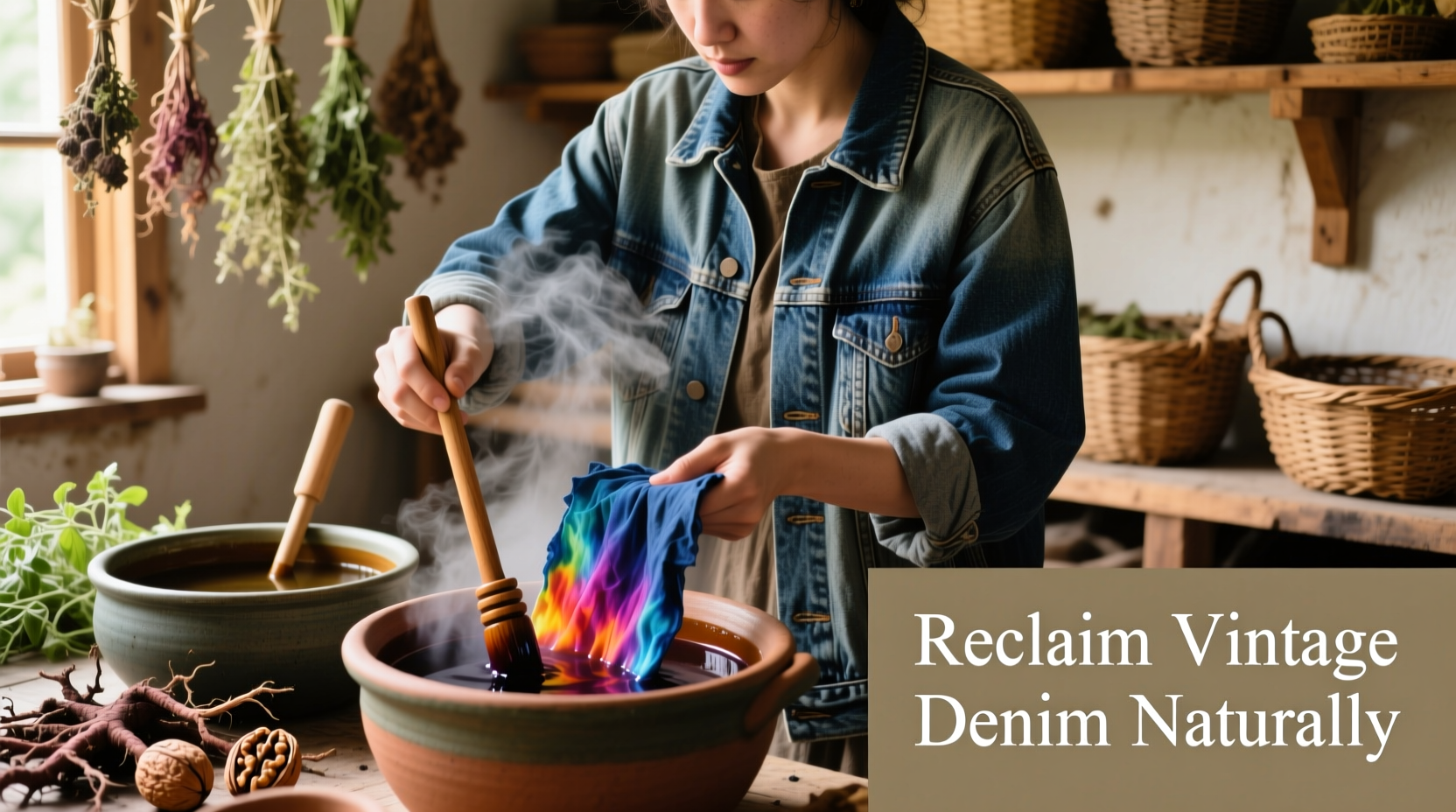
Denim is traditionally dyed with indigo, a plant-based pigment that bonds well with cotton fibers. While modern production often uses synthetic indigo, the structure of the fabric remains receptive to natural dyes. Unlike chemical dyes that can degrade fibers over time, natural dyes penetrate gently and often improve fabric softness. Additionally, they offer subtle, organic variations in tone that give each jacket a unique character.
Natural dyes work best on untreated cotton and blends with high cotton content. Since most denim jackets contain at least 90% cotton, they respond well to botanical coloring agents. The fading that occurs over time actually makes the fabric more porous, allowing new dye to absorb more evenly than on brand-new denim.
“Natural dyes don’t just cover up wear—they celebrate the history of the garment while giving it a second life.” — Dr. Lila Montgomery, Textile Historian and Sustainable Fashion Researcher
Essential Materials and Preparation
Before beginning the dyeing process, gather all necessary supplies. Most items can be found in your kitchen or local grocery store, making this an accessible project for beginners.
What You’ll Need:
- A large stainless steel or enamel pot (avoid aluminum or copper)
- Distilled or filtered water (chlorine in tap water can affect dye results)
- Dye material: avocado pits and skins, yellow onion skins, black tea, or walnut hulls
- White vinegar or citric acid (as a mordant for protein-based fibers; optional for cotton)
- Wooden spoon for stirring
- Gloves (to prevent staining hands)
- Strainer or cheesecloth
- Old towel for drying
Pre-Treatment Steps:
- Clean the jacket thoroughly: Wash it with a mild detergent to remove dirt, oils, and residues that could block dye absorption.
- Soak in water: Submerge the jacket in lukewarm water for 30 minutes to ensure even saturation before dyeing.
- Check for stains or patches: If your jacket has visible repairs or different fabric patches, test the dye on a small area first to anticipate uneven results.
Step-by-Step Guide to Natural Dyeing
The following method outlines how to use common household materials to create rich, lasting color on your denim jacket. Each dye source produces a distinct hue, so choose based on the final look you desire.
1. Choose Your Dye Source
| Dye Material | Color Result | Quantity for One Jacket | Special Notes |
|---|---|---|---|
| Avocado pits and skins | Pinkish-beige to soft coral | 5–7 avocados | Color deepens over time with oxidation |
| Yellow onion skins | Warm golden tan | 2 cups packed skins | Highly lightfast; excellent for vintage tones |
| Black tea (loose leaf) | Subtle gray-brown | 8–10 tablespoons | Adds depth without overpowering indigo |
| Green walnut hulls | Rich chocolate brown | 1 cup crushed hulls | Stains easily; handle with gloves |
2. Extract the Dye
- Place your chosen dye material in a large pot and cover with 3–4 quarts of water.
- Bring to a simmer over medium heat and cook for 45–60 minutes, stirring occasionally.
- Turn off heat and let the mixture steep for another hour to maximize pigment release.
- Strain the liquid into a clean container, pressing solids to extract every bit of color.
3. Dye the Jacket
- Return the strained dye bath to the pot and add the wet jacket.
- Simmer gently for 45–60 minutes, turning the jacket every 10–15 minutes for even coverage.
- For deeper color, leave the jacket in the dye bath overnight as it cools.
- Remove and rinse under cool running water until the runoff is clear.
4. Post-Dye Care
- Air-dry the jacket away from direct sunlight to prevent premature fading.
- Do not machine dry—heat can set wrinkles and reduce dye longevity.
- Wash separately in cold water for the first few cycles to minimize color bleed.
Real Example: Reviving a 1990s Denim Classic
Sophie, a vintage clothing restorer in Portland, recently worked on a faded Levi’s trucker jacket from the early '90s. The elbows were thin, and the collar had lost nearly all its original blue. Instead of patching and re-dyeing with synthetics, she opted for a natural approach using onion skins—a material she collects from her weekly meal prep.
She simmered two cups of dried yellow onion skins in four quarts of water for an hour, then added the pre-soaked jacket. After simmering for 50 minutes and letting it steep overnight, the jacket emerged with a warm honey undertone that complemented the remaining indigo. The result was not uniform, but intentionally so—the variation gave the piece a lived-in authenticity that customers loved. Within days, the jacket sold at her boutique for 40% above average resale value.
This case illustrates how natural dyeing isn’t about perfection—it’s about transformation with character.
Common Pitfalls and How to Avoid Them
Even experienced crafters can encounter issues when working with natural dyes. Awareness of these challenges ensures better outcomes.
| Problem | Causes | Solutions |
|---|---|---|
| Uneven color | Insufficient soaking, poor agitation | Pre-soak fabric fully; stir regularly during dyeing |
| Fade after one wash | Inadequate dye extraction or rinsing | Simmer longer; avoid hot rinses |
| Staining pots or surfaces | Using reactive materials like iron or plastic | Use enamel, glass, or stainless steel only |
| Muddy colors | Over-dyeing or mixing incompatible sources | Dye one layer at a time; test combinations first |
“Patience is the most important tool in natural dyeing. Rushing the process leads to weak color and frustration.” — Rafael Torres, Botanical Dyer and Educator
FAQ: Natural Dyeing for Denim Jackets
Can I overdye a dark denim jacket?
Yes, but the base color will influence the final result. Indigo-dyed denim will mute warm tones like peach or gold. For a noticeable change, choose strong pigments like walnut hulls or multiple dipping sessions.
How long will the natural color last?
With proper care—cold washing, inside-out drying, and minimal sun exposure—natural dyes can remain vibrant for over a year. Onion skin and walnut dyes are particularly durable, while avocado pinks may soften gracefully over time, which many find aesthetically pleasing.
Is this safe for jackets with embroidery or patches?
Generally yes, but test a small area first. Patches made of synthetic fibers may not absorb dye, creating contrast. Embroidery thread can sometimes bleed or resist dye, so monitor closely during the process.
Checklist: Refreshing Your Denim Jacket Naturally
- ☐ Assess the jacket’s condition and clean thoroughly
- ☐ Choose a natural dye source based on desired color outcome
- ☐ Gather non-reactive cookware and protective gear
- ☐ Simmer dye material for at least 45 minutes
- ☐ Pre-soak jacket in water for even absorption
- ☐ Submerge jacket in cooled or warm dye bath
- ☐ Simmer or steep for 1–8 hours depending on depth needed
- ☐ Rinse in cool water until clear
- ☐ Air-dry away from sunlight
- ☐ Store properly and wash with care moving forward
Conclusion: Breathe New Life Into Old Favorites
Reviving a faded denim jacket with natural dyes is more than a DIY fix—it’s a mindful act of renewal. In a world of fast fashion and disposable clothing, choosing to restore rather than replace honors both craftsmanship and sustainability. Whether you’re drawn to the blush of avocado or the richness of walnut, each dye tells a story of regeneration.
Start small: save your next batch of onion skins, collect tea leaves, or stash avocado remnants in the freezer. When you have enough, transform them into color. Not only will your jacket gain a fresh lease on life, but you’ll also develop a deeper connection to what you wear.




 浙公网安备
33010002000092号
浙公网安备
33010002000092号 浙B2-20120091-4
Comments
No comments yet. Why don't you start the discussion?