
Bathroom tile grout is one of the most overlooked yet visible elements in a home’s interior. Over time, even the cleanest bathrooms show signs of wear in the form of dingy, discolored, or mildewed grout lines. Many homeowners assume that replacing tiles is the only way to fix this issue—but that’s far from true. With the right tools and techniques, you can dramatically improve the appearance of old grout without removing a single tile. This guide walks through proven, cost-effective methods to restore your grout to near-new condition, extend its lifespan, and maintain a fresh, hygienic bathroom environment.
Why Grout Deteriorates Over Time
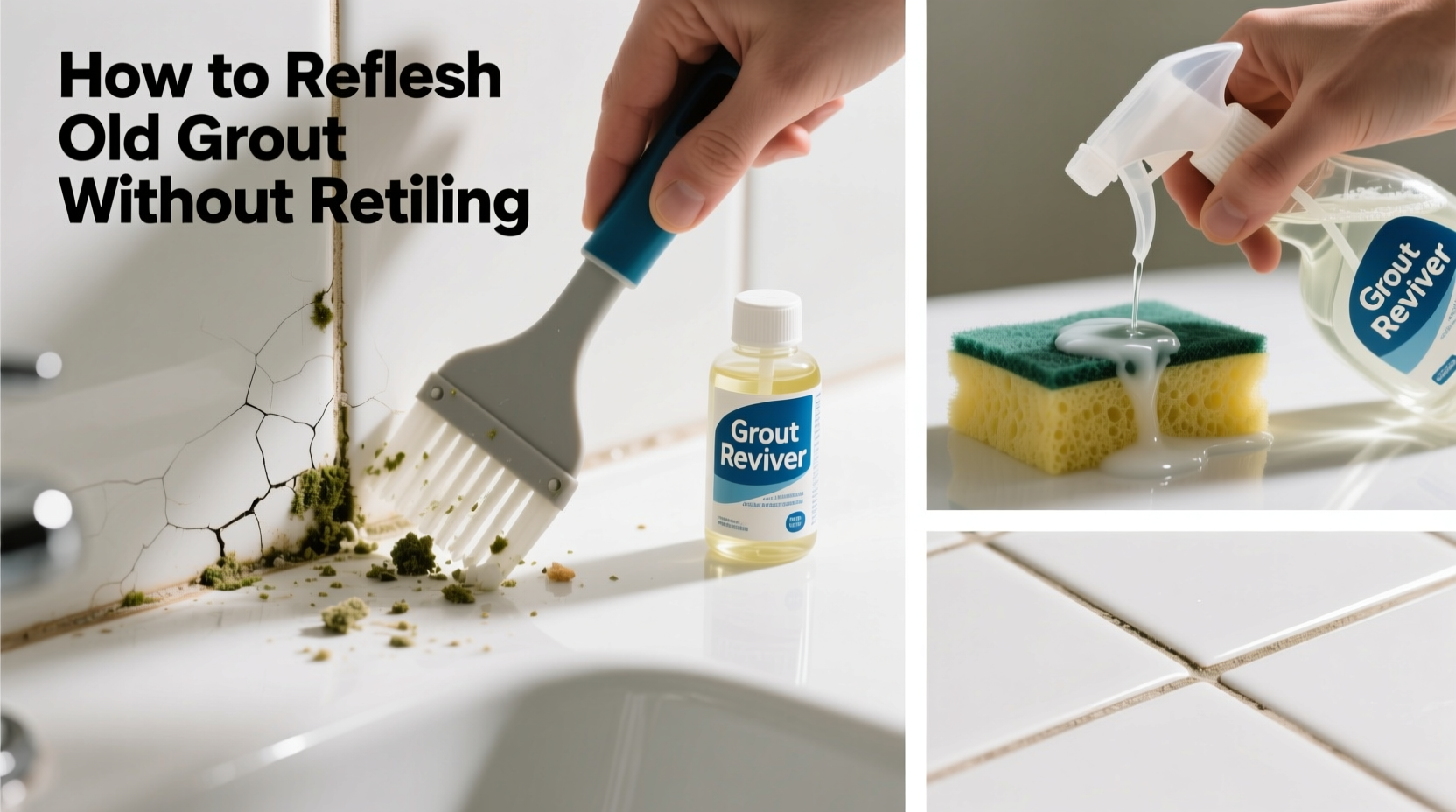
Grout, typically made from cement, sand, and water, is porous by nature. This porosity makes it vulnerable to moisture absorption, which leads to staining, mold growth, and eventual breakdown. In high-humidity areas like bathrooms, these issues accelerate. Everyday exposure to soap scum, hard water minerals, and body oils further darkens grout lines. Without proper sealing, grout becomes a magnet for dirt and bacteria.
Additionally, foot traffic and frequent cleaning with abrasive chemicals degrade grout over time. Cracks may develop, allowing more moisture to penetrate beneath the tile surface, which can lead to structural damage if left unaddressed. However, early intervention—before irreversible damage occurs—can save both time and money.
“Most grout problems stem not from poor installation but from lack of maintenance. A sealed grout line can resist stains and moisture for years.” — Marcus Lin, Tile and Surface Restoration Specialist
Step-by-Step Guide to Refreshing Old Grout
Refreshing grout doesn’t require demolition or professional tiling skills. The process involves deep cleaning, repairing minor damage, and applying protective treatments. Follow this timeline-based approach for optimal results:
- Day 1: Clean and Prep
Remove surface dirt, mildew, and soap residue using a pH-neutral cleaner or oxygen bleach solution. Avoid chlorine bleach on colored grout, as it can cause fading. - Day 2: Deep Clean and Disinfect
Apply a dedicated grout cleaner or steam clean joints to extract embedded grime. Scrub with a stiff nylon brush (never metal) to avoid scratching tiles. - Day 3: Repair Damaged Areas
Use premixed grout repair paste to fill small cracks or crumbling sections. Smooth with a damp fingertip or grout float. - Day 4: Apply Grout Colorant or Stain
If discoloration persists, use a topical grout colorant to recolor the entire surface uniformly. - Day 5: Seal for Long-Term Protection
Once fully dry, apply a penetrating sealer to repel moisture and prevent future staining.
Choosing the Right Method Based on Grout Condition
Not all grout problems are the same. The best approach depends on the current state of your grout. Below is a comparison of three common conditions and recommended solutions:
| Grout Condition | Solution | Expected Results | Cost Estimate |
|---|---|---|---|
| Slightly stained, no cracks | Deep cleaning + sealing | Restores brightness and protection | $15–$30 |
| Heavily stained, mold present | Oxygen bleach treatment + grout colorant | Uniform color, sanitized surface | $40–$70 |
| Crumbling, cracked, or missing | Spot repair + full resurfacing with epoxy colorant | Durable, waterproof finish | $60–$100 |
For light to moderate wear, cleaning and sealing often suffice. But when discoloration is too deep or widespread, grout colorants offer a transformative alternative without regrouting.
Using Grout Colorants for a Like-New Finish
Grout colorants are liquid dyes designed to bond with existing grout, creating a new, uniform appearance. They come in a variety of shades—white, gray, beige, and even custom colors—allowing you to modernize your tile aesthetic. Unlike traditional regrouting, colorants don’t require removing old material.
The process begins after thorough cleaning and drying. Apply the colorant with a small foam brush or applicator bottle, working in small sections. Most products require two coats for even coverage. Once dry, the colorant forms a stain-resistant film that mimics the look of freshly applied grout.
Epoxy-based colorants are particularly effective because they are non-porous and highly resistant to moisture and cleaning agents. While slightly more expensive than water-based options, they last significantly longer—up to 10–15 years under normal bathroom conditions.
- Ensure grout is completely dry before application (at least 24 hours post-cleaning).
- Mask adjacent tiles with painter’s tape to prevent accidental staining.
- Stir the colorant thoroughly before and during use to maintain consistency.
- Allow 24–48 hours of curing time before exposing to moisture.
Mini Case Study: Reviving a 15-Year-Old Bathroom
In suburban Chicago, homeowner Lisa Reynolds faced a persistent grout problem in her master bathroom. Installed in 2009, the off-white ceramic tiles had developed deep black streaks along the floor grout lines due to years of steam showers and inconsistent cleaning. She considered retile the entire floor—a project estimated at $1,800—but instead opted for a DIY refresh.
Lisa began by scrubbing the grout with an oxygen bleach solution (OxiClean diluted in warm water), using a battery-powered oscillating tool with a grout brush attachment. After two days of cleaning and rinsing, much of the surface mold was gone, but the grout remained unevenly stained.
She then applied a gray epoxy grout colorant, choosing a tone slightly darker than the original to hide future imperfections. Using a precision tip bottle, she filled each joint carefully. After 48 hours of drying, she applied a silicone-based grout sealer.
The result? A bathroom that looked professionally renovated—at a total cost of $65 and less than six hours of labor. “I get compliments every time someone sees the floor,” Lisa said. “It looks like we just remodeled.”
Essential Tools and Products Checklist
To successfully refresh your grout, gather the following supplies before beginning:
- Oxygen bleach or pH-neutral grout cleaner
- Nylon grout brush or electric detail brush
- Spray bottle for applying cleaning solutions
- Premixed grout repair compound (for damaged areas)
- Grout colorant (water-based or epoxy)
- Foam brushes or applicator bottles
- Penetrating grout sealer (silicone or fluoropolymer-based)
- Microfiber cloths for wiping and polishing
- Protective gloves and eye wear
- Painter’s tape (to protect tile edges)
Having all materials ready ensures a smooth workflow and prevents mid-project delays. Always read product labels for compatibility and safety instructions.
Do’s and Don’ts of Grout Maintenance
Mistakes during cleaning or sealing can worsen grout condition. Follow this guide to avoid common pitfalls:
| Do’s | Don’ts |
|---|---|
| Use pH-neutral cleaners regularly | Use vinegar or acidic cleaners on cementitious grout |
| Reseal grout every 1–2 years | Apply sealer to dirty or damp grout |
| Vacuum or sweep tiled floors frequently | Scrub with steel wool or harsh abrasives |
| Fix cracks immediately to prevent water damage | Ignore mold or efflorescence (white powdery residue) |
| Use a squeegee after showers to reduce moisture buildup | Allow standing water to pool on tiled surfaces |
Consistent care prevents the need for intensive restoration later. Even minimal effort—like wiping down walls after a shower—can significantly extend grout life.
FAQ: Common Questions About Grout Refreshing
Can I change my grout color without removing it?
Yes. Grout colorants allow you to change or enhance the color of existing grout without chiseling it out. These sealers bond chemically with the grout surface and are available in multiple shades. For best results, choose a color that is darker than your current grout to minimize visibility of future stains.
How long does a grout refresh last?
A properly cleaned and sealed grout line can stay fresh for 2–5 years. When using epoxy-based colorants and high-quality sealers, durability increases to 10+ years, especially in low-traffic areas. Regular maintenance, such as avoiding harsh cleaners and reapplying sealer annually, extends longevity.
Is it safe to use bleach on bathroom grout?
Occasional use of chlorine bleach is acceptable for white grout to kill mold and brighten discoloration, but it should be rinsed thoroughly and not used frequently. Bleach degrades grout over time and can weaken its structure. Oxygen bleach (sodium percarbonate) is a safer, eco-friendly alternative that releases hydrogen peroxide when mixed with water, effectively cleaning without damaging the grout.
Conclusion: Restore Your Bathroom’s Beauty Without Demolition
Outdated or dirty grout doesn’t mean your bathroom is beyond saving. With careful cleaning, targeted repairs, and the strategic use of colorants and sealers, you can achieve a dramatic transformation without the mess, cost, or disruption of retiling. These methods are accessible to DIYers of all skill levels and deliver professional-looking results.
Start small—tackle one wall or a section of flooring—and build confidence as you see progress. Not only will your space look cleaner and more modern, but you’ll also improve hygiene and prevent long-term water damage. A well-maintained grout line is more than cosmetic; it’s a critical barrier protecting your home’s structure.




 浙公网安备
33010002000092号
浙公网安备
33010002000092号 浙B2-20120091-4
Comments
No comments yet. Why don't you start the discussion?