
Bread is one of the most beloved staples in kitchens around the world. Yet, its short shelf life often leads to premature staling and unnecessary waste. Instead of tossing that dry loaf into the trash, consider this: stale bread isn’t spoiled—it’s simply dehydrated. With a few clever techniques and creative recipes, you can breathe new life into old bread or repurpose it into something even more delicious than before. This guide explores practical ways to revive stale bread and transform it into satisfying dishes, helping you save money, reduce food waste, and elevate your cooking game.
The Science Behind Stale Bread
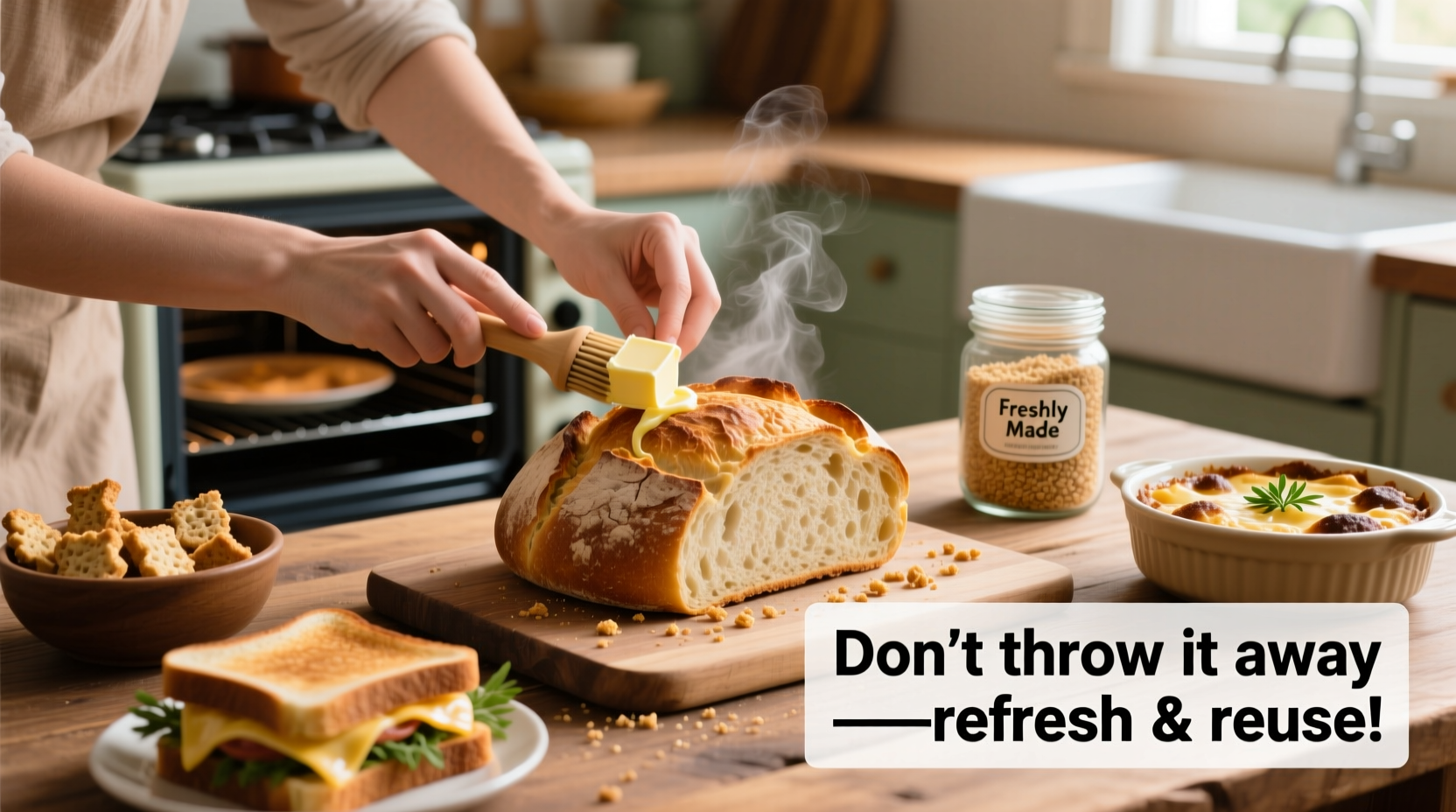
Contrary to popular belief, staling isn't caused by drying out alone. It's primarily due to a process called retrogradation, where starch molecules in bread recrystallize after cooling, making the crumb firm and chewy. This happens faster at refrigerator temperatures than at room temperature. Freezing slows the process significantly, which is why freezing is the best long-term storage method for bread you won’t consume within two days.
Because staling is structural rather than microbial (unless mold appears), stale bread is perfectly safe to eat. In fact, many traditional recipes actually call for slightly dried bread because it absorbs liquids better and holds up under heat.
How to Refresh Stale Bread in Minutes
If your bread has lost its softness but shows no signs of mold, reviving it is quick and easy. The goal is to reintroduce moisture and briefly reheat to restore texture.
- Spritz and Bake: Lightly dampen the crust with water using a spray bottle. Wrap the loaf or slice in aluminum foil and bake at 300°F (150°C) for 5–10 minutes. The steam created inside the foil rehydrates the crumb.
- Microwave Method (for single servings): Place a slice on a microwave-safe plate with a cup of water beside it. Heat on medium power for 10–15 seconds. The water helps prevent over-drying while the heat softens the starch.
- Steam Reheat: For artisanal loaves like sourdough or baguettes, place the bread directly on the oven rack with a pan of boiling water on the lower rack. The ambient steam restores crispness and softness in about 5 minutes.
These methods work best on bread that’s 1–3 days old. Beyond that, the structure may be too degraded for full revival—but don’t despair. That’s when creative reuse becomes your best tool.
Delicious Ways to Repurpose Stale Bread
Across cultures, stale bread is not wasted—it’s celebrated. From Italian panzanella to French croûtes, many iconic dishes were born from resourcefulness. Here are some of the tastiest ways to give stale bread a second act.
1. Make Homemade Croutons
Crispy, golden croutons add texture and flavor to salads, soups, and casseroles. They’re simple to make and customizable with herbs and spices.
“Croutons made from day-old bread aren’t just economical—they have better structure and crunch than store-bought ones.” — Chef Marcus Tran, Culinary Instructor
Basic Crouton Recipe:
- Cut bread into ¾-inch cubes.
- Toss with olive oil, salt, garlic powder, and fresh herbs (like rosemary or thyme).
- Bake at 375°F (190°C) for 12–18 minutes, turning once, until golden and crisp.
2. Bake Bread Pudding
A classic comfort dish, bread pudding transforms stale bread into a rich, custardy dessert or savory entrée. The bread acts as a sponge, soaking up creamy mixtures of eggs, milk, sugar, and flavorings.
Sweet Version: Combine cubed bread with a mixture of eggs, milk, brown sugar, vanilla, cinnamon, and raisins. Bake at 350°F (175°C) for 45 minutes until set. Serve warm with whipped cream.
Savory Option: Use crusty bread with sautéed onions, cheese (like Gruyère), spinach, and a custard base. Perfect for brunch or dinner.
3. Prepare Panzanella (Italian Bread Salad)
This Tuscan summer staple turns stale bread into a refreshing salad. The bread soaks up tomato juices and vinaigrette, becoming tender yet substantial.
How to Make It:
- Cube day-old rustic bread and lightly toast it.
- Combine with ripe tomatoes, cucumber, red onion, basil, and capers.
- Dress generously with olive oil, red wine vinegar, salt, and pepper.
- Let sit for 20–30 minutes before serving to allow the bread to absorb flavors.
4. Create Thickeners and Binders
Stale bread is excellent for thickening soups and sauces naturally. Italians use it in ribollita, a hearty vegetable soup, where bread breaks down and enriches the broth.
You can also blend dry bread into breadcrumbs or use small amounts to bind meatballs, veggie burgers, or stuffing. Simply pulse in a food processor until fine, then incorporate into your recipe.
Smart Storage Tips to Prevent Waste
Prevention is the first step toward minimizing bread waste. Understanding proper storage extends freshness and gives you more time to use it creatively.
| Storage Method | Shelf Life | Best For | Drawbacks |
|---|---|---|---|
| Pantry (paper/cloth bag) | 2–3 days | Fresh consumption, crusty breads | Short window; attracts pests if not sealed |
| Plastic bag (sealed) | 4–5 days | Soft sandwich bread | Traps moisture—may promote mold |
| Freezer (wrapped tightly) | Up to 3 months | Long-term preservation | Needs thawing; texture changes slightly |
| Refrigerator | Not recommended | None | Speeds up staling due to starch retrogradation |
Real Example: Maria’s Zero-Waste Kitchen
Maria, a home cook from Portland, used to throw away nearly half her weekly bread purchases. After learning about bread revival techniques, she changed her approach. Now, she freezes half her sourdough loaf immediately after buying it. The other half goes into a linen bread bag on her counter.
By day three, if unused, she cuts it into cubes and makes croutons or prepares a batch of strata—a baked egg casserole—for Sunday brunch. Leftover pieces become breadcrumbs stored in a jar. Over six months, Maria reduced her kitchen waste by 30%, saving about $75 on groceries.
“I used to think stale bread was garbage,” she says. “Now I see it as an ingredient waiting to shine.”
Checklist: What to Do When Bread Goes Stale
Follow this actionable checklist to handle stale bread wisely:
- ✅ Check for mold—discard if present.
- ✅ Assess texture—is it dry but intact? Proceed to revive or repurpose.
- ✅ Try the spritz-and-bake method for quick refresh.
- ✅ Decide: eat now, freeze for later, or repurpose.
- ✅ Choose a reuse idea: croutons, pudding, panzanella, etc.
- ✅ Store leftovers properly (e.g., freeze breadcrumbs in a labeled container).
Frequently Asked Questions
Can I still eat bread that’s hard but has no mold?
Yes. Hardness indicates staling, not spoilage. As long as there’s no discoloration, fuzzy spots, or off smells, it’s safe to eat and ideal for cooking.
Is frozen bread as good as fresh?
Nearly. Freezing halts staling and preserves quality. Thaw at room temperature or toast straight from frozen. Texture remains close to fresh, especially in cooked dishes.
Can I use moldy bread if I cut off the moldy part?
No. Mold roots penetrate deeper than visible spots, and some produce harmful mycotoxins. Discard the entire loaf, including nearby pieces that may have been contaminated.
Conclusion: Turn Waste Into Wonder
Stale bread doesn’t mean the end of its usefulness—it’s often just the beginning. Whether you’re reviving a crusty baguette with steam or crafting a decadent bread pudding, every technique turns potential waste into culinary opportunity. These methods aren’t just frugal; they connect us to generations of cooks who valued resourcefulness and flavor in equal measure.
Next time you reach for the trash can, pause and ask: *What can I make with this instead?* A simple shift in mindset can lead to richer meals, less waste, and a more sustainable kitchen.




 浙公网安备
33010002000092号
浙公网安备
33010002000092号 浙B2-20120091-4
Comments
No comments yet. Why don't you start the discussion?