
Accidentally dripping candle wax on your carpet is more common than you might think—especially during cozy evenings, holiday gatherings, or romantic dinners. While the wax itself may seem harmless at first, it can quickly become a stubborn stain if not treated properly. The key isn’t just removing the wax; it’s doing so without damaging or discoloring the carpet fibers. Improper techniques can lead to frayed threads, color fading, or even permanent marks. Fortunately, with the right tools and approach, you can restore your carpet to its original condition safely and efficiently.
Understanding the Challenge of Wax on Carpet
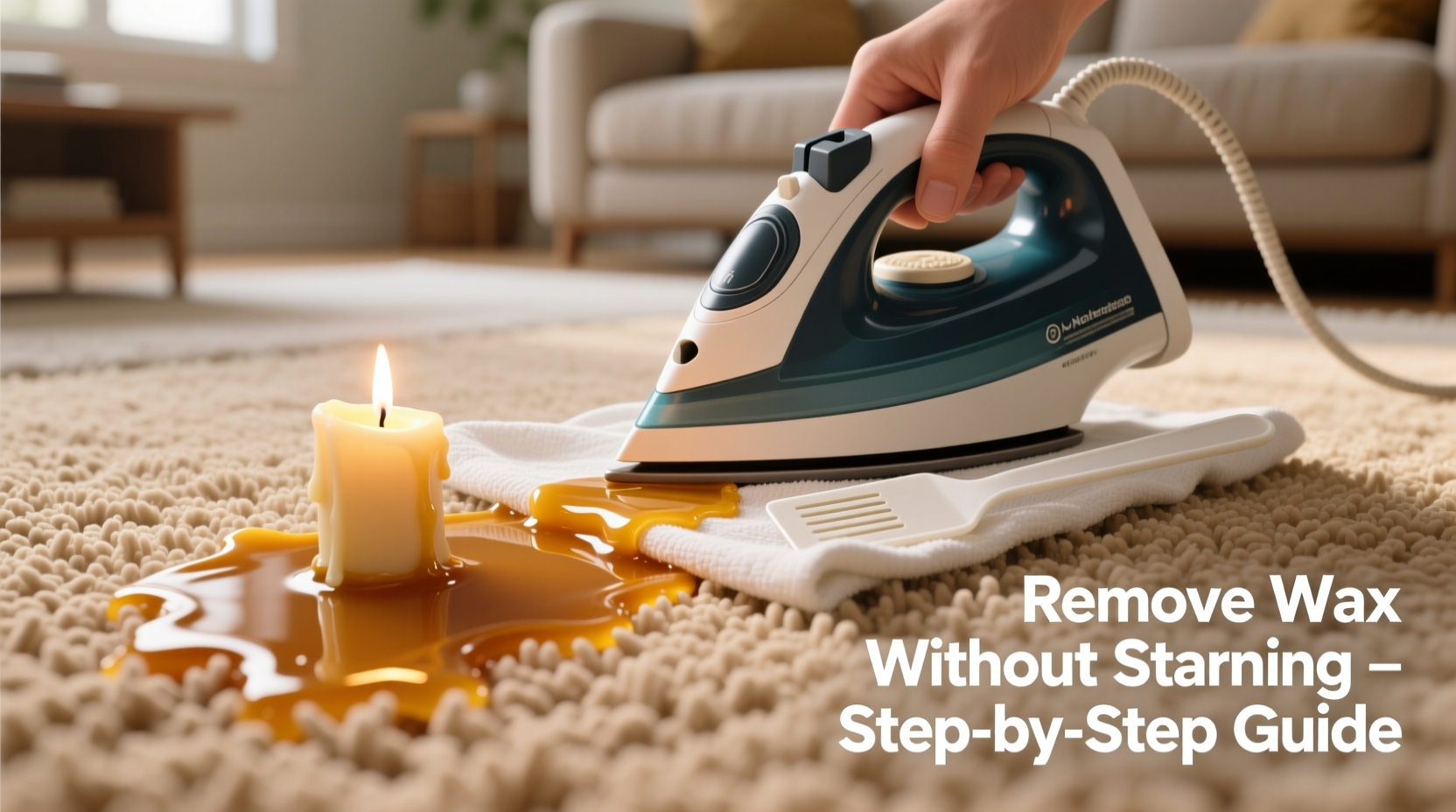
Candle wax behaves differently than liquid spills. It solidifies upon cooling, trapping within carpet fibers rather than soaking through. This makes mechanical removal part of the process—but heat must be applied carefully to avoid melting the wax deeper into the backing or setting dyes in synthetic carpets. Natural fibers like wool are especially sensitive to high temperatures and harsh solvents.
The goal is to lift the wax cleanly while preserving fiber integrity. Rushing the process or using inappropriate cleaners (like boiling water or acetone) can cause shrinkage, discoloration, or textural damage. Patience and precision matter. Most successful methods combine controlled heat, absorbent materials, and gentle cleaning agents compatible with your carpet type.
Step-by-Step Guide to Safely Remove Candle Wax
Follow this detailed procedure to eliminate wax without harming your carpet. Each step is designed to minimize stress on fibers while maximizing removal efficiency.
- Let the wax cool completely. Attempting removal while warm increases smearing risk. Wait several hours if needed.
- Blot excess oil residue (if applicable). Some candles contain oils that separate. Use a clean white cloth to gently press and absorb any oily film around the wax pool.
- Scrape off bulk wax with a dull knife. Hold the blade at a low angle and gently lift flakes upward. Avoid sawing motions. Stop when only a thin film remains embedded in fibers.
- Place paper towels over the area. Use two or three layers of plain, unprinted paper towels. Avoid recycled or colored paper which may transfer ink.
- Apply heat with an iron on low setting. Set the iron to “low” or “synthetic” (no steam). Hover it about half an inch above the paper for 5–10 seconds at a time. The wax will melt and wick into the paper. Replace paper as it becomes saturated.
- Alternate sides of the paper towel. Flip or shift the paper frequently to use fresh absorbent areas. Continue until no more wax transfers.
- Clean residual wax with a mild detergent solution. Mix one teaspoon of dish soap (like Dawn) with one cup of lukewarm water. Dip a clean cloth into the solution, wring thoroughly, and blot the spot. Do not oversaturate.
- Rinse with cold water. Dampen another cloth with plain cold water and blot to remove soapy residue.
- Dry completely with a fan or open window. Moisture left behind can encourage mold or wicking of soil back to the surface.
This method works best on most synthetic and blended carpets. For delicate or natural fiber rugs, adjust temperature settings conservatively and test all solutions in an inconspicuous area first.
Alternative: Using a Hairdryer Instead of an Iron
If you're uncomfortable using an iron near carpet, a hairdryer offers a safer, lower-heat alternative. Hold the dryer 6–8 inches from the wax and warm it gradually. As the wax softens, press paper towels onto the area to absorb the liquefied residue. Repeat heating and blotting cycles until complete. Though slower, this method reduces scorching risks significantly.
“Controlled heat application is the gold standard for wax removal. The trick is letting the carpet fibers release the wax naturally, not forcing it.” — Dr. Linda Reeves, Textile Restoration Specialist, Institute for Fabric Care
Do’s and Don’ts When Removing Wax from Carpet
| Do’s | Don’ts |
|---|---|
| Use low heat settings to prevent fiber damage | Apply direct high heat (e.g., boiling water or hot iron contact) |
| Test cleaning solutions on hidden areas first | Use bleach, acetone, or ammonia-based cleaners |
| Blot—don’t rub—to avoid spreading stains | Scrub aggressively, which can fray or pull fibers |
| Use white paper towels or coffee filters for absorption | Use printed paper or tissues that may bleed dye |
| Allow full drying before walking on the area | Leave moisture behind, inviting mildew or re-soiling |
Real Example: Fixing a Spill During a Dinner Party
Sarah hosted a small dinner and lit several taper candles on her dining room table. Midway through dessert, one tipped over, spilling hot wax across her light beige Berber carpet. She immediately extinguished the flame and let the wax harden overnight. The next morning, she used a butter knife to gently flake off the top layer, careful not to dig in. She then placed folded paper towels over the spot and passed a warm iron (set to polyester) slowly above it. After five rounds of fresh paper, the wax was nearly gone. She finished with a drop of dish soap diluted in water, blotted clean, and let the area dry for three hours. To her relief, no stain remained, and the texture matched the rest of the carpet perfectly.
Sarah’s success came from avoiding panic-driven actions—she didn’t pour hot water or use window cleaner, both of which friends had suggested. Her patience preserved the carpet’s appearance and prevented long-term damage.
Special Considerations by Carpet Type
Not all carpets respond the same way to heat and moisture. Adjust your strategy based on material composition.
- Synthetic fibers (nylon, olefin, polyester): These tolerate moderate heat well but can retain oily residues. Use a degreasing agent like isopropyl alcohol (diluted 50/50 with water) only after wax removal, and always test first.
- Wool: Highly sensitive to heat and pH shifts. Never exceed 100°F (38°C) when applying warmth. Clean with wool-safe shampoo instead of dish soap.
- Blends: Treat as the most delicate component. If unsure, assume wool-like sensitivity.
- Low-pile vs. high-pile: Low-pile carpets allow easier wax extraction. High-pile or shag rugs may require lifting individual strands with tweezers after softening.
Frequently Asked Questions
Can I use a steam cleaner to remove candle wax?
Steam cleaners can help loosen residual wax after initial removal but should not be used as the primary method. High-pressure steam may push melted wax deeper into padding, leading to re-emergence later. Use only after scraping and heat-absorbing steps are complete, and ensure thorough drying afterward.
Will vinegar remove candle wax from carpet?
Vinegar alone won’t dissolve solid wax, but it can assist in breaking down oily remnants after the bulk has been removed. Mix equal parts white vinegar and water, apply lightly to the area after wax extraction, then blot and rinse. Avoid using vinegar on wool or stone-based flooring underneath, as acidity can degrade these materials.
What if the carpet is still stained after removing the wax?
If a colored stain persists, it likely means dyes from the candle have bonded with fibers. In such cases, use a carpet-specific color-safe stain remover. Apply per instructions, wait the recommended dwell time, and blot. For persistent discoloration, consult a professional cleaner—especially if the carpet is valuable or large-area.
Checklist: Complete Wax Removal Process
- ✔ Allow wax to cool fully
- ✔ Scrape off surface wax gently with a dull tool
- ✔ Place 2–3 layers of white paper towel over residue
- ✔ Apply low heat via iron or hairdryer in short bursts
- ✔ Replace paper as it absorbs wax
- ✔ Treat remaining film with mild detergent solution
- ✔ Rinse with clean, damp cloth
- ✔ Dry completely before use
- ✔ Inspect under natural light for lingering residue
Completing each step ensures maximum effectiveness and minimizes the chance of recurrence or fiber damage.
Prevention Tips to Avoid Future Wax Spills
While accidents happen, simple precautions reduce the likelihood of future incidents:
- Use candles with stable bases or holders that prevent tipping.
- Trim wicks to ¼ inch to reduce flare-ups and dripping.
- Avoid placing lit candles near edges of tables or high-traffic zones.
- Consider flameless LED alternatives for decorative lighting.
- Place candles on heat-resistant trays lined with foil or stone.
In homes with children or pets, switching to battery-operated options eliminates fire and spill risks entirely, while maintaining ambiance.
Conclusion: Act Quickly, Act Wisely
Removing candle wax from carpet doesn’t require expensive products or professional help in most cases—but it does demand care and attention to detail. By understanding how wax interacts with carpet fibers and following a systematic, gentle approach, you can eliminate the mess without leaving a trace. Whether you choose the iron-and-paper method or opt for a cooler hairdryer technique, consistency and caution are your best allies. Remember, the longer wax sits, the harder it becomes to extract cleanly. Immediate action, combined with the right tools, preserves both the beauty and longevity of your flooring.




 浙公网安备
33010002000092号
浙公网安备
33010002000092号 浙B2-20120091-4
Comments
No comments yet. Why don't you start the discussion?