
Gel manicures offer long-lasting color, shine, and resistance to chipping—often lasting two to three weeks with minimal wear. But when it’s time to take it off, many people reach for acetone, not realizing that repeated exposure can severely dry out the nail plate, weaken the surrounding skin, and lead to brittleness or peeling. For those seeking healthier alternatives, removing gel polish without acetone damage is not only possible but also essential for maintaining strong, resilient nails. This guide provides safe, effective, and dermatologist-backed methods to dissolve and lift gel polish at home—without compromising nail health.
Why Acetone Damages Nails—and What to Watch For
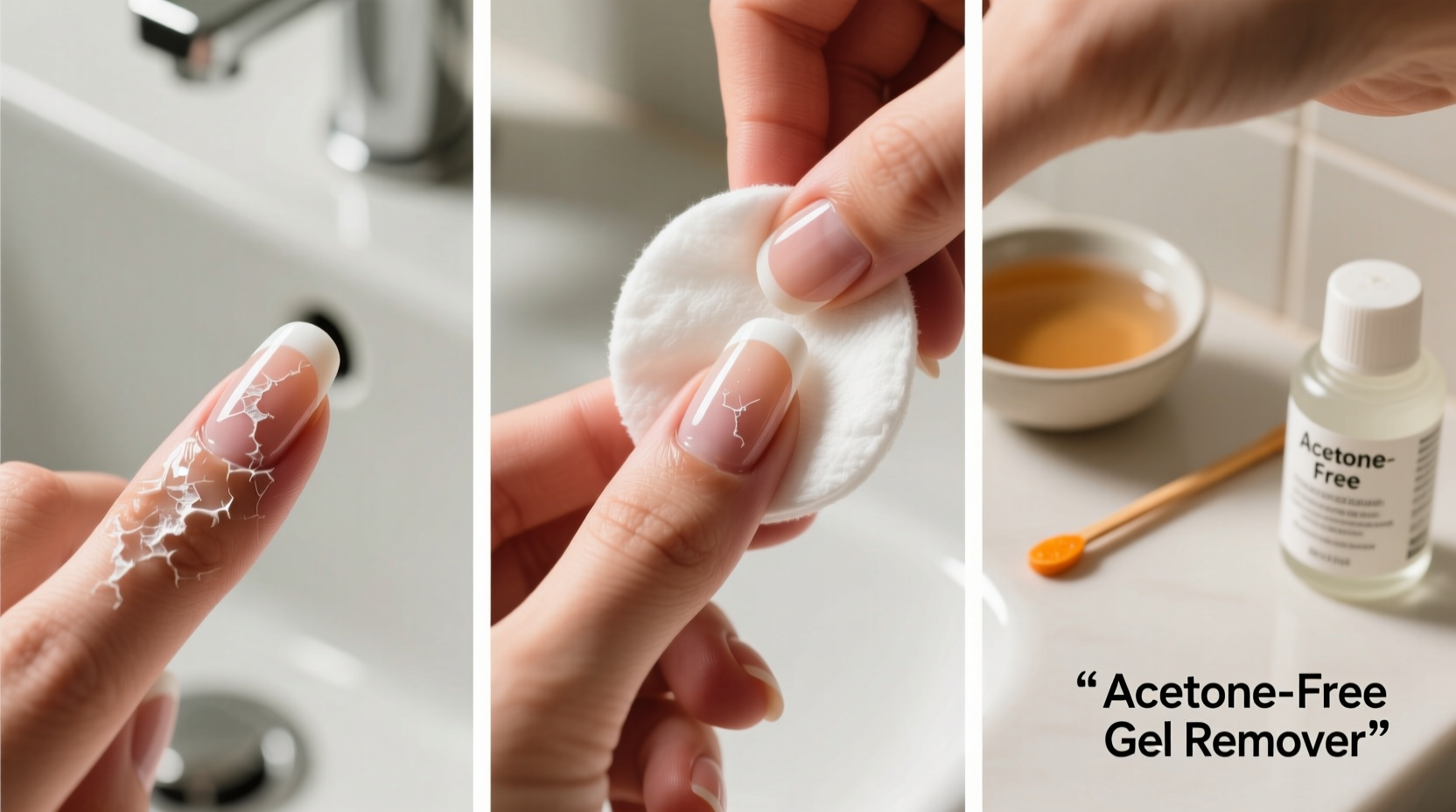
Acetone is a powerful solvent commonly used in nail polish removers because of its ability to break down tough polymers in gel polish quickly. However, this strength comes at a cost. When applied directly to the nail surface or cuticles, acetone strips away natural oils, dehydrates keratin fibers, and disrupts the protective moisture barrier. Over time, this leads to:
- Nail thinning and increased flexibility
- Horizontal ridges or splitting
- Cuticle inflammation and cracking
- Increased sensitivity to temperature and pressure
Dermatologists caution against frequent use of pure acetone, especially on already compromised nails. “Repeated acetone exposure is one of the leading causes of preventable nail dystrophy,” says Dr. Lena Reyes, a board-certified dermatologist specializing in nail disorders. “Patients come in with lifting layers and extreme dryness—all from weekly salon-style removals done at home with harsh solvents.”
“Repeated acetone exposure is one of the leading causes of preventable nail dystrophy.” — Dr. Lena Reyes, Dermatologist
The good news? You don’t need acetone to remove gel polish effectively. With patience and the right tools, you can achieve clean, healthy results using gentler methods.
Step-by-Step: How to Remove Gel Polish Without Acetone
Removing gel polish without acetone requires more time than traditional soaking, but the payoff is stronger, hydrated nails. The process relies on softening agents, mechanical exfoliation, and protective barriers to gently lift the polish without forceful scraping or chemical stripping.
- Buff the Top Layer Gently
Use a fine-grit (180/240) buffer to lightly abrade the glossy topcoat. This breaks the seal and allows removers to penetrate. Avoid pressing hard—your goal is micro-scratching, not thinning the nail. - Apply Oil-Based Soak-Off Medium
Saturate cotton pads with warm olive oil, coconut oil, or a commercial non-acetone gel remover. Place each pad over a nail and wrap tightly with aluminum foil. Let sit for 15–20 minutes. - Check Softening Progress
After 15 minutes, unwrap one finger. If the polish lifts easily with a wooden stick, proceed. If still firm, re-wrap and wait another 10 minutes. - Push Off Gently with a Cuticle Stick
Using an orangewood stick or rubber-tipped pusher, slide under the softened edge. Never pry or scrape aggressively. Let the softened polish slide off in sheets. - Rinse and Rehydrate
Wash hands with mild soap, then apply a thick layer of cuticle oil and hand cream. Massage into nails and surrounding skin to restore moisture.
Best Non-Acetone Alternatives and Their Effectiveness
Not all acetone-free removers work equally well. Some rely solely on water-based formulas that fail to penetrate cured gel, while others combine emollients with mild esters to loosen adhesion. Below is a comparison of popular options based on efficacy, safety, and accessibility.
| Method | Active Ingredients | Time Required | Nail Safety Rating (1–5) |
|---|---|---|---|
| Coconut Oil Soak | Lauric acid, vitamin E | 20–30 min | 5 |
| Olive Oil + Lemon Juice | Fatty acids, citric acid | 25 min | 4 |
| Commercial Non-Acetone Remover | Ethyl acetate, isopropyl alcohol | 15–20 min | 3 |
| Baking Soda Paste | Sodium bicarbonate, water | 10 min scrubbing | 2 |
| Warm Water Soak Only | None | 30+ min (rarely effective) | 5 |
As shown, natural oils rank highest in safety and effectiveness. While they require longer soak times, they simultaneously nourish the nail during removal. In contrast, baking soda, though accessible, is abrasive and can scratch the nail surface if scrubbed too vigorously.
Real Example: A Client’s Recovery Journey
Jamie, a 32-year-old graphic designer, had been doing bi-weekly gel manicures at home for over two years. She used 100% acetone and foil wraps every time, often leaving the solution on for 25 minutes to ensure full removal. After several months, her nails began peeling in layers, and her cuticles cracked frequently.
She consulted a nail technician who advised switching to an oil-based removal method. Jamie began using warmed coconut oil wrapped in foil for 20 minutes, followed by gentle pushing with a rubber-tipped tool. Within four weeks, her nails stopped peeling. By week eight, she noticed visible regrowth of smoother, thicker nail plates.
“I was skeptical at first—coconut oil felt too gentle,” Jamie said. “But seeing my nails heal made me realize I’d been treating them like disposable surfaces instead of living tissue.”
Essential Tips for Preventing Damage During Removal
Avoiding acetone is only part of the solution. Nail trauma often occurs not from the solvent itself, but from improper technique. Follow these best practices to protect your nails throughout the process.
- Don’t rush the soak: Extending soak time reduces the need for aggressive removal.
- Maintain hydration between manicures: Apply cuticle oil daily, especially after washing hands.
- Avoid peeling or picking: Lifting polish manually tears layers of the nail plate.
- Limit gel use frequency: Allow at least 5–7 days of bare-nail recovery between applications.
- Trim carefully: File in one direction only to prevent splitting.
Additionally, consider alternating gel manicures with breathable, water-based polishes that allow oxygen and moisture to pass through the film.
Checklist: Safe Gel Polish Removal Routine
Follow this checklist each time you remove gel polish to ensure maximum nail protection:
- ✅ Lightly buff the surface to break the seal
- ✅ Choose a nourishing oil or acetone-free remover
- ✅ Warm the oil slightly for better absorption
- ✅ Wrap each finger individually in foil for 15–25 minutes
- ✅ Use a wooden or rubber-tipped pusher—not metal—to lift softened polish
- ✅ Wash hands gently with pH-balanced soap
- ✅ Apply cuticle oil and hand cream immediately
- ✅ Wait at least 3 days before reapplying any polish
Sticking to this routine minimizes stress on the nail matrix and supports long-term resilience.
FAQ: Common Questions About Acetone-Free Removal
Can I use baby oil to remove gel polish?
Yes, but less effectively than thicker oils like coconut or olive. Baby oil (mineral oil) lacks fatty acids that help break down polymer bonds. It may require longer soaking and multiple sessions for complete removal.
How do I know if the gel is fully removed?
After pushing off the bulk, examine the nail under bright light. Any remaining cloudy or sticky residue indicates leftover gel. Reapply oil and repeat the process. A smooth, matte surface means the nail is clean.
Is it safe to file off gel polish instead of soaking?
No. Filing through the entire thickness of gel polish removes layers of the natural nail along with it. This practice, known as “drilling,” is discouraged by dermatologists and can lead to permanent thinning. Always soften before removal.
Final Thoughts: Prioritize Nail Health Over Speed
Removing gel polish without acetone damage isn’t about finding a magic shortcut—it’s about shifting your mindset from quick fixes to sustainable care. Healthy nails are the foundation of any beautiful manicure, and sacrificing them for convenience leads to long-term consequences.
By adopting gentler removal methods, respecting your nail’s natural cycle, and investing time in proper aftercare, you can enjoy vibrant color without the cost of weakened, brittle nails. The extra 10 minutes spent soaking in nourishing oil today could mean years of stronger growth tomorrow.




 浙公网安备
33010002000092号
浙公网安备
33010002000092号 浙B2-20120091-4
Comments
No comments yet. Why don't you start the discussion?