
Ink stains on clothing are among the most frustrating mishaps—whether it’s a leaky pen in your pocket or a child's artistic experiment gone awry. The good news is that you don’t need bleach to tackle them. In fact, bleach can set certain types of ink deeper into fabric fibers or damage delicate materials like silk and wool. With the right approach and common household products, fresh and even older ink stains can be effectively removed without compromising the integrity of your garments.
The key lies in acting quickly, identifying the type of ink and fabric, and choosing a removal method that breaks down the stain gently but thoroughly. This guide walks through scientifically backed, practical solutions using everyday items such as rubbing alcohol, hairspray, milk, and hand sanitizer—all without resorting to harsh chemicals.
Understanding Ink Stains and Fabric Types
Not all ink is created equal. Ballpoint pen ink, gel ink, marker ink, and printer toner each have different chemical compositions. Most ballpoint inks are oil-based, making them hydrophobic and resistant to water alone. Gel inks often contain dyes suspended in water-soluble gels, while permanent markers typically use alcohol-based solvents.
Fabric composition also plays a major role in how you should treat an ink stain. Natural fibers like cotton and linen absorb liquids readily, which means ink penetrates deeply if not treated immediately. Synthetic fabrics such as polyester may resist absorption initially but can still trap ink in surface layers. Delicate textiles like silk or rayon require extra caution—aggressive scrubbing or strong solvents can cause discoloration or fiber breakdown.
“Immediate action is critical. The longer ink sits, the more it bonds with fabric fibers, making removal exponentially harder.” — Dr. Linda Harper, Textile Chemist at the Institute for Fabric Care Research
Step-by-Step Guide to Removing Fresh Ink Stains
Fresh ink stains respond best to immediate treatment. Follow this timeline-based process for optimal results:
- Blot, Don’t Rub: Use a clean, dry paper towel or cloth to gently blot excess ink from the surface. Rubbing spreads the stain and pushes it deeper into the weave.
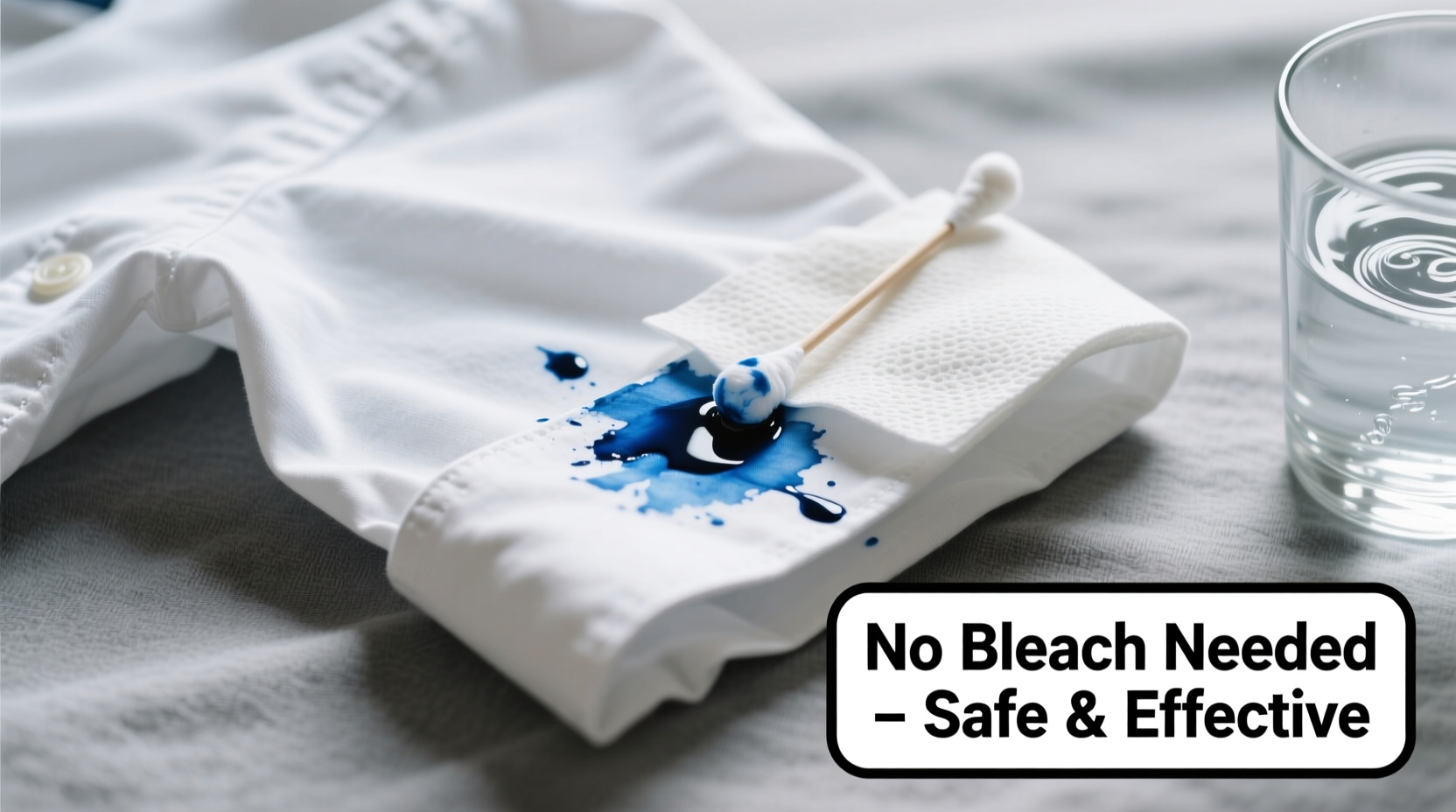
- Place a Barrier Underneath: Slide a clean rag or paper towels beneath the stained area to absorb the ink as it lifts. This prevents transfer to the other side of the fabric.
- Apply Isopropyl Alcohol (70% or higher): Dampen a cotton ball or swab with rubbing alcohol and dab it onto the stain from the outside inward to prevent spreading. Replace the backing material as it becomes saturated.
- Wait 5–10 Minutes: Allow the solvent time to break down the ink molecules.
- Rinse with Cold Water: Hold the fabric under cold running water to flush out dissolved ink. Warm or hot water can set the stain.
- Wash Normally: Launder the garment according to its care label, preferably with an enzyme-based detergent. Check the stain before drying—heat sets residual ink permanently.
- Air Dry and Inspect: If the stain remains, repeat the process before attempting another wash cycle.
Alternative Household Solutions When Alcohol Isn’t Available
If you’re out of rubbing alcohol, several common household items can serve as effective substitutes due to their solvent properties:
- Hairspray: Choose an alcohol-based formula (check ingredients). Spray lightly onto the stain, let sit for 5 minutes, then blot and rinse.
- Hand Sanitizer: Contains high concentrations of alcohol and glycerin. Apply a small amount, work gently with a toothbrush, then rinse.
- Nail Polish Remover (acetone-free): Acetone can damage some fabrics, so only use non-acetone versions and test first.
- Milk Soak: Submerge the stained area in whole milk for 30 minutes to several hours. Milk proteins bind to ink, helping lift it during washing.
Removing Set-In Ink Stains: Advanced Techniques
Older ink stains require more patience and repeated treatments. Once ink oxidizes and binds with fibers, surface-level cleaners may not penetrate deeply enough. Here’s how to address stubborn, dried-in stains:
Method: The Milk Soak Treatment
This method works especially well on cotton and linen. Whole milk contains casein, a protein that attracts and encapsulates ink particles.
- Pour enough whole milk into a bowl or sink to fully submerge the stained area.
- Soak the garment for at least 30 minutes; for older stains, leave overnight.
- After soaking, gently rub the fabric together or use a soft-bristled brush.
- Rinse thoroughly with cold water.
- Wash in the machine with oxygen-based detergent (not chlorine bleach).
Method: Baking Soda and Vinegar Paste
A mildly abrasive yet safe combination for tougher stains on durable fabrics:
- Mix two tablespoons of baking soda with one tablespoon of white vinegar to form a thick paste.
- Apply directly to the stain and let sit for 15–20 minutes.
- Gently scrub with a toothbrush using circular motions.
- Rinse completely and launder as usual.
“I’ve used the milk soak method successfully on vintage linens with decades-old ink marks. It’s gentle and surprisingly effective.” — Sarah Lin, Heritage Textile Conservator
Do’s and Don’ts: Best Practices Table
| Do’s | Don’ts |
|---|---|
| Do act quickly – Blot and treat within minutes for best results. | Don’t delay – Waiting hours allows ink to bond irreversibly. |
| Do test solvents first – Prevent color loss or fiber damage. | Don’t use acetone on synthetics – Can melt polyester or nylon. |
| Do use cold water – Hot water sets protein and dye-based stains. | Don’t put stained clothes in the dryer – Heat makes removal nearly impossible. |
| Do layer absorbent materials underneath – Prevents bleed-through. | Don’t scrub aggressively – Can distort fabric weave or spread the stain. |
Real Example: Recovering a Child’s School Shirt
A parent once contacted a local fabric care clinic after their eight-year-old returned from school with a blue ink stain across the front of a white cotton shirt. The child had sat on a leaking pen during class, and by the time the mother noticed, the ink had dried completely. Fearing ruin, she avoided washing it immediately.
She applied 91% isopropyl alcohol using a cotton pad, placed a folded towel beneath the shirt, and changed pads frequently as they absorbed ink. After 10 minutes of dabbing, she rinsed under cold water. A second round was needed, followed by a wash with OxiClean MaxForce in cold water. The shirt came out nearly stain-free and was air-dried. No damage occurred to the fabric, and the shirt remained wearable for months afterward.
This case illustrates that even significant, dried ink stains can be reversed with persistence and proper technique—no bleach required.
Checklist: How to Remove Ink Without Bleach
Action Checklist:
- ☑ Blot excess ink gently with a dry cloth
- ☑ Place absorbent material under the stain
- ☑ Test cleaning agent on hidden fabric area
- ☑ Apply rubbing alcohol, hairspray, or hand sanitizer
- ☑ Dab—not rub—the stain until ink transfers
- ☑ Rinse thoroughly with cold water
- ☑ Wash in cold water with enzyme detergent
- ☑ Air dry and inspect before rewashing or storing
- ☑ For old stains, try milk soak or baking soda paste
- ☑ Never use heat until the stain is fully gone
Frequently Asked Questions
Can I use hand sanitizer to remove ink from clothes?
Yes. Most hand sanitizers contain 60–70% alcohol, making them effective at breaking down ink. Apply a small amount directly to the stain, let it sit for 5–10 minutes, then blot and rinse with cold water before laundering.
Will vinegar alone remove ink stains?
Vinegar by itself has limited effectiveness on ink because it lacks sufficient solvent strength. However, when combined with baking soda, it creates a mild abrasive reaction that helps lift surface-level stains, especially when followed by a proper wash cycle.
What should I do if the ink stain remains after washing?
Do not dry the garment. Reapply your chosen solvent (alcohol, milk, etc.) and repeat the removal process. Multiple treatments may be necessary for deep or aged stains. Consider professional cleaning if home methods fail, particularly for delicate or expensive garments.
Conclusion: Save Your Clothes Safely and Sustainably
Removing ink stains without bleach isn’t just possible—it’s often preferable. Harsh chemicals risk damaging fabrics, fading colors, and introducing toxic residues. By relying on accessible, eco-conscious solutions like alcohol, milk, and natural pastes, you protect both your clothing and the environment.
Success hinges on prompt action, careful product selection, and patience with repeat treatments when needed. Whether it’s a favorite dress shirt, a child’s uniform, or a vintage blouse, these methods empower you to preserve garments long-term without resorting to bleach.




 浙公网安备
33010002000092号
浙公网安备
33010002000092号 浙B2-20120091-4
Comments
No comments yet. Why don't you start the discussion?