
Ink stains on a fabric couch can be one of the most distressing household accidents. Whether it’s from a leaking pen in a pocket or a child’s creative moment, these dark, stubborn marks threaten both comfort and aesthetics. While commercial stain removers are widely available, many contain harsh chemicals that may damage fabric fibers or trigger allergies. Fortunately, nature offers effective, non-toxic alternatives. With common kitchen and cleaning cabinet ingredients, you can lift ink from your couch safely and sustainably.
The key lies in understanding fabric types, acting quickly, and choosing the right method for your upholstery. This guide walks through proven natural techniques, backed by textile care principles, to help restore your couch without compromising its integrity.
Understanding Fabric Types and Ink Behavior
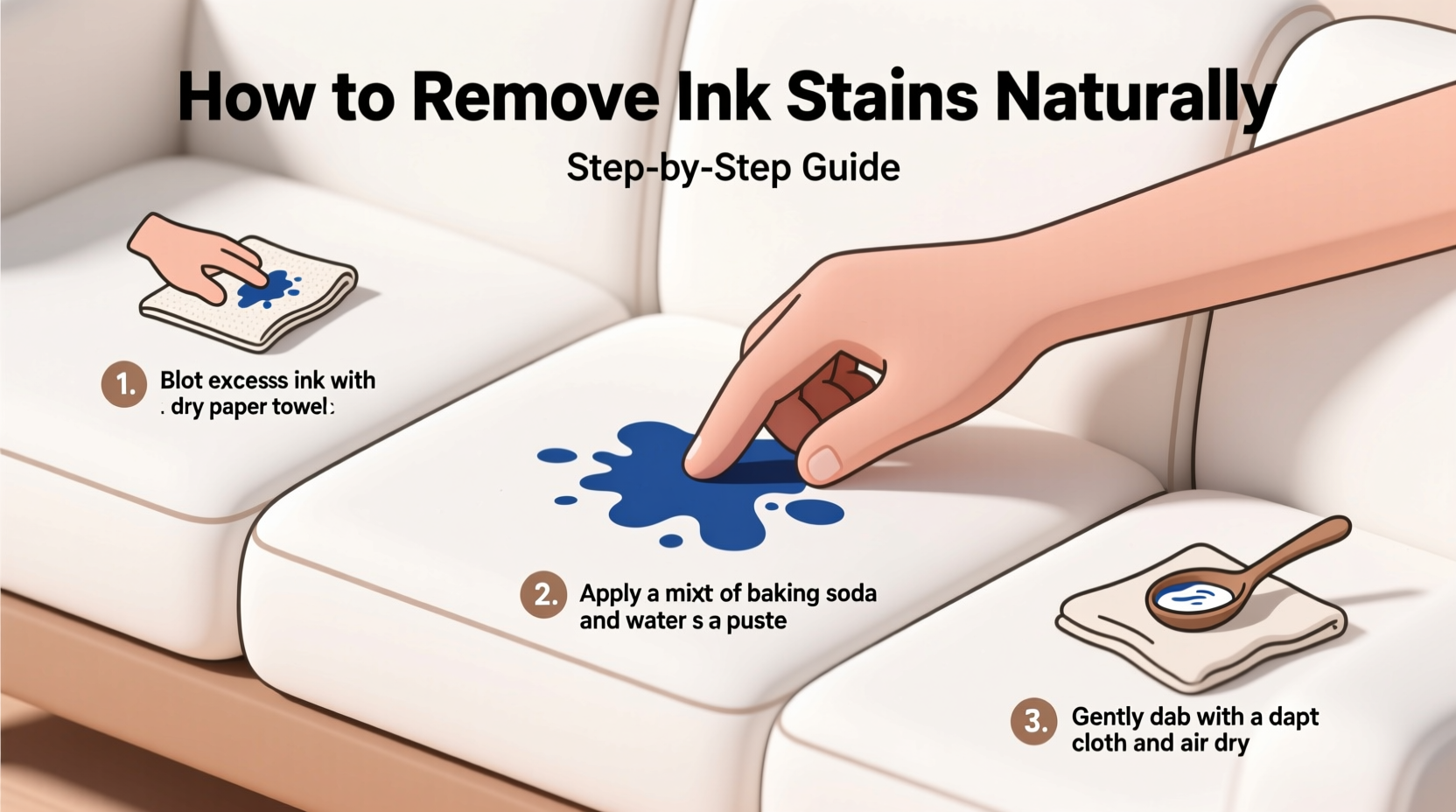
Fabric couches come in various weaves and fiber compositions—cotton, linen, polyester, microfiber, and blends. Each reacts differently to moisture, friction, and solvents. Natural fibers like cotton absorb liquids more readily than synthetic ones, making ink spread faster. Microfiber resists stains better but can still trap pigment if not treated promptly.
Ink itself varies: ballpoint, gel, fountain pen, and marker inks have different chemical bases. Ballpoint ink is oil-based, making it hydrophobic and harder to dissolve in water alone. Gel inks often contain water-soluble dyes, while permanent markers use alcohol-based solvents that bond aggressively with fibers.
This variability means no single solution works universally. A method that lifts ink from cotton might weaken a blended fabric or leave residue. Always test any treatment on an inconspicuous area first—such as behind a cushion or along the base seam.
Natural Solutions That Work: Ingredients and How They Help
Nature provides several substances capable of breaking down ink molecules or lifting them from fabric. These remedies rely on mild acidity, enzymatic action, or solvent properties found in everyday items. Below are the most effective natural agents and their roles in stain removal.
- White vinegar – Its acetic acid helps dissolve oil-based inks and neutralizes odors.
- Lemon juice – Contains citric acid, which acts as a natural bleaching agent, especially useful for light-colored fabrics.
- Baking soda – Absorbs moisture and lifts surface stains when combined with liquids.
- Milk – The proteins in milk can bind to ink pigments, helping draw them out of fibers.
- Hair spray (alcohol-based, natural formula) – Alcohol breaks down ink solvents; opt for fragrance-free, ethanol-only sprays.
- Cornstarch or talcum powder – Absorb excess ink before liquid treatment begins.
These ingredients are gentle enough for most fabrics when used correctly, but caution is essential—especially with colored upholstery, where acids may cause fading.
Step-by-Step Guide: Removing Ink Naturally
Effective stain removal follows a logical sequence: absorb, treat, lift, and dry. Follow this timeline for best results.
- Act immediately. The longer ink sets, the harder it becomes to remove.
- Blot gently with a clean, dry cloth or paper towel to absorb excess ink. Do not press hard.
- Sprinkle cornstarch or baking soda over the stain to absorb residual oils. Let sit 15–30 minutes, then vacuum gently.
- Choose your natural solution based on fabric type and ink kind (see table below).
- Apply the solution with a cotton ball or soft cloth, working from the outside inward to prevent spreading.
- Wait 5–10 minutes, then blot with a damp cloth using cold water only.
- Rinse lightly by dabbing with a water-dampened cloth to remove residue.
- Air dry completely away from direct sunlight or heat sources.
- Vacuum lightly once dry to restore fabric texture.
Recommended Methods by Ink and Fabric Type
Different combinations require tailored approaches. The following table outlines optimal natural treatments based on real-world effectiveness and fabric safety.
| Ink Type | Fabric Type | Natural Solution | Application Notes |
|---|---|---|---|
| Ballpoint (oil-based) | Cotton, Linen | White vinegar + baking soda paste | Mix 2 parts vinegar with 1 part baking soda. Apply, wait 10 min, blot. |
| Gel (water-based) | Polyester, Microfiber | Lemon juice + cold water (1:1) | Dab gently; avoid prolonged exposure to prevent fiber weakening. |
| Permanent marker | Blends, Synthetic | Alcohol-based hair spray (natural formula) | Spray lightly, wait 3 min, blot. Repeat if needed. |
| Fountain pen (dye-based) | All washable fabrics | Milk soak | Soak cotton ball in milk, place over stain for 30 min, then blot. |
| Unknown or mixed | Delicate or vintage fabric | Cornstarch absorption + cold water | Avoid liquids initially; use powder absorption only. |
Always perform a patch test before full application. For delicate or antique upholstery, consider professional consultation before DIY treatment.
Real Example: Recovering a Living Room Couch After a Pen Leak
Sarah noticed a dark blue stain on her beige microfiber couch after her son sat down with a leaking pen. She acted within 20 minutes. First, she blotted with a paper towel, then sprinkled baking soda over the area. After vacuuming, she mixed equal parts lemon juice and cold water. Using a cotton pad, she dabbed the solution gently onto the stain, changing pads frequently to avoid re-depositing ink. After five minutes, she rinsed with a damp cloth and let the section air dry overnight. The next morning, the stain was nearly invisible. A light brush with a soft clothes brush restored the fabric’s nap.
Sarah avoided rubbing, skipped bleach, and prevented setting the stain with heat—all critical steps that made the difference between success and permanent damage.
“Time is your biggest ally in stain removal. The first 30 minutes determine whether a stain becomes a memory or a permanent fixture.” — Lena Patel, Textile Care Specialist at Green Upholstery Institute
Common Mistakes to Avoid
Even with natural methods, errors can worsen the situation. Here are frequent missteps and how to sidestep them.
- Rubbing the stain – This grinds ink deeper and frays fabric threads.
- Using undiluted lemon juice or vinegar – Can bleach colors or weaken fibers over time.
- Applying heat – From hair dryers or steam, which sets stains permanently.
- Over-saturating the fabric – Leads to mold risk or padding damage beneath the surface.
- Skipping the patch test – May result in discoloration or texture change.
Patience and precision matter more than aggressive scrubbing. Gentle, repeated applications are safer and often more effective.
Checklist: Natural Ink Stain Removal at a Glance
Keep this checklist handy for quick reference when dealing with fresh ink spills.
- ✅ Blot excess ink with a clean, dry cloth.
- ✅ Sprinkle cornstarch or baking soda; wait 15–30 minutes.
- ✅ Vacuum the powder gently.
- ✅ Test chosen solution on hidden fabric area.
- ✅ Apply natural remedy with cotton ball or soft cloth.
- ✅ Wait 5–10 minutes without disturbing.
- ✅ Blot with cold, damp cloth to rinse.
- ✅ Air dry completely—no heat.
- ✅ Inspect and repeat if necessary.
- ✅ Restore fabric texture with light brushing.
FAQ: Common Questions About Natural Ink Removal
Can I use baking soda alone to remove ink?
Baking soda works best as an initial absorber or in combination with acidic liquids like vinegar. Alone, it won’t break down ink pigments but helps lift surface residue before wet treatment.
Is lemon juice safe for colored fabric?
Lemon juice has mild bleaching properties due to citric acid and UV sensitivity. It’s generally safe for whites and light neutrals but risky for dark or vibrant colors. Always test first and avoid sun exposure after use.
What if the stain is old and set in?
Older stains are harder to remove but not impossible. Try milk soaking or repeated applications of vinegar solution every few hours. For deep-set stains, professional cleaning may be necessary, but natural pre-treatment can reduce chemical use later.
Final Thoughts: Prevention and Long-Term Care
While knowing how to remove ink naturally is invaluable, prevention remains the best strategy. Keep pens capped and stored securely. Use washable cushions or protective throws in high-traffic areas. Educate children about handling writing tools near furniture.
Regular maintenance also plays a role. Vacuuming weekly removes surface debris and prevents ground-in stains. Lightly misting fabric with a water-vinegar mix (9:1) monthly can deter future staining by creating a slightly repellent surface—though always spot-test first.
With thoughtful habits and natural solutions at hand, you can maintain a clean, inviting living space without relying on toxic cleaners. Upholstery lasts longer when treated with care, and every stain successfully removed is a small victory for sustainable home management.




 浙公网安备
33010002000092号
浙公网安备
33010002000092号 浙B2-20120091-4
Comments
No comments yet. Why don't you start the discussion?