
Leather is a luxurious and durable material prized for its elegance and longevity. Whether it's a cherished handbag, a vintage jacket, or a family heirloom sofa, discovering an ink stain can be distressing. Ink spreads quickly and bonds strongly with porous surfaces, making removal challenging—especially when preserving the original color and finish is essential. The wrong method can leave behind discoloration, streaks, or even permanent damage.
The key to successful ink removal lies in understanding your leather type, acting quickly, and choosing gentle yet effective techniques. This guide walks through scientifically backed and expert-approved strategies to lift ink safely, restore appearance, and maintain the leather’s natural luster—all without altering its hue.
Understanding Leather Types and Their Sensitivity
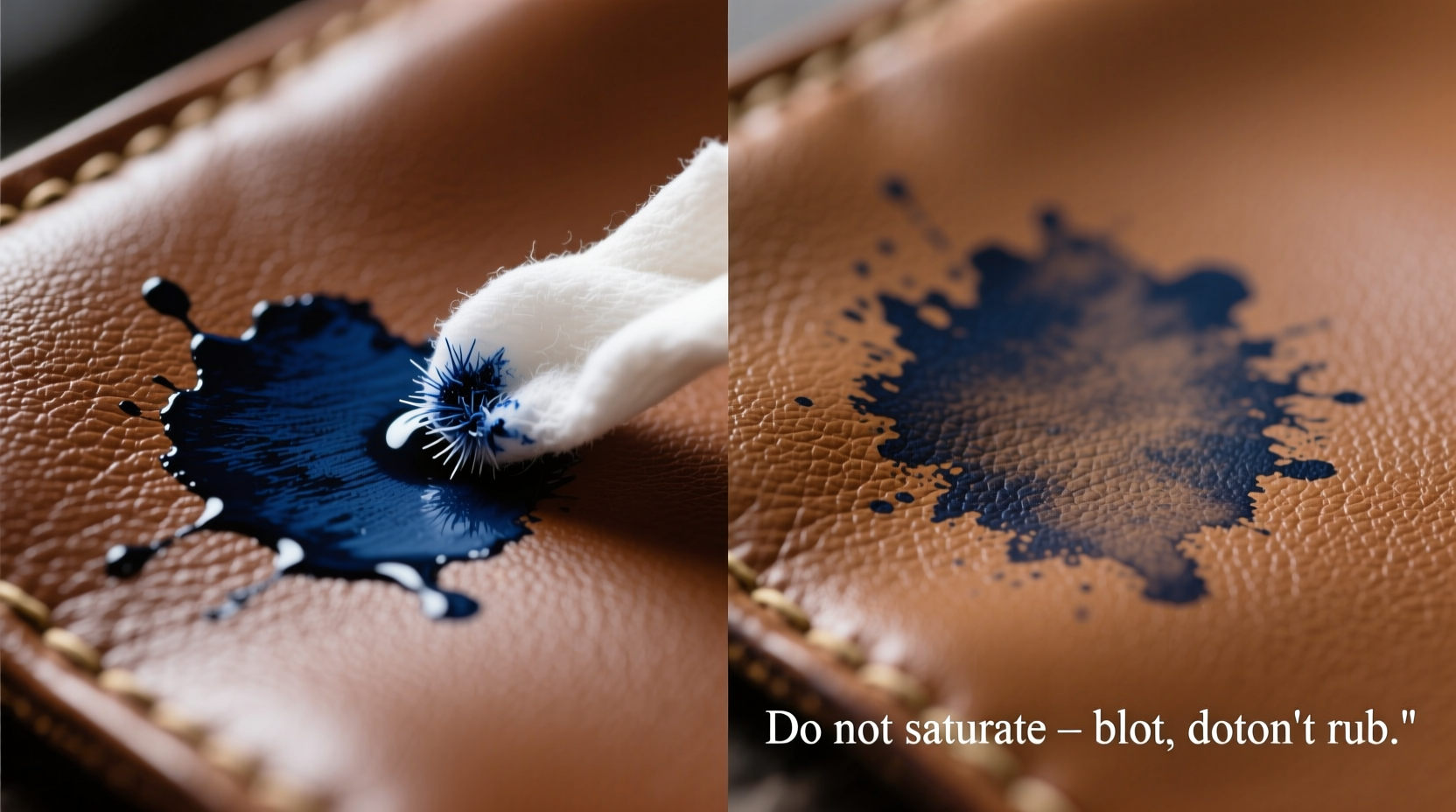
Not all leather reacts the same way to cleaning agents. Before attempting any stain removal, identify the type of leather you're dealing with. Using the wrong solution on delicate finishes like aniline or nubuck can result in irreversible fading or texture changes.
| Leather Type | Characteristics | Sensitivity Level | Ink Removal Caution |
|---|---|---|---|
| Full-Grain Leather | Durable, natural grain, ages beautifully | Low to Moderate | Use mild solvents only; avoid soaking |
| Top-Grain Leather | Slightly sanded surface, common in furniture and bags | Moderate | Test cleaners on hidden areas first |
| Aniline Leather | Untreated, highly absorbent, rich color | High | Avoid alcohol-based products; blot gently |
| Suede & Nubuck | Fuzzy surface, very porous | Very High | Never use liquids freely; use specialized erasers |
| Protected (Coated) Leather | Has a protective polymer layer, common in cars and offices | Low | Can tolerate mild alcohol solutions |
When in doubt, check manufacturer labels or test any cleaning method on an inconspicuous area such as the back of a seat or inside flap of a bag.
Step-by-Step Guide to Removing Ink Safely
Immediate action improves your chances significantly. Fresh ink hasn’t fully set and is easier to lift before it penetrates deep into fibers. Follow this sequence carefully to minimize risk.
- Blot, don’t rub: Use a clean, dry cotton cloth or paper towel to gently absorb excess ink. Rubbing will spread the stain and grind particles deeper into the grain.
- Identify the ink type: Ballpoint ink responds better to solvent-based treatments than gel or fountain pen ink, which may contain dyes that bind more aggressively.
- Prepare your tools: Gather cotton swabs, soft microfiber cloths, distilled water, and one of the approved cleaning agents listed below.
- Test first: Apply your chosen solution to a hidden spot. Wait 10–15 minutes to ensure no discoloration or texture change occurs.
- Apply treatment sparingly: Dampen—not soak—a cotton swab with your selected agent. Work from the outer edge of the stain inward to prevent spreading.
- Blot again: After 30 seconds, gently dab with a dry cloth to lift dissolved ink.
- Repeat if necessary: Allow the area to dry completely between attempts. Never over-saturate.
- Condition afterward: Once the stain is gone, apply a pH-balanced leather conditioner to replenish oils lost during cleaning.
Recommended Cleaning Agents by Leather Type
- Milk or whole cream: Natural fats help dissolve oil-based ballpoint ink. Ideal for full-grain and top-grain leather. Soak a cotton ball in milk, press gently onto the stain for 30 seconds, then wipe with a damp cloth.
- Isopropyl alcohol (70% or less): Effective on protected leather only. Dilute with equal parts distilled water. Use with extreme caution—one drop at a time via swab.
- Leather-specific ink removers: Products like Colourlock Ink Eraser or Angelus Easy Cleaner are formulated to lift stains without stripping dye. Follow label instructions precisely.
- Baking soda paste (for dried stains): Mix with minimal water to form a thick paste. Gently dab onto the stain, let sit for 5 minutes, then wipe off. Not suitable for suede.
Real Example: Saving a Vintage Leather Journal
A customer once brought a 1940s military-issue leather journal to a restoration specialist after spilling blue ballpoint ink near the spine. The owner feared damaging the aged, uncoated leather. The conservator began by testing whole milk on the back cover. After confirming no color bleed, they applied milk-soaked cotton every two hours over a day. Each application lifted more ink. By the third round, the stain was nearly invisible. A final conditioning with lanolin-based balm restored suppleness. No discoloration occurred.
This case illustrates that patience and natural ingredients can outperform aggressive chemicals, especially on antique or untreated leathers.
Expert Insight on Preserving Color Integrity
“Many people reach for rubbing alcohol at the first sign of ink, not realizing it strips both ink and dye. On unprotected leather, that’s a guaranteed disaster. I always recommend starting with the mildest option—like milk or a dedicated ink lifter—and escalating only if needed.” — Daniel Reeves, Master Leather Conservator, National Upholstery Guild
Reeves emphasizes that modern leather often contains synthetic dyes sensitive to pH shifts. Alcohol and acetone alter surface chemistry, causing blooming (a whitish haze) or uneven fading. He advises against home remedies involving vinegar, lemon juice, or nail polish remover—common suggestions online that frequently do more harm than good.
Do’s and Don’ts When Treating Ink Stains
| Do’s | Don’ts |
|---|---|
| Blot fresh stains immediately | Rub or scrub the stained area |
| Use distilled water to avoid mineral deposits | Use tap water, especially hard water |
| Test solutions on hidden areas first | Apply anything directly without testing |
| Work slowly and repeat gently | Soak the leather or use excessive liquid |
| Finish with a quality leather conditioner | Leave cleaned areas untreated |
| Consult a professional for antiques or large stains | Attempt DIY fixes on valuable or irreplaceable items |
Checklist: How to Remove Ink from Leather Safely
- ✅ Identify the leather type and finish
- ✅ Blot excess ink with a dry cloth—do not rub
- ✅ Determine ink type (ballpoint, gel, etc.)
- ✅ Test cleaning solution on an inconspicuous area
- ✅ Choose appropriate agent: milk, diluted alcohol, or commercial ink remover
- ✅ Apply with cotton swab, working outward to center
- ✅ Blot frequently with clean, dry microfiber
- ✅ Repeat only after full drying between attempts
- ✅ Condition the area after stain removal
- ✅ Store treated item away from sunlight until fully stable
Frequently Asked Questions
Can I use hand sanitizer to remove ink from leather?
No. While hand sanitizers contain alcohol that might lift ink, they also include fragrances, gels, and other additives that can leave residues or cause discoloration. Even alcohol-free versions often have thickeners that clog leather pores. Stick to purified isopropyl alcohol only when absolutely necessary—and then only on protected leather.
What if the ink has already dried?
Dried ink is harder to remove but not impossible. Start with a gentle approach like milk or a commercial ink remover. Let the solution sit on the stain for up to a minute (not longer), then blot. Multiple applications may be required. Avoid scraping, as this damages the grain. If progress stalls, stop and consult a professional.
Will these methods work on colored leather?
Yes, but extra caution is needed. Bright red, navy, or black leathers may appear faded if treated improperly, even if the dye isn’t actually removed—moisture can temporarily darken or lighten areas. Always condition after cleaning to re-establish uniform sheen. For high-value colored items, consider professional service.
Conclusion: Preserve Value and Appearance with Careful Action
Ink stains on leather don’t have to mean permanent damage. With the right knowledge, you can remove them effectively while protecting the material’s color, texture, and value. The most important principles are restraint, preparation, and respect for the material’s nature. Rushing or using harsh chemicals often causes more harm than the original stain.
Whether you’re restoring a beloved wallet or maintaining office furniture, taking a thoughtful, step-by-step approach ensures long-term results. Remember: leather remembers every mistake—but also rewards careful stewardship. By following these guidelines, you safeguard both function and beauty for years to come.




 浙公网安备
33010002000092号
浙公网安备
33010002000092号 浙B2-20120091-4
Comments
No comments yet. Why don't you start the discussion?