
Ink stains on white clothing can be one of the most frustrating laundry mishaps. Whether it's a leaky pen in your pocket or a child’s artistic moment gone wrong, ink spreads quickly and sets deeply into fabric fibers. While many reach for bleach as a go-to solution, it's not always safe—especially for delicate fabrics or colored threads in white garments. Worse, bleach can sometimes set certain types of ink permanently, turning a small accident into an irreversible blemish.
The good news is that you don’t need bleach to tackle ink stains effectively. With the right approach and common household products, even stubborn marks can be removed safely and efficiently. This guide walks through scientifically backed, real-world-tested methods that avoid harsh chemicals while delivering results. From immediate response steps to deep treatment options, these strategies preserve fabric integrity and restore your whites to their original brightness.
Understanding Ink Stains: Why They’re Tricky
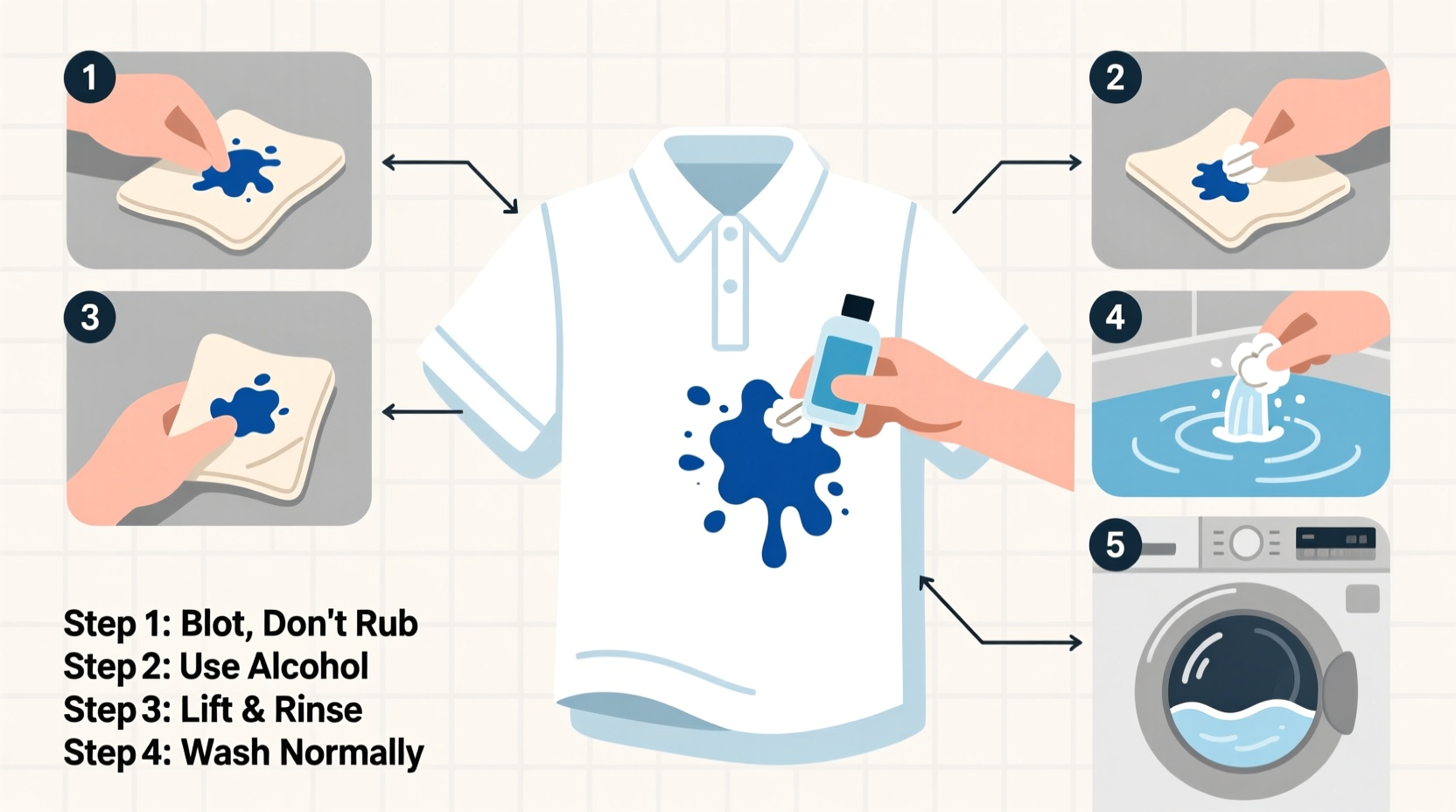
Not all ink is created equal. Ballpoint pen ink, gel ink, marker ink, and printer toner each have different chemical compositions. Most contain dyes or pigments suspended in solvents like alcohol, oil, or water. When ink contacts fabric, it begins to bind with the fibers almost immediately. The longer it sits, the deeper it penetrates, making removal more difficult.
Cotton, being highly absorbent, soaks up ink rapidly. Synthetic blends may resist initial absorption but can still trap ink in surface crevices. The key to successful stain removal lies in acting fast and choosing a solvent that breaks down the ink’s base without damaging the fabric.
“Time is your biggest enemy with ink stains. The first five minutes after staining are critical—if you treat it quickly, your chances of full removal increase dramatically.” — Dr. Lena Reyes, Textile Chemist at the Institute for Fabric Care
Immediate Response: What to Do Right After the Spill
Quick action significantly improves your odds of complete stain removal. Follow this timeline within the first 10 minutes of the incident:
- Blot, don’t wipe: Use a clean, dry paper towel or cloth to absorb excess ink. Press lightly to lift what you can without smearing.
- Isolate the garment: Prevent transfer by placing a paper towel or cardboard under the stained area to catch bleed-through.
- Avoid heat: Do not use hot water or place the item near a heater. Heat sets stains permanently.
- Identify the fabric type: Check the care label. Delicate materials like silk or wool require gentler treatments than cotton or polyester.
- Pre-treat before washing: Apply a suitable solvent (discussed below) directly to the stain and let it sit before laundering.
Delaying treatment allows the ink to oxidize and bond with fabric molecules, making it chemically stable and harder to dissolve. Immediate intervention disrupts this process.
Top 5 Bleach-Free Methods That Actually Work
Below are five proven, non-bleach solutions tested across various fabric types and ink varieties. Each method uses accessible ingredients and follows a clear application process.
1. Rubbing Alcohol (Isopropyl Alcohol)
Rubbing alcohol is one of the most effective solvents for breaking down oil-based ballpoint ink. It evaporates quickly and lifts dye from fibers.
- Place the garment flat on a clean surface with a paper towel underneath.
- Dampen a cotton ball or clean cloth with 70% isopropyl alcohol.
- Gently dab the stain—do not scrub.
- As the ink transfers to the cloth, switch to a fresh spot frequently.
- Rinse with cold water and launder as usual.
Note: Test on an inconspicuous area first, especially with synthetic fabrics, as alcohol can cause discoloration or fiber degradation in rare cases.
2. Hairspray (Alcohol-Based)
Many aerosol hairsprays contain high concentrations of alcohol, making them a convenient substitute when rubbing alcohol isn’t available.
- Spray directly onto the stain from about 6 inches away.
- Wait 30 seconds for the solvent to penetrate.
- Blot with a clean cloth until no more ink transfers.
- Wash in cold water with regular detergent.
3. Hand Sanitizer
Most hand sanitizers are 60–70% alcohol and often include gelling agents that help keep the solution in contact with the stain longer.
- Apply a dime-sized amount directly to the stain.
- Let sit for 5–10 minutes.
- Blot with a microfiber cloth.
- Rinse thoroughly and wash normally.
This method works particularly well on small, localized stains like pocket leaks.
4. Milk Soak (For Delicate Fabrics)
Milk contains natural enzymes and fats that slowly break down ink over time. Ideal for silks, linens, or vintage whites where harsh solvents aren't recommended.
- Submerge the stained area in a bowl of whole milk.
- Let soak for 4–6 hours (or overnight for tough stains).
- Remove, gently rinse with cool water, then hand-wash with mild detergent.
While slower, this gentle method avoids fiber damage and yellowing risks associated with strong chemicals.
5. Dish Soap and Hydrogen Peroxide Mix
A combination of liquid dish soap (like Dawn) and hydrogen peroxide (3%) creates a powerful degreasing and mild oxidizing solution—without chlorine bleach.
- Mix 1 tablespoon dish soap with 2 tablespoons hydrogen peroxide.
- Apply to the stain and let sit for 15–20 minutes.
- Blot and rinse with cold water.
- Machine wash on cold.
This works best on cotton and durable synthetics. Not recommended for wool or silk.
Do’s and Don’ts: A Quick Reference Table
| Do’s | Don’ts |
|---|---|
| Act immediately upon noticing the stain | Use hot water on fresh ink stains |
| Blot gently with alcohol-based solutions | Rub or scrub aggressively |
| Test any solution on a hidden seam first | Use chlorine bleach on protein-based stains |
| Place absorbent material behind the stain | Put the garment in the dryer until the stain is fully gone |
| Wash treated garments separately at first | Ignore care label instructions |
Real-Life Example: Removing Ink from a Child’s White Uniform Shirt
Sarah, a school administrator in Portland, faced a common challenge when her 8-year-old son came home with a large blue ink stain across the front of his white cotton-blend school shirt. The ink had bled through from a leaking pen in his backpack, sitting against the fabric for several hours.
She began by laying the shirt flat and placing a folded paper towel inside to prevent backside staining. Using 70% isopropyl alcohol and a cotton pad, she dabbed the outer edges of the stain first, gradually working inward. After 10 minutes of careful blotting, much of the ink had lifted. She rinsed the area under cold running water, applied a drop of dish soap, and washed the shirt alone in cold water.
After air-drying, a faint shadow remained. Instead of reaching for bleach, she repeated the alcohol treatment and washed again. The second round removed the last traces. The shirt emerged completely clean, with no damage to the fabric or seams.
This case illustrates how patience and proper technique—even with old or spread-out stains—can yield excellent results without bleach.
Step-by-Step Guide: Complete Ink Removal Process
Follow this comprehensive sequence for maximum effectiveness:
- Assess the stain: Determine ink type and fabric composition.
- Blot excess ink: Use a paper towel to absorb surface residue.
- Protect surrounding areas: Place cardboard or paper towels beneath the stain.
- Choose your method: Select based on fabric and ink type (see table above).
- Apply treatment: Dab—not rub—the solvent onto the stain.
- Wait: Allow 5–15 minutes for penetration (longer for milk method).
- Blot again: Continue transferring ink to a clean cloth.
- Rinse: Flush with cold water to remove loosened ink and residue.
- Wash: Launder in cold water with regular detergent.
- Inspect before drying: If the stain persists, repeat treatment. Heat from drying sets remaining ink permanently.
Frequently Asked Questions
Can I use vinegar to remove ink from white clothes?
Vinegar alone is not effective against most ink stains. While it has mild acidic properties, it doesn’t dissolve the oils or polymers in ink. However, combining vinegar with baking soda or hydrogen peroxide may enhance cleaning power slightly, but alcohol-based methods remain superior.
What if the ink stain has already been dried or washed?
Dried or previously laundered stains are more challenging but not hopeless. Reapply rubbing alcohol or the dish soap-peroxide mix and let it sit longer—up to 30 minutes. You may need two or three treatments. Avoid drying between attempts.
Are these methods safe for colored clothing?
Some—like alcohol or peroxide—can lighten or damage dyes. These techniques are optimized for white garments where colorfastness isn’t a concern. For colored clothes, test in an inconspicuous area first and consider professional cleaning for valuable items.
Final Checklist Before You Begin
- ☑ I’ve checked the garment’s care label
- ☑ I’ve acted quickly or assessed how long the stain has set
- ☑ I have rubbing alcohol, hand sanitizer, or another solvent ready
- ☑ I’ve placed absorbent material behind the stain
- ☑ I will use cold water only during rinsing and washing
- ☑ I will not put the garment in the dryer until the stain is completely gone
- ☑ I’ve tested the solution on a hidden area if unsure
Conclusion: Keep Your Whites Impeccable Without Harsh Chemicals
Removing ink stains from white clothes doesn’t require bleach or expensive specialty products. With everyday household items and a methodical approach, you can restore your garments to pristine condition safely and effectively. The key is prompt action, the right solvent for the ink type, and avoiding heat until the stain is fully gone.
These techniques empower you to handle accidents confidently, preserving both the appearance and lifespan of your clothing. Whether it’s a favorite white blouse or a child’s school uniform, you now have reliable, bleach-free tools at your disposal.




 浙公网安备
33010002000092号
浙公网安备
33010002000092号 浙B2-20120091-4
Comments
No comments yet. Why don't you start the discussion?