
Removing makeup is a non-negotiable step in any skincare routine, but doing it incorrectly can compromise the integrity of your skin’s protective layer. The skin barrier—composed of lipids, ceramides, and natural oils—acts as a shield against environmental aggressors, moisture loss, and irritation. When stripped by harsh cleansers or abrasive methods, it leads to dryness, redness, sensitivity, and even breakouts.
The goal isn’t just clean skin—it’s clean skin that still feels supple, balanced, and protected. Achieving this requires understanding your skin type, choosing the right products, and adopting a mindful removal process. This guide outlines science-backed strategies to dissolve makeup thoroughly while preserving the delicate balance of your skin barrier.
Understanding the Skin Barrier and Makeup Removal
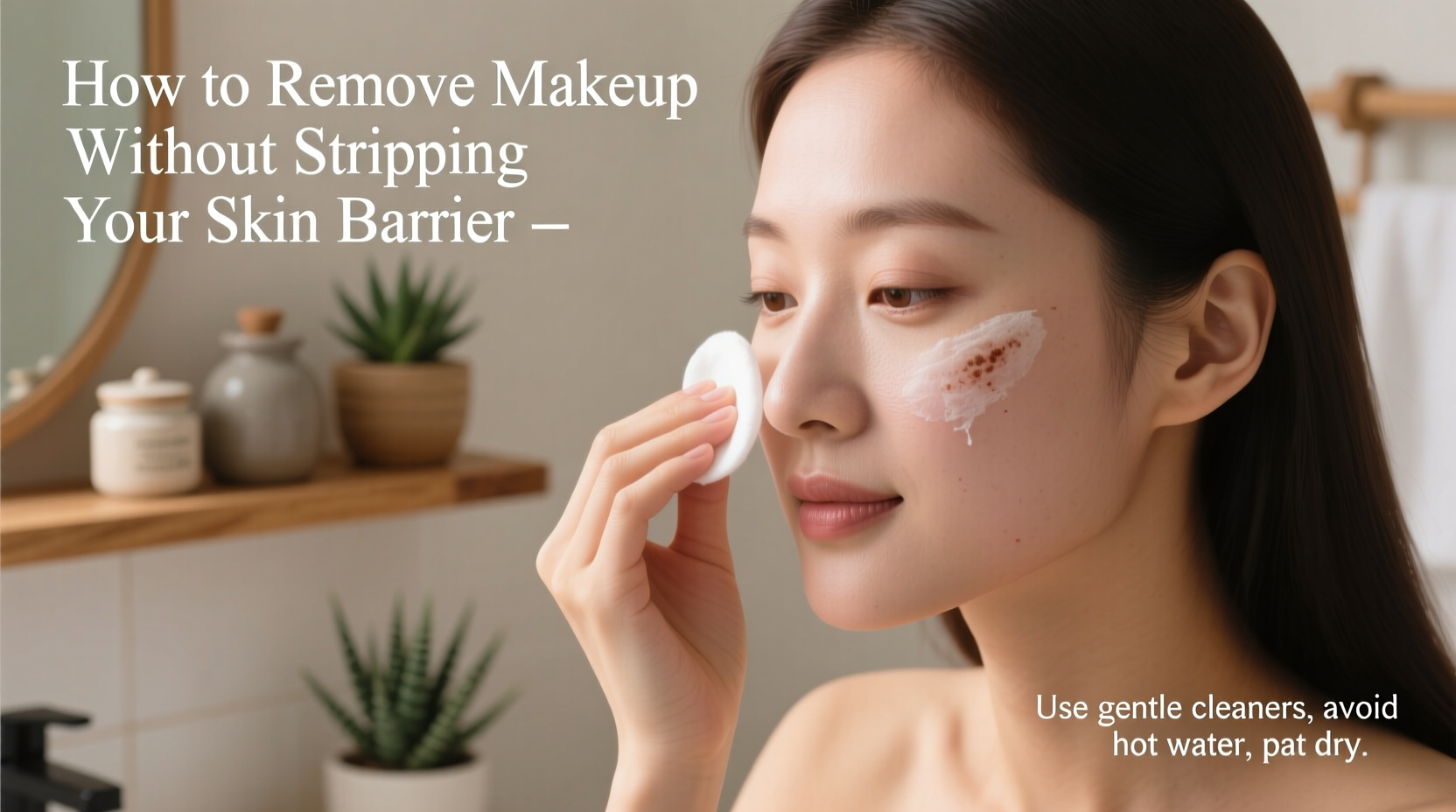
The skin barrier, also known as the stratum corneum, functions like a brick wall: skin cells (bricks) are held together by lipids (mortar). These lipids include ceramides, cholesterol, and fatty acids—all essential for retaining moisture and defending against pollutants, allergens, and bacteria.
Makeup, especially waterproof formulas, sunscreens, and long-wear foundations, often contains silicones, waxes, and oil-based binders designed to resist sweat and water. While effective on the surface, these ingredients require more than water alone to remove. However, many people reach for foaming cleansers with high pH levels or alcohol-based wipes that disrupt lipid balance, leading to transepidermal water loss (TEWL).
Gentle removal doesn’t mean sacrificing effectiveness. It means using emulsifying agents that lift away impurities without compromising structural integrity. The key lies in double cleansing: an oil-based first step followed by a mild water-based second cleanse.
“Over-cleansing or using overly aggressive surfactants can degrade the skin barrier within days. The best routines respect the skin’s natural physiology.” — Dr. Lena Patel, Board-Certified Dermatologist
Step-by-Step Guide: Gentle Makeup Removal Routine
A structured approach ensures complete removal without overworking the skin. Follow this five-step sequence nightly, adjusting based on your makeup load and skin sensitivity.
- Start with dry hands and face: Wet skin prematurely dilutes oil-based cleansers, reducing their ability to bind with makeup. Begin with dry skin for maximum efficacy.
- Apply an oil-based cleanser: Use 1–2 pumps of cleansing oil or balm. Massage evenly across the face for 60 seconds, focusing on areas with heavy product buildup—eyes, T-zone, jawline.
- Emulsify with water: Wet fingertips and continue massaging. The product should turn milky, signaling emulsification. This process breaks down sebum and makeup so they rinse cleanly.
- Rinse thoroughly with lukewarm water: Avoid hot water, which can inflame and dehydrate the skin. Pat dry with a soft cotton towel—never rub.
- Follow with a low-pH, sulfate-free cleanser: Choose a cream or milk cleanser to remove residual traces without disrupting pH. Rinse and proceed to toner and moisturizer immediately.
Choosing the Right Products: Do’s and Don’ts
Not all cleansers are created equal. Ingredients matter more than marketing claims. Below is a comparison of common product types and their impact on the skin barrier.
| Product Type | Best For | Barrier-Friendly? | Key Ingredients to Look For | Ingredients to Avoid |
|---|---|---|---|---|
| Cleansing Balm | Heavy makeup, dry/sensitive skin | Yes | Jojoba oil, shea butter, squalane | Mineral oil (low purity), synthetic fragrances |
| Cleansing Oil | Waterproof makeup, combination skin | Yes (if non-comedogenic) | Safflower oil, grapeseed oil, rice bran oil | Coconut oil (can clog pores), parabens |
| Micellar Water | Light makeup, quick touch-ups | Sometimes | Low-concentration PEGs, glycerin | Alcohol denat., high PEGs, fragrance |
| Facial Wipes | Travel emergencies only | No | N/A | Alcohol, preservatives like MIT, rough fibers |
| Foaming Cleanser | Oily/acne-prone skin (used post-oil cleanse) | Only if sulfate-free and low-pH | Amino acid surfactants (e.g., cocoyl glycinate) | Sodium lauryl sulfate, high pH (>6.5) |
When evaluating labels, prioritize products labeled “non-stripping,” “lipid-friendly,” or “dermatologically tested.” Fragrance-free options are safer for sensitive and compromised barriers. If you have rosacea or eczema, patch-test new products behind the ear for 48 hours before facial use.
Real Example: Repairing a Compromised Barrier Through Better Cleansing
Sophie, a 32-year-old graphic designer, struggled with persistent tightness and flaking around her cheeks despite using rich moisturizers. She wore minimal makeup—tinted sunscreen, concealer, and brow gel—but removed it daily with foaming wipes and a clarifying charcoal cleanser. After consulting a dermatologist, she learned her routine was the culprit.
She switched to a two-step method: a balm cleanser (with sunflower seed oil and ceramides) followed by a hydrating gel cleanser. Within three weeks, her morning tightness disappeared. By week six, her skin retained moisture better, and she no longer needed midday hydration sprays. The change wasn’t in adding more products, but in removing the ones that damaged her barrier.
Her experience underscores a common misconception: that oily or acne-prone skin needs deep “squeaky clean” sensations. In reality, that feeling indicates lipid disruption. Healthy skin feels smooth and neutral—not tight or greasy.
Essential Tips for Sensitive and Reactive Skin Types
If you have conditions like rosacea, perioral dermatitis, or post-procedure sensitivity (e.g., after chemical peels), standard removal methods may be too aggressive. Adapt your technique with these targeted tips:
- Use lukewarm water only: Hot water increases inflammation and accelerates moisture loss.
- Limit cleansing time: No more than 60 seconds of active massage. Over-massaging irritates nerve endings.
- Opt for milky cleansers: They contain emollients that support lipid repair during cleansing.
- Double-cleanse only when necessary: On nights with no makeup, a single gentle cleanse suffices.
- Always moisturize immediately: Apply serum and moisturizer within 60 seconds of patting dry to lock in hydration.
Checklist: Build Your Barrier-Safe Makeup Removal Routine
Use this checklist nightly to ensure consistency and protection:
- ☐ Remove contact lenses before starting (if applicable)
- ☐ Use dry hands and face to begin
- ☐ Apply oil or balm cleanser with gentle circular motions
- ☐ Emulsify fully until milky white
- ☐ Rinse with lukewarm water—no scrubbing
- ☐ Follow with a second cleanser only if wearing heavy or waterproof makeup
- ☐ Pat dry; never rub
- ☐ Apply hydrating toner or essence immediately
- ☐ Seal with a ceramide-rich moisturizer
- ☐ Skip exfoliation on high-makeup days to avoid over-processing
Frequently Asked Questions
Can I skip double cleansing if I wear only sunscreen?
Yes, but only if you use a water-based mineral sunscreen. Chemical sunscreens and hybrid formulas bind deeply to skin and require oil-based cleansing. If in doubt, perform a patch test: apply your sunscreen, wait 4 hours, then cleanse with water only. If residue remains, switch to an oil pre-cleanse.
Is micellar water safe for the skin barrier?
It depends on the formulation. Micellar waters with high concentrations of polyethylene glycols (PEGs) or alcohol can be drying. However, newer versions enriched with glycerin, panthenol, or hyaluronic acid are suitable for occasional use—especially for those with dry or reactive skin. Avoid using it as a sole cleanser every night.
How do I know if my skin barrier is damaged?
Signs include persistent tightness, visible flaking, increased sensitivity to products, stinging upon application, and uneven texture. A simple test: if your skin feels raw or uncomfortable after cleansing—even with “gentle” products—it’s likely compromised. Reduce actives, focus on barrier-repair ingredients (ceramides, cholesterol, fatty acids), and simplify your routine for 2–4 weeks.
Conclusion: Prioritize Long-Term Health Over Immediate Cleanliness
Removing makeup shouldn’t come at the cost of your skin’s resilience. The most effective routines are not the harshest, but the most thoughtful. By choosing lipid-supportive cleansers, embracing double cleansing, and treating your skin with physical care, you maintain clarity without sacrificing strength.
Your skin barrier is not just a filter—it’s a living system that thrives on balance. Every evening, you have the chance to either disrupt it or reinforce it. Make the choice that supports long-term health, comfort, and radiance.




 浙公网安备
33010002000092号
浙公网安备
33010002000092号 浙B2-20120091-4
Comments
No comments yet. Why don't you start the discussion?