
Pet ownership brings joy, companionship, and inevitably, a steady accumulation of fur on furniture. While lint rollers are a popular go-to for quick cleanups, they’re not always available, environmentally friendly, or cost-effective in the long run. For those seeking sustainable, efficient alternatives, removing pet hair from couches without relying on adhesive sheets is entirely possible — and often more effective.
Couch fabrics vary widely, from microfiber and leather to velvet and linen, each reacting differently to cleaning methods. The key lies in understanding how pet hair adheres to surfaces and leveraging physics, moisture, and friction to your advantage. With simple household items and consistent technique, you can maintain a clean, inviting living space without contributing to single-use waste.
The Science Behind Pet Hair Buildup
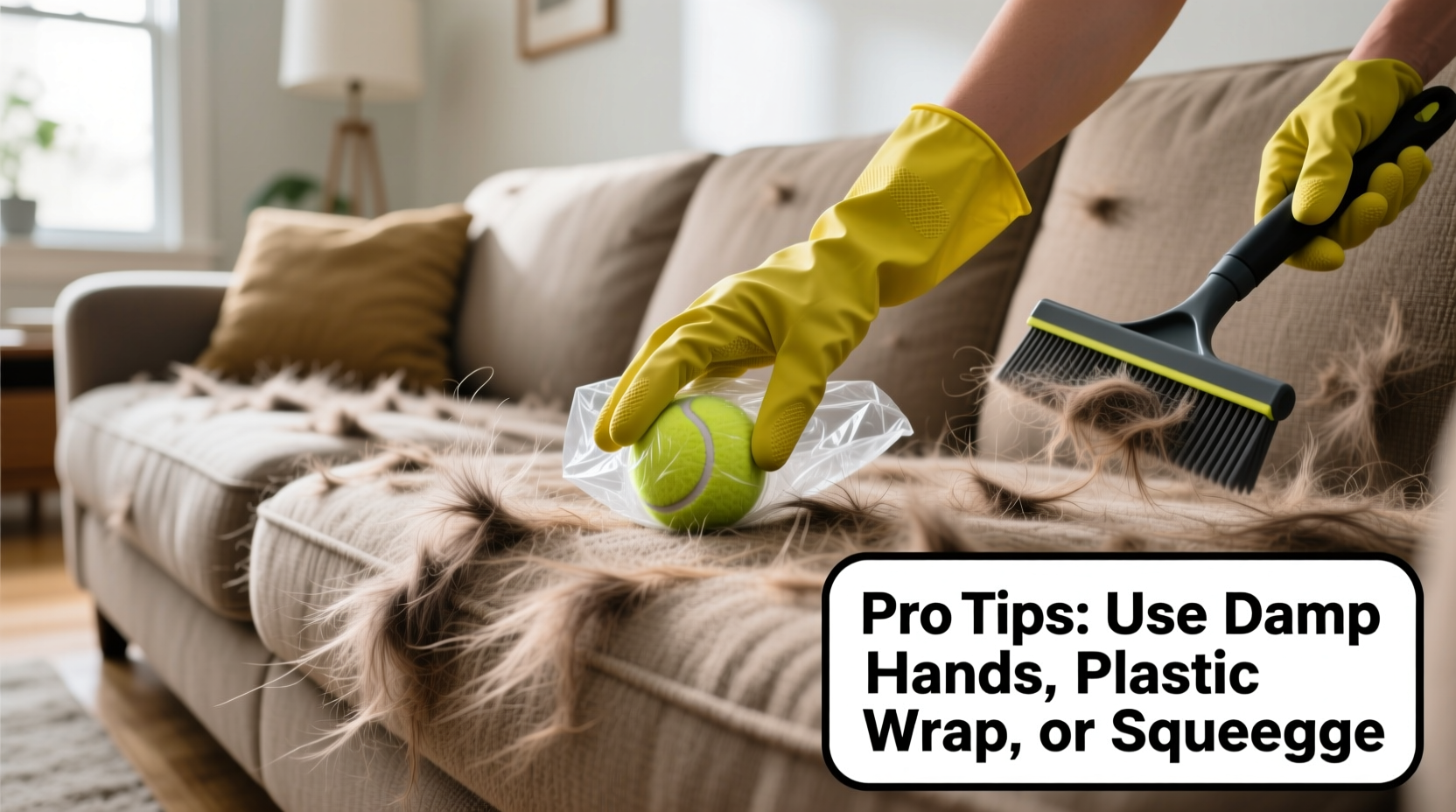
Pet hair clings to couch fabric due to static electricity and mechanical entanglement. Synthetic fibers in upholstery easily generate static, especially in dry environments, which attracts loose fur like a magnet. Additionally, textured fabrics such as tweed or corduroy trap hairs in their weaves, making removal more challenging than it appears.
Traditional lint rollers work by using sticky tape to lift hair from the surface, but this method only removes surface-level fur and can leave behind embedded strands. Over time, repeated use may also degrade delicate fabrics. Alternative solutions focus on altering the hair’s adhesion properties or physically dislodging it through motion or moisture.
“Pet hair isn’t just a surface issue—it embeds into fibers and accumulates allergens. Effective removal requires both mechanical action and environmental control.” — Dr. Laura Simmons, Indoor Air Quality Specialist
Effective Alternatives to Lint Rollers
Several common household items can outperform lint rollers when used correctly. These tools leverage moisture, electrostatic changes, or physical agitation to loosen and collect fur efficiently.
1. Damp Rubber Gloves
One of the most accessible and effective methods involves wearing damp rubber or latex gloves. The slight moisture increases surface tension, allowing the glove to attract and clump pet hair as you wipe across the fabric.
To use: Lightly wet a pair of dishwashing gloves and wring them out until damp (not dripping). Run your hands over the couch in sweeping motions, applying gentle pressure. The hair will gather into small clusters that can be easily removed and disposed of.
2. Squeegee or Window Scraper
A flexible plastic squeegee—typically used for windows or shower doors—works surprisingly well on upholstered furniture. Its edge creates enough friction to pull embedded hair to the surface without damaging fabric.
Use short, overlapping strokes in one direction, similar to mopping. As hair gathers, collect it by hand or with a tissue. This method is particularly effective on flat-weave fabrics like cotton or polyester blends.
3. Dryer Sheets
Dryer sheets reduce static cling, which helps prevent hair from sticking in the first place. Rubbing a fresh sheet over the couch surface loosens hair and makes it easier to wipe away. For deeper cleaning, follow up with a gloved hand or vacuum.
Note: Avoid scented or heavily coated sheets on delicate fabrics, as residue may build up over time.
4. Sponge Mop with Water
A slightly damp sponge mop (without detergent) can cover large areas quickly. The moisture lifts hair while the sponge traps it. Ideal for sectional sofas or wide seating areas, this method combines speed with efficiency.
Pass the mop in straight lines, rinsing the sponge frequently to avoid redistributing dirt. Let the couch air-dry completely before use.
Step-by-Step Guide: Deep Cleaning Your Couch Without a Lint Roller
For a thorough, long-lasting clean, follow this six-step process weekly or biweekly depending on pet activity.
- Vacuum First: Use a brush attachment to loosen surface hair and debris. Focus on crevices and seams where fur accumulates.
- Apply Moisture Control: Lightly mist the fabric with water using a spray bottle. Do not soak—just enough to reduce static.
- Wear Damp Rubber Gloves: Put on gloves and run hands firmly over the surface in one direction. Hair will ball up for easy collection.
- Use a Squeegee for Stubborn Areas: Target textured zones or high-sit areas where hair resists removal.
- Wipe with Dryer Sheet: Pass a sheet over the entire surface to neutralize remaining static and polish the fabric.
- Vacuum Again: Final pass to capture any residual particles and ensure full cleanliness.
This sequence maximizes mechanical and chemical advantages while minimizing fabric stress. It’s suitable for most non-leather upholstery.
Do’s and Don’ts by Fabric Type
| Fabric Type | Recommended Methods | Methods to Avoid |
|---|---|---|
| Microfiber | Damp gloves, squeegee, vacuum with brush | Excessive water, abrasive scrubbing |
| Leather or Faux Leather | Damp cloth, dry towel, specialized leather wipes | Rubber gloves (can scratch), dryer sheets (leave residue) |
| Cotton/Linen Blends | Sponge mop, damp gloves, handheld vacuum | High heat, undiluted cleaners |
| Velvet/Corduroy | Soft-bristle brush, low-suction vacuum | Squeegee (may crush pile), excessive moisture |
| Synthetic Weaves (Polyester, Acrylic) | Dryer sheets, rubber gloves, vacuum | Direct heat sources, rough tools |
Tailoring your approach to fabric type prevents damage and improves results. Always test any new method on a hidden area first.
Real-World Example: Managing Fur in a Multi-Pet Home
Jamie Rivera lives in a two-bedroom apartment with two cats and a shedding breed of dog. With limited storage and frequent company, keeping the living room couch presentable was a constant battle. After exhausting multiple lint rollers each week, Jamie sought a more sustainable solution.
She began using a combination of damp rubber gloves and a window squeegee, dedicating ten minutes every Sunday evening to couch maintenance. Within a month, she noticed not only cleaner upholstery but also fewer allergy symptoms among guests. By incorporating a reusable handheld vacuum with a pet-hair attachment, she reduced cleaning time significantly. Her routine now takes less than five minutes twice a week and has eliminated her reliance on disposable rollers entirely.
“It’s not about doing more,” Jamie says. “It’s about using the right tools once you know how they work.”
DIY Tools You Already Own
You don’t need to buy specialty products to manage pet hair. Common household items can double as effective cleaning aids.
- Balloons: Rub an inflated balloon over fabric to generate static that lifts hair into clumps.
- Pasta Maker Roller: The smooth metal cylinder can roll over cushions to gather fur (clean thoroughly afterward).
- Paint Roller (Foam): A clean, dry foam paint roller picks up hair quickly on large surfaces. Wrap with a damp paper towel for added grip.
- Wire Pet Brush: Gently drag across fabric to snag embedded hair without scratching.
Prevention: Reducing Hair Accumulation Long-Term
While removal is essential, preventing excessive buildup reduces cleaning frequency and preserves furniture.
Regular grooming is the most impactful preventive measure. Brushing your pet outdoors several times a week removes loose undercoat before it lands on furniture. For heavy shedders, deshedding tools like the Furminator can reduce shedding by up to 90% when used weekly.
Consider fabric protectors that resist pet hair and stains. Products like Scotchgard for upholstery create a barrier that makes future cleaning easier. Apply according to manufacturer instructions and reapply every few months.
Wash removable cushion covers weekly in hot water (if fabric allows). Use a high-efficiency washer with a deep rinse cycle to extract maximum hair and dander.
Checklist: Weekly Couch Maintenance Routine
- ☑ Vacuum all couch surfaces with brush attachment
- ☑ Wipe down with damp rubber gloves or squeegee
- ☑ Treat with anti-static dryer sheet
- ☑ Spot-clean stains if present
- ☑ Groom pets before evening lounging
- ☑ Wash cushion covers (if applicable)
FAQ
Can I use a regular sponge instead of a sponge mop?
Yes, but a sponge mop covers larger areas more efficiently. If using a kitchen sponge, ensure it’s clean and only slightly damp to avoid soaking the fabric.
Will damp methods cause mold in my couch?
Only if excess water is used. Always use minimal moisture and allow the fabric to dry completely within a few hours. Use fans or open windows to speed drying if needed.
Are there any natural anti-static sprays I can make at home?
Yes. Mix 1 cup of water with 1 tablespoon of white vinegar and a few drops of essential oil (optional). Lightly mist on fabric before wiping with a glove. Vinegar neutralizes static without residue.
Conclusion
Removing pet hair from couches without lint rollers is not only feasible—it’s often more effective and eco-conscious. By combining simple tools like rubber gloves, squeegees, and dryer sheets with proper technique and preventive habits, you can maintain a clean, welcoming home without relying on disposable products.
The real secret isn’t a magic tool; it’s consistency and understanding how pet hair behaves. Whether you live with one cat or three dogs, these methods scale to fit your needs. Start with one alternative technique this week, refine your routine, and enjoy a fresher, fur-free couch for years to come.




 浙公网安备
33010002000092号
浙公网安备
33010002000092号 浙B2-20120091-4
Comments
No comments yet. Why don't you start the discussion?