
Pilling—those small, fuzzy balls that form on fabric surfaces—is a common issue that affects everything from sweaters and hoodies to bed linens and upholstery. While fabric shavers are widely marketed as the go-to solution, they aren't always accessible, and improper use can lead to snags, thinning fabric, or even holes. Fortunately, you don’t need specialized tools to restore your garments. With simple household items and careful technique, it’s entirely possible to remove pilling safely and effectively without causing further damage.
Understanding why pilling occurs is the first step toward addressing it. Friction, washing habits, and fiber composition all contribute to surface abrasion. Natural fibers like cotton and wool are just as prone to pilling as synthetics such as polyester and nylon. The good news? Gentle manual removal methods not only eliminate existing pills but also preserve the integrity of the fabric over time.
Why Avoid Fabric Shavers?
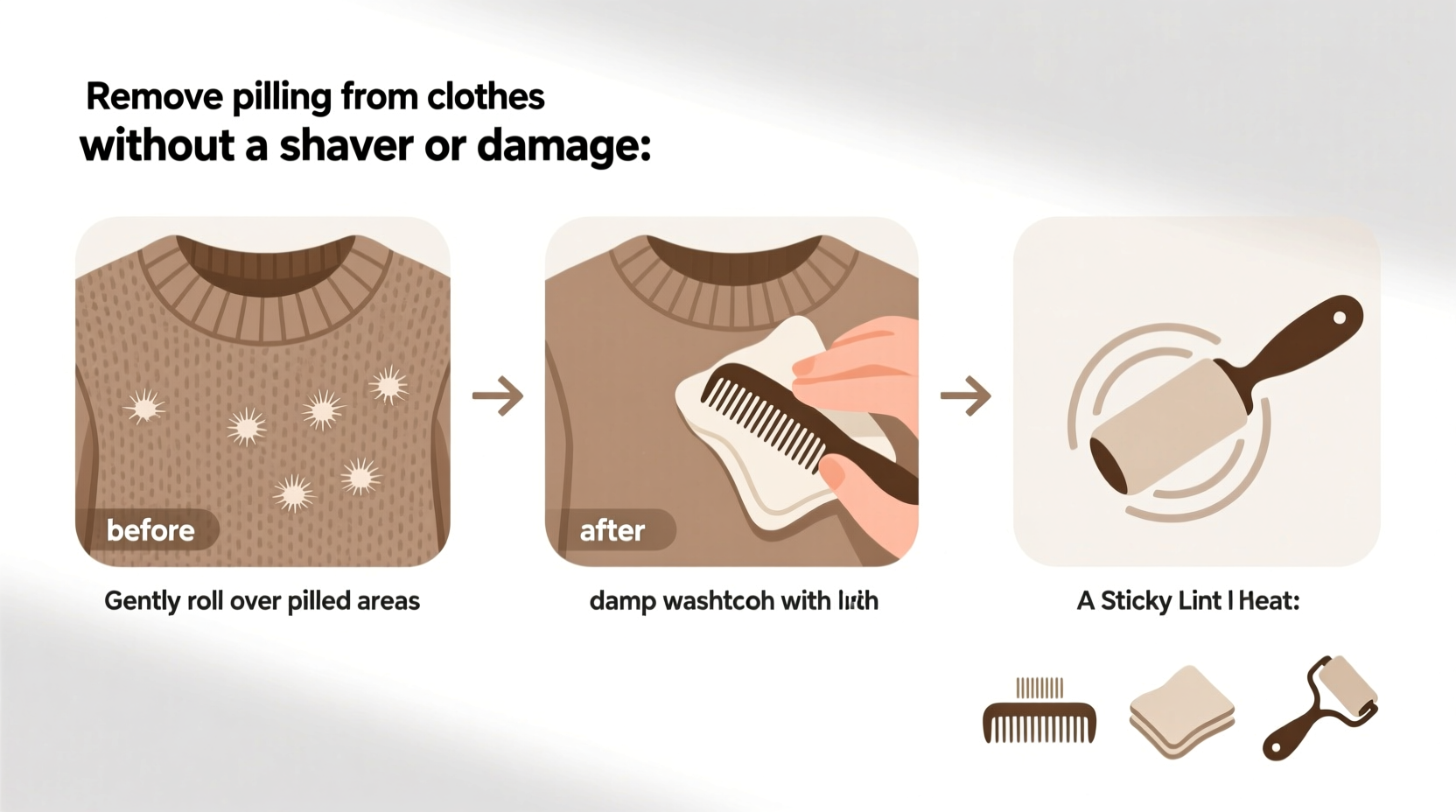
Fabric shavers offer quick results, but they come with risks. Their rotating blades can cut too deeply, especially on delicate knits or loosely woven fabrics. Overuse leads to thinning material, weakened seams, and an uneven texture. For vintage clothing, heirloom pieces, or expensive knitwear, aggressive tools may do more harm than good.
Additionally, shavers often miss fine pills or leave behind residue if not cleaned regularly. They also require batteries or charging, making them less convenient for spontaneous touch-ups. By contrast, manual techniques are cost-effective, environmentally friendly, and allow greater control over pressure and precision.
“Over-reliance on electric shavers strips away healthy fibers along with pills. A gentler approach preserves longevity.” — Lena Patel, Textile Restoration Specialist
Effective Alternatives to Shavers
The key to successful pill removal lies in selecting the right method based on fabric type and severity of pilling. Below are five proven alternatives that require no electricity, minimal expense, and zero risk of tearing.
1. Use a Lint Roller for Light Pilling
A standard adhesive lint roller works surprisingly well on light surface fuzz. The sticky sheets lift loose fibers and small pills without abrading the base fabric. This method is ideal for wool blends, cashmere, and lightweight knits.
For heavier fabrics like denim or thick cotton, consider a reusable rubber lint roller. These rollers generate static through rolling motion, attracting lint and pills without leaving residue.
2. Gently Brush with a Sweater Stone or Pumice
A natural pumice stone designed for clothing (often labeled a \"sweater stone\") glides over fabric to gently break apart pills. Unlike blades, it doesn’t cut but instead exfoliates the surface by lifting tangled fibers.
To use:
- Lay the garment flat on a clean surface.
- Hold the stone at a slight angle.
- Use short, light strokes in one direction—do not scrub back and forth.
- After each pass, brush away loosened debris with your hand or soft cloth.
This method is particularly effective on wool, cotton, and acrylic sweaters. Avoid using on silk or rayon, which may snag under abrasive contact.
3. Try a Fine-Tooth Comb or Pet Grooming Brush
A wide-tooth comb made of wood or plastic can detangle and extract pills when used carefully. However, a finer alternative—a metal pet grooming brush with tightly spaced pins—offers superior results due to its ability to catch micro-pulls in the fabric.
How to apply:
- Stretch the fabric taut between your hands or lay it flat.
- Gently pull the brush across the surface in a single direction.
- Pause frequently to remove collected fibers from the bristles.
This technique mimics professional de-pilling brushes and works best on medium-weight knits. It requires patience but delivers smooth, even results without damaging underlying threads.
4. Tape Method: High-Tack Adhesive for Stubborn Pills
Strong packing tape or duct tape can remove pills where other methods fail. The high-tack adhesive grabs clusters of fuzz and lifts them cleanly off the fabric.
Steps:
- Cut a 6-inch strip of tape and fold it into a loop, sticky side out.
- Press and roll the tape over the affected area using firm but gentle pressure.
- Discard or re-form the tape as it becomes clogged.
This method excels on textured fabrics like fleece and brushed cotton. Exercise caution on loosely woven materials—excessive pulling may cause fraying.
5. Wash and Dry Strategically to Prevent Future Pilling
Prevention is part of maintenance. Adjusting laundry habits reduces future pilling significantly. Agitation in the washer, high heat, and rough detergents accelerate fiber breakdown.
| Do | Don’t |
|---|---|
| Wash similar textures together (e.g., towels with towels) | Mix heavy and delicate fabrics in the same load |
| Turn clothes inside out before washing | Use hot water on synthetic blends |
| Use a mesh laundry bag for delicate items | Tumble dry wool or cashmere on high heat |
| Choose mild, enzyme-free detergent | Overload the washing machine |
Line drying is optimal for most fabrics. If using a dryer, opt for low heat and remove items while slightly damp to reduce stress on fibers.
Step-by-Step Guide: Manual De-Pilling Routine
Follow this comprehensive process to safely remove pilling from everyday garments without any electronic device:
- Assess the Fabric: Determine whether the item is delicate (e.g., cashmere), medium-weight (cotton blend), or rugged (fleece). Choose your tool accordingly.
- Prepare the Garment: Lay it flat on a clean table or ironing board. Smooth out wrinkles to ensure even treatment.
- Select Your Tool: Based on fabric type:
- Fine knits: lint roller or tape
- Medium knits: sweater stone or comb
- Fleece or sweatshirts: pet brush or tape
- Begin Treatment: Work in small sections, moving in one direction only. Apply minimal pressure—let the tool do the work.
- Clear Debris: After every few passes, wipe away collected fibers to maintain efficiency.
- Inspect Progress: Hold the garment up to light to check for remaining pills. Repeat only if necessary.
- Final Care: Hand wash or spot clean if needed, then air dry flat.
Real Example: Reviving a Favourite Wool Sweater
Sarah had worn her oatmeal-coloured merino wool sweater nearly every winter for three years. After frequent layering and machine washing, the front developed dense pilling around the abdomen—common friction zones. Unwilling to risk damaging it with a shaver, she tried the tape method.
Using a loop of packing tape, she gently rolled it across the worst areas. Within ten minutes, most pills were lifted. She followed up with a soft-bristle clothes brush to smooth the texture. The sweater looked noticeably cleaner, with no signs of thinning or pulls. Sarah now stores it folded in a cedar drawer and washes it only once per season using cold water and wool wash detergent.
Her experience shows that consistent, low-impact care can extend the life of beloved garments far beyond typical wear cycles.
Checklist: Safe Pill Removal Without Tools
Before starting, gather these items and follow this checklist:
- ☐ Clean, flat workspace
- ☐ Garment laid flat and smoothed
- ☐ Appropriate tool selected (tape, comb, stone, etc.)
- ☐ Test performed on hidden area
- ☐ Short, unidirectional strokes applied
- ☐ Debris cleared regularly during process
- ☐ Final inspection under bright light
- ☐ Proper laundering afterward (if needed)
Frequently Asked Questions
Can I use scissors to cut off pills?
While technically possible, using scissors is risky. It's easy to nick the base fabric, especially on stretchy or thin materials. If you must use scissors, only trim large clusters with precision tips and never pull the fabric taut. In most cases, safer alternatives exist.
Will removing pills weaken my clothes?
When done correctly, manual removal does not weaken fabric. In fact, eliminating pills reduces bulk and tension on stressed fibers, potentially improving durability. The danger arises from aggressive tools or repeated scraping. Gentle, infrequent maintenance supports long-term wearability.
How often should I de-pill my clothes?
Only when necessary. Most garments benefit from de-pilling once every few months, depending on usage. Over-treating causes unnecessary friction. Focus on prevention through proper washing, storage, and rotation of wardrobe items.
Conclusion: Care That Lasts
Removing pilling doesn’t require gadgets or costly treatments. With mindful technique and everyday household aids, you can restore your clothes to a smoother, neater appearance—all without risking tears or thinning. The real secret isn’t speed or power; it’s patience and respect for the fabric.
By adopting these non-invasive methods, you extend the lifespan of your wardrobe, reduce waste, and maintain the quality of pieces you love. Whether it’s a cozy sweater, a child’s hoodie, or your favourite lounge pants, thoughtful care makes all the difference.




 浙公网安备
33010002000092号
浙公网安备
33010002000092号 浙B2-20120091-4
Comments
No comments yet. Why don't you start the discussion?