
Spilling red wine on a white rug is one of those household mishaps that instantly triggers panic. The deep crimson liquid spreads quickly, threatening to leave a permanent mark on an otherwise pristine surface. But reacting in haste—rubbing aggressively or using harsh chemicals—can do more harm than good. The key to successful stain removal lies not just in what you use, but in how you respond immediately after the spill.
Red wine contains tannins and natural dyes that bind rapidly to fibers, especially light-colored ones. Once set, these stains become exponentially harder to lift. However, with the right approach, even fresh spills on delicate white rugs can be reversed without discoloration, fiber damage, or spreading the mess further. This guide walks through scientifically sound methods, backed by textile care experts, to restore your rug’s appearance while preserving its integrity.
Act Fast: The First 60 Seconds Matter Most
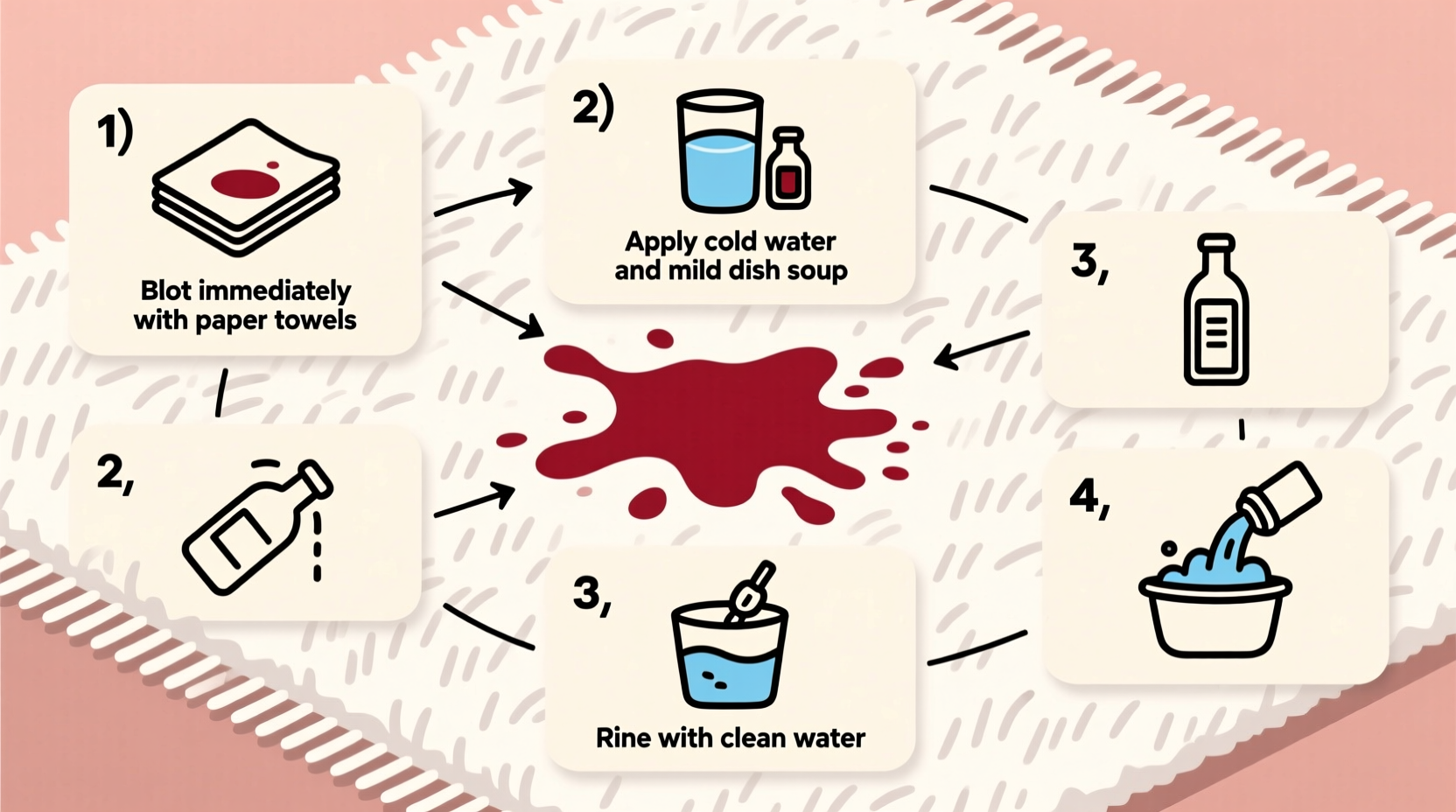
The moment red wine hits your rug, time becomes your most critical factor. Within seconds, the liquid begins to wick into the backing and surrounding fibers. The longer it sits, the deeper the penetration and the higher the chance of permanent staining.
Do not walk away to find cleaning supplies. Instead, act immediately using whatever absorbent material is nearby—paper towels, a clean cotton cloth, or even a napkin. The goal at this stage isn’t to clean, but to extract as much moisture as possible before chemical treatment begins.
Rubbing pushes the wine deeper into the pile and can fray synthetic or wool fibers. Use a pressing motion instead. Stack several layers of paper towel over the spot and apply firm, steady pressure for 30–60 seconds. Replace the towels as they absorb liquid. Repeat until no more wine transfers to the fabric.
Step-by-Step Guide to Safe Stain Removal
After initial blotting, follow a structured cleaning process designed to break down wine pigments without damaging the rug. This five-step method applies to most common rug materials, including wool, cotton, nylon, and polypropylene.
- Blot excess liquid – As described above, remove as much wine as possible with absorbent material.
- Mix a gentle cleaning solution – Combine one tablespoon of mild dish soap (like Dawn), one tablespoon of white vinegar, and two cups of lukewarm water. Avoid bleach or ammonia-based cleaners at this stage.
- Test on a hidden area – Apply a small amount of the solution to a corner or underside of the rug. Wait 10 minutes to check for colorfastness or texture changes.
- Apply and lift the stain – Dip a clean white cloth into the solution and gently dab the stained area. Do not soak the rug. After 5 minutes, blot again with a dry towel to draw out loosened residue.
- Rinse and dry – Dampen another cloth with cold water and lightly dab the area to remove soapy residue. Place a stack of dry paper towels over the spot and weigh it down with a heavy book to absorb remaining moisture overnight.
This sequence works because vinegar helps neutralize the tannins in wine, while dish soap emulsifies organic compounds. Together, they loosen the stain without aggressive scrubbing.
Common Mistakes That Make Stains Worse
Even well-intentioned efforts can backfire when dealing with delicate textiles. Below are frequent errors that compromise both the rug and the cleaning outcome.
| Don’t | Why It’s Harmful | Do This Instead |
|---|---|---|
| Use hot water | Heat sets protein and dye-based stains permanently. | Always use cold or lukewarm water. |
| Rub or scrub vigorously | Spreads the stain and damages fibers. | Blot gently with downward pressure. |
| Apply undiluted vinegar or alcohol | Can bleach or weaken certain fibers. | Dilute acids and test first. |
| Ignore the backing layer | Wine seeps through; trapped moisture causes mold. | Lift the rug and blot underneath if possible. |
| Use bleach on wool or silk rugs | Bleach degrades natural fibers and yellows them. | Opt for oxygen-based cleaners only if necessary. |
Avoiding these pitfalls preserves the rug’s texture and color. Remember: patience yields better results than force.
Alternative Cleaning Methods by Rug Type
Not all rugs respond the same way to cleaning agents. A solution safe for synthetic fibers may ruin a natural wool rug. Always identify your rug’s material before proceeding.
- Wool Rugs: Highly absorbent and sensitive to pH extremes. Use only pH-neutral cleaners. Avoid vinegar if the manufacturer advises against it. A mixture of cold water and a few drops of wool-safe detergent is safest.
- Synthetic Rugs (Nylon, Polyester, Polypropylene): More resilient. Can tolerate slightly stronger solutions, including diluted hydrogen peroxide (3%) if the stain persists after initial treatment.
- Cotton or Jute Rugs: Prone to water damage and warping. Limit moisture exposure. Blot thoroughly and dry immediately with fans or dehumidifiers.
- Silk or Hand-Knotted Rugs: Extremely delicate. Do not attempt DIY cleaning. Contact a professional textile conservator immediately.
Real Example: Recovering a Heirloom Wool Rug
Sarah Thompson, a homeowner in Portland, Oregon, spilled a full glass of Cabernet Sauvignon on her grandmother’s white wool rug during a dinner party. Panicked, she initially dabbed at it with a wet paper towel, which only spread the stain slightly. Then she paused, recalled advice from a carpet care seminar, and followed protocol.
She blotted with dry cloths, mixed a solution of cold water, mild soap, and a teaspoon of vinegar, tested it on the fringe, then applied it carefully. After blotting again and placing paper towels weighted with a book, she let it sit overnight. The next morning, the stain was nearly invisible. A week later, she had the entire rug professionally cleaned to ensure uniform brightness.
“I almost reached for club soda,” she said, “but I remembered it wasn’t recommended for wool. Taking those extra steps saved a family heirloom.”
“Immediate blotting is 80% of the battle. The remaining 20% is using the right chemistry for the fiber type.” — Dr. Lena Pruitt, Textile Restoration Specialist, National Carpet & Rug Institute
When to Call a Professional
While many red wine stains can be managed at home, some situations require expert intervention:
- The spill occurred more than 24 hours ago and has dried completely.
- The rug is antique, hand-woven, or made of silk or viscose.
- Home treatments have left behind a ring or discolored patch.
- The backing shows signs of mold or lingering dampness.
Professional cleaners use extraction machines, enzymatic treatments, and color-restoration techniques unavailable to consumers. They also assess whether the rug needs full immersion cleaning or localized restoration. For high-value rugs, investing in professional service after a major spill often prevents long-term depreciation.
Frequently Asked Questions
Can I use baking soda on a red wine stain?
Yes, but only after initial liquid removal. Sprinkle baking soda over the dampened stain to help absorb odor and residual moisture. Let it sit for 15–30 minutes before vacuuming. Do not mix baking soda directly with vinegar on the rug, as the fizzing reaction can push liquid deeper into fibers.
Is club soda effective for removing red wine stains?
Club soda has limited effectiveness and is outdated as a primary remedy. While the carbonation may help lift surface residue slightly, it lacks the surfactants needed to break down tannins. In some cases, the salt content in club soda can leave a residue that attracts dirt. It’s better suited as a temporary measure until proper cleaning supplies are available.
Will hydrogen peroxide remove a red wine stain?
Hydrogen peroxide (3%) can work on synthetic rugs as a last resort due to its mild bleaching action. However, it must be used cautiously. Test in an inconspicuous area first. Never use on wool, silk, or any natural fiber, as it can cause yellowing or fiber degradation. Always rinse thoroughly after application.
Prevention Tips for Future Protection
Once the stain is gone, take proactive steps to reduce future risks:
- Place protective pads or runners under dining areas where wine is frequently served.
- Treat rugs with a fiber protector spray that repels liquids (e.g., Scotchgard for rugs). Reapply every 6–12 months.
- Choose low-pile or flatweave rugs in high-traffic zones—they’re easier to clean and less likely to trap spills.
- Keep a spill response kit handy: microfiber cloths, mild detergent, white vinegar, and gloves.
Final Checklist: What to Do When Red Wine Spills
Keep this checklist printed or saved on your phone for quick reference during emergencies:
- Stay calm and prevent others from walking over the spill.
- Blot immediately with dry, absorbent cloths—no rubbing. <3>Remove excess liquid completely before applying any solution.
- Prepare a cleaning mix: 1 tsp dish soap + 1 tbsp vinegar + 2 cups cold water.
- Test the solution on an inconspicuous area.
- Dab gently, then blot again with a dry towel.
- Rinse with cold water and blot dry.
- Press with dry paper towels overnight to wick out moisture.
- Evaluate results after 24 hours. Repeat if necessary or consult a pro.
Conclusion: Act Wisely, Not Quickly
Removing a red wine stain from a white rug doesn’t require magic—just knowledge, calm execution, and respect for the material you’re treating. Rushing the process or using untested remedies can turn a minor accident into irreversible damage. By understanding the science of stains, choosing appropriate methods for your rug type, and knowing when to seek expert help, you protect not just the appearance but the longevity of your flooring investment.




 浙公网安备
33010002000092号
浙公网安备
33010002000092号 浙B2-20120091-4
Comments
No comments yet. Why don't you start the discussion?