
Red wine spills on carpet are one of the most dreaded household accidents. The deep pigments in red wine can quickly set into carpet fibers, leaving behind a stubborn, unsightly stain. While bleach might seem like an obvious solution, it’s not recommended for most carpets—it can discolor fibers, weaken fabric, and release harmful fumes. Fortunately, there are safe, effective, and bleach-free alternatives that deliver excellent results when used correctly. This guide walks through proven methods, real-world applications, and expert-backed strategies to rescue your carpet without risking damage.
Why Bleach Isn’t the Answer for Carpet Stains
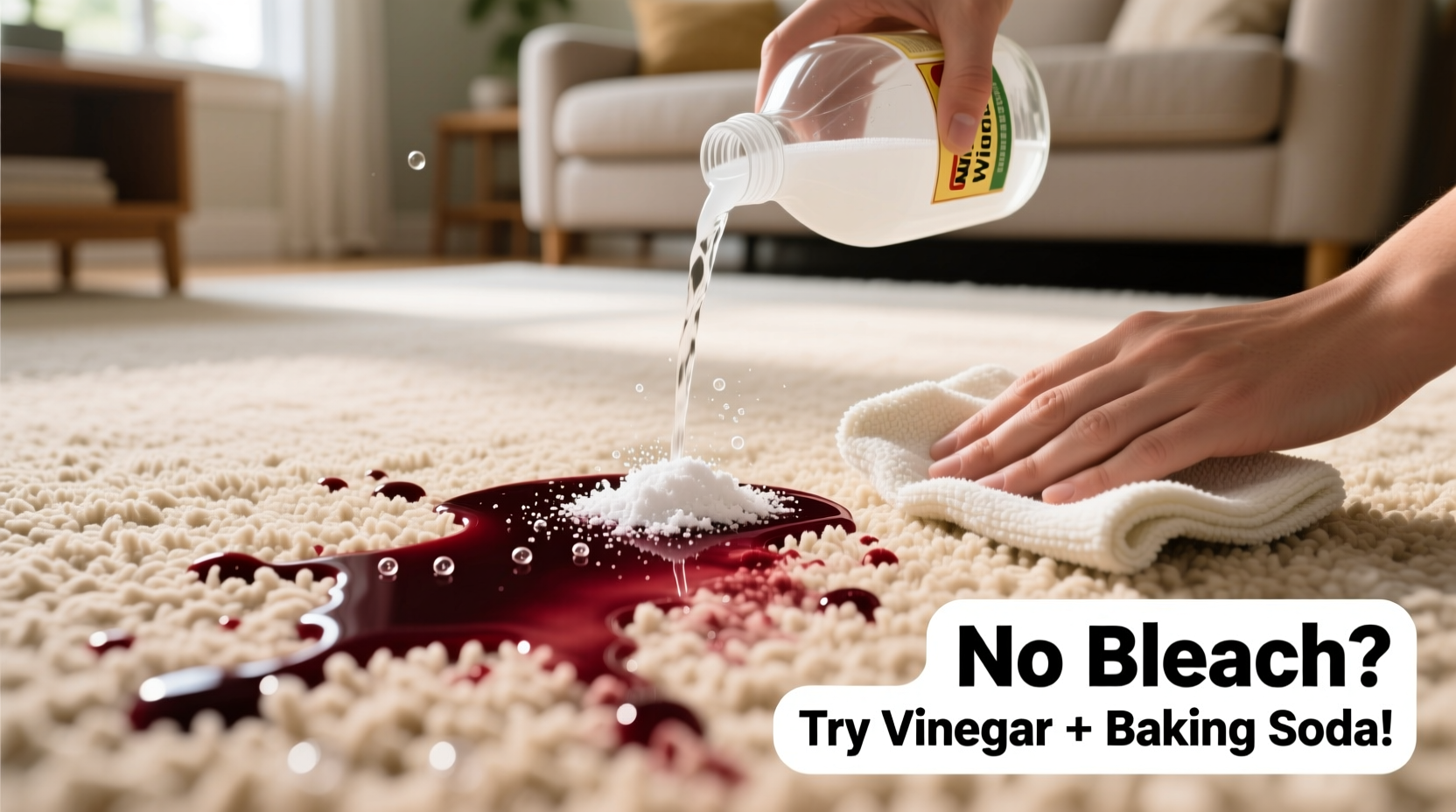
Bleach contains sodium hypochlorite, a powerful oxidizing agent designed to break down organic matter and lighten colors. While effective on white laundry, it poses several risks on carpet:
- Fiber damage: Wool, nylon, and even some synthetic blends degrade when exposed to bleach.
- Color loss: Even if the stain fades, the surrounding area may turn white or yellow.
- Odor and toxicity: Bleach emits strong fumes, especially problematic in poorly ventilated areas.
- Ineffective on tannin stains: Red wine is a tannin-based stain, and bleach doesn’t always neutralize tannins effectively.
“Using bleach on carpet is like using a sledgehammer to crack a nut. You’ll get attention—but likely not the result you want.” — Dr. Lena Peterson, Textile Chemist & Home Cleaning Researcher
Instead of reaching for harsh chemicals, opt for gentle yet powerful alternatives that lift stains without compromising your carpet’s integrity.
Immediate Actions: What to Do Right After the Spill
The first 60 seconds after a red wine spill are critical. Act fast to prevent the liquid from soaking deep into carpet padding and setting permanently.
- Blot, don’t rub: Use a clean, absorbent cloth or paper towel to gently press down on the spill. Rubbing spreads the wine and pushes it deeper.
- Work from the outside in: This prevents the stain from expanding outward.
- Use cold water only: Hot water sets protein and tannin stains. Dampen a second cloth with cold water and blot further to dilute remaining wine.
- Remove excess liquid: If available, use a wet vacuum or spoon to lift pooled wine before applying any cleaning solution.
Top 5 Bleach-Free Methods That Actually Work
These solutions leverage natural chemistry to break down red wine pigments safely. Always test any method in an inconspicuous area first to ensure colorfastness.
1. Dish Soap and Hydrogen Peroxide (Best for Light to Medium Stains)
A combination of liquid dish soap and hydrogen peroxide creates a mild oxidizing reaction that lifts wine without bleaching.
- Mix 1 teaspoon of clear dish soap (like Dawn) with ½ cup of 3% hydrogen peroxide.
- Apply directly to the stain using a spray bottle or dropper.
- Let sit for 5–10 minutes—no longer, as prolonged exposure may affect dye.
- Blot thoroughly with a clean cloth.
- Rinse with cold water and blot dry.
This method works best on synthetic carpets like nylon or polyester. Avoid on wool or silk, as peroxide can cause yellowing.
2. Baking Soda and Vinegar Paste (Ideal for Set-In Stains)
The effervescence of vinegar reacting with baking soda helps lift dried stains from carpet fibers.
- Blot up any surface moisture first.
- Mix 2 tablespoons of baking soda with enough white vinegar to form a thick paste.
- Spread the paste over the stain and let it bubble for 5–10 minutes.
- Gently scrub with a soft-bristle brush.
- Vacuum up residue once dry, then rinse with cold water and blot.
Repeat if necessary. This method is safe for most carpet types and also deodorizes.
3. Salt Absorption Method (For Fresh Spills Only)
Salt acts as a natural desiccant, drawing liquid out of carpet fibers before it sets.
- Immediately blot the spill.
- Cover the damp area generously with table salt or kosher salt.
- Wait 10–15 minutes for the salt to absorb moisture and pigment.
- Vacuum thoroughly.
- If a faint stain remains, follow up with dish soap and cold water.
This method is particularly useful during dinner parties or events where quick cleanup is essential.
4. Club Soda (Emergency On-the-Spot Solution)
Club soda’s carbonation and mineral content help dislodge wine particles from fibers.
- Pour club soda directly onto the fresh spill.
- Blot aggressively with a clean cloth.
- Repeat until no more color transfers to the cloth.
- Dry with a fan or open windows to prevent mildew.
It won’t work on old stains but is remarkably effective when applied immediately. Keep a chilled bottle in your bar cart for emergencies.
5. Enzyme-Based Cleaners (Best for Organic Stain Breakdown)
Enzyme cleaners contain biological agents that digest organic compounds like wine, coffee, and food residues.
- Choose a carpet-safe formula labeled for pet stains or organic spills.
- Apply according to label instructions—usually involves spraying, waiting 10–15 minutes, then blotting.
- Avoid cleaners with ammonia, which can react poorly with wine acids.
These are ideal for households with children or pets, as they’re non-toxic and leave no chemical residue.
Do’s and Don’ts: A Quick Reference Table
| Do | Don't |
|---|---|
| Blot spills immediately with a clean cloth | Rub or scrub the stain aggressively |
| Use cold water to dilute the wine | Apply hot water—it sets the stain |
| Test any solution in a hidden area first | Assume all carpets react the same way |
| Use white vinegar, not dark or balsamic | Use colored vinegars—they may stain |
| Ventilate the room during cleaning | Seal the room—trapped moisture breeds mold |
| Allow time for full drying (6–12 hours) | Walk on or cover the damp area too soon |
Real Example: Rescuing a Living Room Carpet After Dinner
Sarah hosted a small dinner party when a guest knocked over a glass of Cabernet Sauvignon onto her beige Berber carpet. She remained calm and followed these steps:
- She immediately grabbed paper towels and blotted vertically, absorbing 80% of the spill.
- She sprinkled kosher salt over the damp spot and left it for 12 minutes while continuing to host.
- After guests left, she vacuumed the salt and mixed a solution of dish soap and hydrogen peroxide.
- She applied it gently, waited 7 minutes, then blotted with a microfiber cloth.
- Finally, she rinsed with cold water and placed a fan nearby overnight.
The next morning, the carpet was clean and dry—with no visible trace of the accident. Sarah later said, “I thought I’d have to replace the whole section. But acting fast and skipping bleach saved hundreds.”
Step-by-Step Timeline for Best Results
Follow this timeline to maximize stain removal success:
- 0–60 seconds: Blot with dry cloth. Do not delay.
- 1–5 minutes: Apply salt or pour club soda if available.
- 5–15 minutes: Prepare your chosen cleaning solution (soap/peroxide, vinegar/baking soda).
- 15–30 minutes: Apply solution, wait, then blot.
- 30–60 minutes: Rinse with cold water and blot again.
- 1–12 hours: Allow to air dry completely. Use fans or open windows.
- Next day: Vacuum to restore texture. Inspect for residual staining.
If the stain persists, repeat the process or switch methods. Multiple treatments are often needed for older spills.
Frequently Asked Questions
Can I use rubbing alcohol to remove red wine stains?
Rubbing alcohol can be effective but carries risks. It may dissolve certain synthetic fibers or leave a sticky residue. If used, dilute 1:1 with water, apply sparingly, and blot immediately. Not recommended for wool or delicate rugs.
How long does it take for a red wine stain to become permanent?
Tannins in red wine begin bonding with carpet fibers within 24 hours. However, heat, foot traffic, and humidity accelerate setting. Ideally, treat within the first hour for best results. Older stains (over 48 hours) require multiple treatments and stronger solutions like enzyme cleaners.
Are store-bought carpet cleaners better than homemade ones?
Commercial products like Resolve or Bissell Advanced SpotLift are formulated for specific fiber types and often include surfactants and stabilizers for consistent performance. However, DIY solutions using dish soap, peroxide, and vinegar are just as effective when used promptly and correctly—and cost a fraction. Choose based on urgency, availability, and carpet type.
Expert Tips for Preventing Future Stains
Prevention is always easier than cleanup. Consider these proactive measures:
- Use stemless wine glasses or plastic crystalware in high-traffic areas.
- Place area rugs or runners under dining tables and sofas.
- Treat carpets with a protective coating like Scotchgard, which repels liquids.
- Host gatherings with wine stations away from carpeted zones.
- Keep a stain-removal kit accessible—especially during holidays or parties.
“The key isn’t perfection—it’s preparedness. Having the right tools ready turns a disaster into a minor inconvenience.” — Marcus Reed, Professional Upholstery Cleaner
Conclusion: Save Your Carpet Without Harsh Chemicals
Removing red wine stains from carpet doesn’t require bleach or expensive equipment. With quick action, household ingredients, and the right technique, most spills can be fully reversed. Whether you choose the bubbling power of baking soda and vinegar, the lifting action of dish soap and peroxide, or the simplicity of salt absorption, the goal is consistent, gentle treatment without damaging your carpet’s fibers.
Remember: speed matters, testing matters, and patience matters. Let solutions dwell, blot thoroughly, and allow full drying time. Your carpet will thank you with years of beauty and resilience.




 浙公网安备
33010002000092号
浙公网安备
33010002000092号 浙B2-20120091-4
Comments
No comments yet. Why don't you start the discussion?