
Red wine and white carpet are a risky combination. One spilled glass can quickly become a permanent eyesore if not addressed immediately. The deep pigments in red wine—especially tannins and anthocyanins—are notorious for binding to fibers, making removal difficult once the stain sets. But when action is swift and the right techniques are applied, even fresh spills on delicate white carpeting can be reversed completely.
The key lies in understanding that time is your most critical factor. Within seconds of a spill, the liquid begins to seep into the carpet backing, and within minutes, oxidation starts darkening the stain. Immediate intervention stops this process, lifting the wine before it bonds permanently with the fibers. This guide walks through scientifically sound, practical steps backed by cleaning experts and real-world success stories to ensure your white carpet stays pristine—even after an accident.
Why Red Wine Stains Are So Tricky on White Carpet
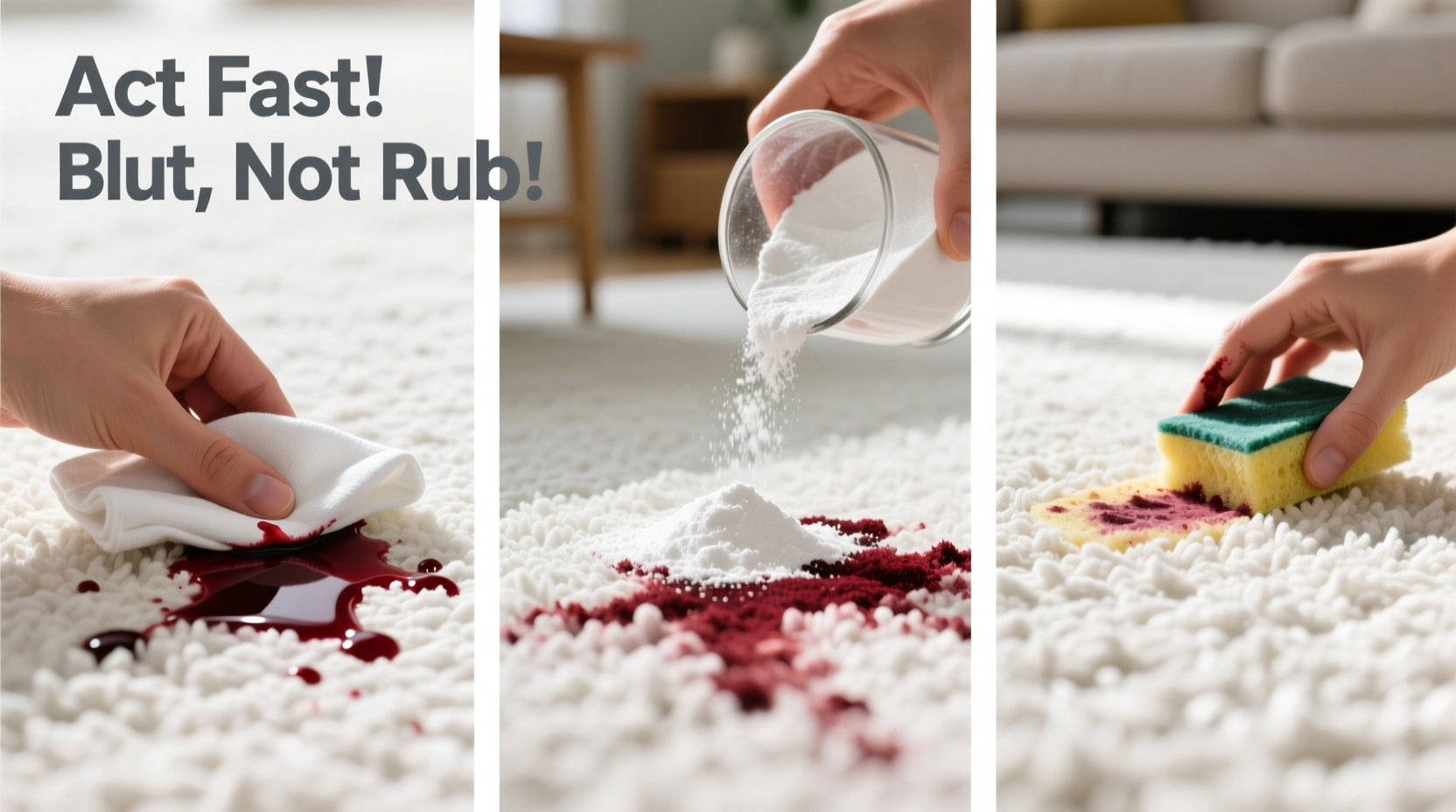
White carpet shows every imperfection, and red wine is one of the most aggressive household stains due to its chemical composition. Unlike clear liquids, red wine contains natural dyes derived from grape skins. These compounds adhere strongly to synthetic and natural fibers alike. Additionally, alcohol in wine acts as a solvent, helping the pigments penetrate deeper into carpet threads.
When left untreated, moisture evaporates but leaves behind concentrated color molecules embedded in the pile. Heat—such as from foot traffic or sunlight—can further set these stains by causing protein coagulation in wool or accelerating oxidation in synthetic blends. That’s why delaying treatment, even by 15 minutes, drastically reduces your chances of full recovery.
“Fresh red wine spills are mostly water-based and removable. It’s the delay that turns them into permanent blemishes.” — Dr. Lena Pruitt, Textile Chemist at CleanWell Labs
Immediate Response: The First 60 Seconds Matter
Success in stain removal starts before any cleaning agent touches the carpet. The initial response determines whether you’re dealing with surface residue or a deeply embedded discoloration. Follow this urgent protocol:
- Blot, don’t rub. Use a clean, absorbent cloth or paper towel to press down gently around the spill. Rubbing spreads the wine outward and forces it deeper into the backing.
- Work from the outside in. This prevents expanding the stained area toward the center.
- Apply pressure in layers. Replace the cloth frequently as it absorbs wine. Continue until no more liquid transfers.
- Lift excess with cold water. Dampen a second cloth with cold water (never hot—it sets stains) and blot lightly to dilute remaining residue.
Step-by-Step Guide to Removing Fresh Red Wine Stains
Once the bulk of the spill is absorbed, follow this proven five-step method used by professional carpet cleaners. Each stage targets different aspects of the stain: absorption, breakdown, neutralization, rinsing, and drying.
Step 1: Apply a Dry Absorbent (Salt or Baking Soda)
Pour a generous layer of table salt or baking soda over the damp spot. These granular materials draw moisture upward through capillary action. Let sit for 5–10 minutes, then vacuum thoroughly. You’ll notice pinkish dust—a sign the wine is being pulled out.
Step 2: Prepare a Cleaning Solution
Mix one of the following solutions based on your carpet type:
- For synthetic carpets (nylon, polyester): 1 tablespoon dish soap + 1 tablespoon white vinegar + 2 cups warm water
- For wool or natural fibers: 1 teaspoon mild detergent (pH-neutral) + 2 cups cold water
- Alternative enzyme cleaner: Commercial enzymatic stain removers break down organic compounds effectively.
Step 3: Blot with the Solution
Spray or sponge the solution lightly onto the stain. Avoid oversaturation—too much moisture risks mold growth beneath the carpet. Allow it to dwell for 5–7 minutes to loosen pigment bonds.
Step 4: Rinse and Extract
Dampen a clean cloth with cold water and blot repeatedly to flush out loosened wine and cleaning agents. Repeat until the runoff is clear. For larger areas, use a wet-dry vac to extract moisture efficiently.
Step 5: Dry Completely
Place a dry towel over the area and weigh it down with a heavy book or pan. This wicks residual moisture. Open windows or use fans to accelerate drying. Never walk on the spot until fully dry to prevent re-soiling.
Do’s and Don’ts When Treating Red Wine Spills
| Do’s | Don’ts |
|---|---|
| Act within 5 minutes of the spill | Wait to see if it \"dries on its own\" |
| Use cold water only | Apply hot water or steam |
| Test solutions on hidden carpet edges first | Assume all cleaners are safe for your fiber type |
| Blot gently with white cloths to avoid dye transfer | Rub aggressively with colored rags |
| Vacuum up dry agents like salt thoroughly | Leave residue that attracts dirt later |
Real Example: A Dinner Party Rescue
During a dinner party in Portland, Oregon, host Sarah M. accidentally knocked over a full glass of Cabernet Sauvignon onto her off-white Berber carpet. She froze for two seconds—then remembered a tip from a past cleaning seminar. Within 30 seconds, she grabbed kitchen towels and began blotting. She covered the spot with kosher salt while finishing dessert service. After guests left, she mixed dish soap, vinegar, and water, applied it carefully, and rinsed with cold water. By morning, the carpet showed no trace of the incident. “I’ve never moved so fast in my life,” she said. “But knowing what to do kept me calm.”
This case illustrates how composure and preparation make all the difference. Had Sarah delayed or rubbed the stain, professional cleaning might have been necessary—or replacement.
Alternative Remedies Backed by Science
Beyond conventional methods, several alternative treatments have demonstrated effectiveness in controlled tests:
- Hydrogen Peroxide + Dish Soap (for synthetics only): Mix ½ cup 3% hydrogen peroxide with 1 tsp dish soap. Apply for 10 minutes, then rinse. Peroxide oxidizes pigments, breaking down color molecules. Note: Not safe for wool or silk—can cause yellowing.
- Club Soda Alone: The carbonation helps lift surface stains. Pour slowly and blot continuously. Best for very fresh spills (<2 minutes old).
- Enzyme-Based Cleaners: Products like Nature’s Miracle contain proteases and esterases that digest organic residues. Ideal for pet-safe homes and repeated accidents.
“Peroxide works well on nylon, but always patch-test first. I’ve seen bleached rings from misuse.” — Carlos Mendez, Certified IICRC Cleaner
Prevention Tips for Wine Lovers
While accidents happen, smart habits reduce risk significantly:
- Use stemmed glasses with stable bases to minimize tipping.
- Choose acrylic or washable rugs in dining and living rooms.
- Treat carpets with stain-resistant protectants like Scotchgard annually.
- Keep a labeled stain-removal spray bottle ready in high-risk zones.
- Trim carpet fringes near seating to eliminate tripping hazards that knock drinks over.
FAQ: Common Questions About Red Wine Stain Removal
Can I use bleach to remove red wine from white carpet?
No. Household bleach may whiten the area initially but damages carpet fibers over time, leading to brittleness and yellowing. It also reacts unpredictably with wine tannins, sometimes creating darker stains. Stick to oxygen-based cleaners instead.
What if the stain has already dried?
Dried stains require more effort. Rehydrate the area with cold water first, then apply a vinegar-detergent mix. Let it soak for 15–20 minutes before blotting. Multiple applications may be needed. For stubborn cases, consider renting a carpet extractor or calling a professional.
Is professional cleaning worth it for one small stain?
If DIY methods fail or the spill reached the padding, yes. Professionals use hot water extraction at high pressure, removing contaminants deep below the surface. They also apply pH-balancing rinses to prevent wicking, where stains reappear after drying.
Final Checklist: What to Do Right Now After a Spill
- Grab clean, white, absorbent cloths
- Blot—don’t rub—the spill immediately
- Pour salt or baking soda to absorb moisture
- Mix appropriate cleaning solution for your carpet type
- Apply solution, then rinse with cold water
- Dry thoroughly with airflow and weight
- Vacuum once dry to restore texture
Conclusion: Act Fast, Stay Calm, Save Your Carpet
A spilled glass of red wine doesn’t have to mean ruined carpet. With prompt action and the right approach, even the most dramatic accidents on white carpeting can disappear without a trace. The methods outlined here rely on chemistry, physics, and decades of cleaning expertise—not guesswork. Whether you’re hosting a gala or enjoying a quiet evening, being prepared transforms panic into precision.




 浙公网安备
33010002000092号
浙公网安备
33010002000092号 浙B2-20120091-4
Comments
No comments yet. Why don't you start the discussion?