
A spilled glass of red wine on a white carpet can feel like a disaster in slow motion. The deep crimson spreads quickly, threatening to leave a permanent mark on your pristine flooring. But before you panic or reach for the phone to call a cleaning service, know this: most red wine stains can be removed effectively at home with immediate action and the right techniques.
The key lies in understanding the nature of the stain and acting swiftly. Red wine is a tannin-based liquid, which means it binds to fibers and sets quickly, especially under pressure or heat. However, with simple household ingredients and proper methodology, even fresh or slightly set stains can be reversed—without damaging your carpet.
Why Red Wine Stains Are Tricky (But Not Impossible)
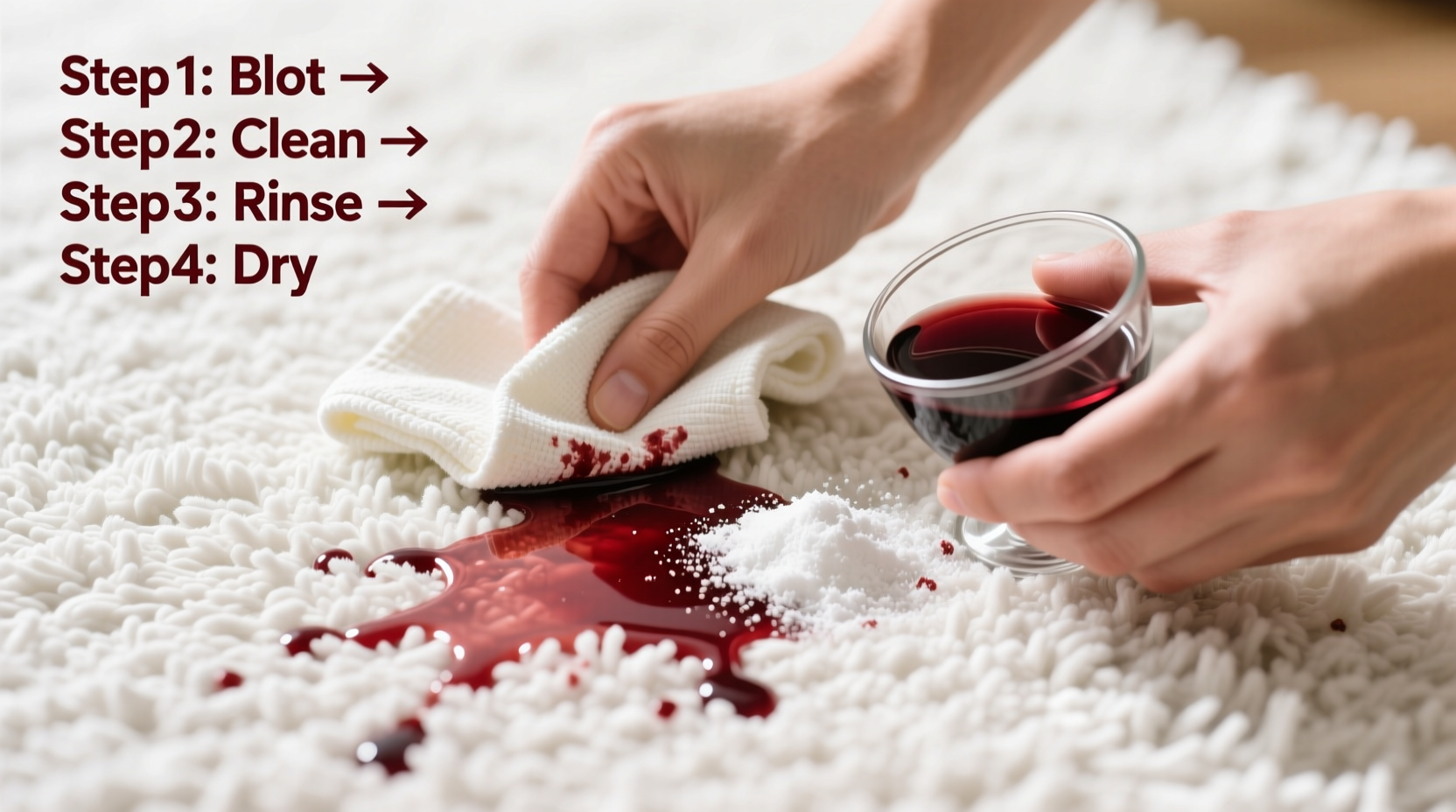
Red wine contains natural dyes from grape skins, tannins, and acids. When spilled on a white carpet, these compounds penetrate carpet fibers rapidly. If not addressed immediately, oxidation causes the stain to darken, making it appear more severe over time. Additionally, rubbing the spill incorrectly can push the wine deeper into the backing or spread the stain further.
Despite their reputation, red wine stains are often easier to treat than oil-based or protein stains because they respond well to mild acids and absorbent materials. The real difference between success and failure? Speed and method.
“Time is your biggest enemy with wine spills. The first 60 seconds after a spill determine whether you’ll have a minor mishap or a lasting blemish.” — Dr. Lena Pruitt, Textile Restoration Specialist, American Cleaning Institute
Immediate Response: What to Do in the First 5 Minutes
Your actions in the first few minutes post-spill are critical. Follow this timeline to minimize damage:
- Don’t rub. Blotting is essential; rubbing grinds the wine into fibers and widens the affected area.
- Use a clean, dry cloth or paper towel. Press down firmly around the edges of the spill to contain it, then work inward. Replace the cloth as it becomes saturated.
- Apply salt or baking soda. While still damp, cover the stain with a thick layer of table salt or baking soda. These act as absorbents, pulling moisture and pigment from the fibers.
- Let it sit for 5–10 minutes. This gives the granules time to soak up as much liquid as possible.
- Vacuum gently. Remove the residue carefully to avoid spreading any remaining particles.
Step-by-Step Guide: Removing Set and Fresh Stains
Even if you missed the golden five-minute window, don’t give up. Most stains can still be treated effectively within 24 hours. Below is a proven, multi-method approach based on stain age and severity.
Fresh Spills (Less Than 1 Hour Old)
- Blot excess wine with a microfiber cloth until no more transfers.
- Spray the area lightly with cold water to dilute residual wine.
- Mix one tablespoon of dish soap (like Dawn) with two cups of cool water.
- Dip a clean cloth into the solution and dab the stain—do not soak.
- Rinse by dabbing with a cloth soaked in plain cold water.
- Blot dry with a towel and allow to air dry completely.
Slightly Set Stains (1–24 Hours Old)
- Prepare a hydrogen peroxide and dish soap solution: mix ½ cup 3% hydrogen peroxide, one tablespoon clear dish soap, and one tablespoon baking soda.
- Test on an inconspicuous area first—hydrogen peroxide can lighten some synthetic fibers.
- Apply the mixture directly to the stain using a soft brush or sponge, working from the outside in.
- Let sit for 5–10 minutes (no longer, to avoid fiber damage).
- Blot thoroughly with a damp cloth, then dry with a towel.
- If color remains, repeat once after 24 hours.
Older or Dried Stains (Over 24 Hours)
- Rehydrate the stain: apply a few drops of glycerin or a small amount of milk to soften the dried wine residue.
- Wait 15 minutes to allow penetration.
- Create a vinegar solution: mix one part white vinegar with two parts water.
- Dab onto the area and let sit for 10 minutes.
- Follow with the hydrogen peroxide cleaning solution above.
- Rinse and blot dry.
Do’s and Don’ts: A Quick Reference Table
| Do’s | Don’ts |
|---|---|
| Blot, don’t rub the stain | Rub or scrub aggressively |
| Use cold water only | Use hot water or steam |
| Test solutions on hidden areas | Apply undiluted bleach or ammonia |
| Work from the outside in | Soak the carpet excessively |
| Ventilate the room when using vinegar or peroxide | Mix vinegar and hydrogen peroxide in the same container (they neutralize each other) |
Real Example: How Sarah Saved Her Living Room Carpet
Sarah hosted a dinner party where a guest accidentally knocked over a full glass of Cabernet Sauvignon onto her off-white wool-blend carpet. She didn’t have a cleaning product on hand but remembered reading about salt absorption.
She immediately grabbed a roll of paper towels and blotted the spill, then poured a generous amount of kosher salt over the wet spot. After 10 minutes, she vacuumed the crystals and applied a mix of dish soap and cold water using a clean kitchen sponge. She repeated the rinse step three times to ensure all soapy residue was gone.
The next morning, the stain was nearly invisible. A week later, during routine vacuuming, she noticed no discoloration. By acting quickly and avoiding harsh chemicals, Sarah preserved both the appearance and integrity of her carpet.
Alternative Household Solutions That Work
Not everyone keeps specialty cleaners at home, but many common pantry items double as effective stain removers. Here are three reliable alternatives:
- Club Soda: Pour directly onto the fresh spill and blot. The carbonation helps lift the wine from fibers. Ideal for immediate response when nothing else is available.
- White Vinegar and Baking Soda Paste: Mix to form a thick paste, apply to the stain, wait 15 minutes, then blot. Neutralizes odors and breaks down organic compounds.
- Hydrogen Peroxide Alone (for light-colored carpets): Apply a small amount directly to the stain, wait 5 minutes, then blot. Effective for older stains but always test first.
“Household remedies aren’t just folklore—they’re chemistry in action. Vinegar’s acidity counteracts wine pigments, while peroxide oxidizes and lifts them.” — Dr. Alan Zhou, Chemist & Home Care Researcher
Checklist: Your At-Home Red Wine Stain Removal Plan
Print or save this checklist for quick reference during future spills:
- ✅ Grab clean, absorbent cloths or paper towels
- ✅ Blot—don’t rub—the spill immediately
- ✅ Sprinkle salt or baking soda to absorb moisture
- ✅ Prepare a cleaning solution (dish soap + water or vinegar mix)
- ✅ Test solution on an inconspicuous area
- ✅ Dab gently, working outward
- ✅ Rinse with cold water and blot dry
- ✅ For older stains, rehydrate with glycerin or milk first
- ✅ Allow full air drying—avoid foot traffic for 6+ hours
- ✅ Vacuum lightly once dry to restore texture
Frequently Asked Questions
Can I use bleach to remove red wine stains from white carpet?
No. Household bleach (sodium hypochlorite) can react with red wine tannins and turn the stain pink or orange. It also weakens carpet fibers and may cause yellowing over time. Stick to oxygen-based cleaners like hydrogen peroxide instead.
Will vinegar damage my carpet?
White vinegar is generally safe for most synthetic and natural fiber carpets when diluted (1 part vinegar to 2 parts water). However, excessive use can degrade adhesives in some carpet backings. Always rinse thoroughly after application and avoid using on wool—vinegar’s acidity can felt or shrink animal fibers.
What if the stain comes back after drying?
This usually happens due to wicking—residual wine trapped in the carpet padding rises back to the surface. To prevent this, blot deeply during cleaning and consider placing a stack of paper towels and a heavy book over the area overnight to draw out lingering moisture. If the stain reappears, repeat the cleaning process with a focus on deeper extraction.
Final Tips for Long-Term Carpet Care
Prevention is just as important as treatment. Consider applying a carpet protector spray after deep cleaning to create a barrier against future spills. These products contain fluoropolymers that repel liquids, giving you extra time to respond.
Additionally, rotate high-traffic rugs seasonally to distribute wear evenly. Regular vacuuming—at least twice a week—removes abrasive particles that grind into fibers and make stains harder to clean.
Conclusion: Confidence Starts With Preparation
Dealing with a red wine spill doesn’t require a professional or expensive gear. With prompt action, basic supplies, and the right technique, you can preserve the beauty of your white carpet for years. The methods outlined here are backed by textile experts, chemists, and real-world results.
Next time a glass tips over, stay calm and act fast. You’ve got the knowledge—and now, the confidence—to handle it yourself.




 浙公网安备
33010002000092号
浙公网安备
33010002000092号 浙B2-20120091-4
Comments
No comments yet. Why don't you start the discussion?