
Matt finish phone cases are prized for their sleek, non-reflective appearance and soft-touch feel. However, their textured surface is particularly vulnerable to fine scratches, scuffs, and micro-abrasions—often caused by keys in pockets, rough surfaces, or even improper cleaning. Unlike glossy finishes that can be buffed to a shine, matte coatings rely on a delicate surface structure to maintain their look. Aggressive polishing or abrasive cleaners can strip this texture, leaving behind shiny patches or uneven spots. The challenge lies in reducing the visibility of scratches while preserving the original matte character. Fortunately, with the right techniques and materials, most minor to moderate damage can be addressed effectively at home.
Understanding Matte Finish Materials
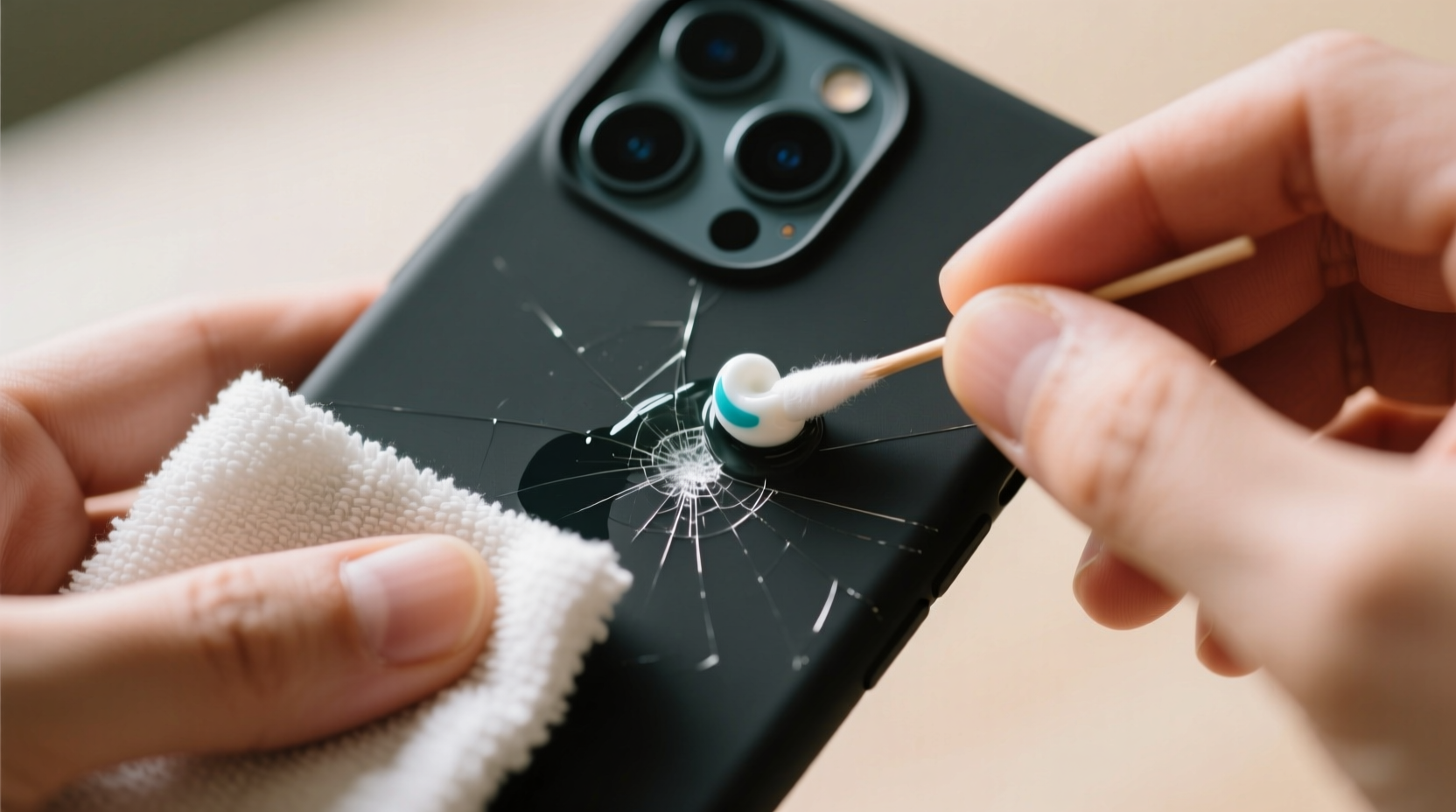
Matt phone cases are typically made from one of three base materials: polycarbonate (plastic), thermoplastic polyurethane (TPU), or silicone, all coated with a special matte finish—either through a chemical treatment or a textured outer layer. This finish diffuses light rather than reflecting it, which gives the case its signature low-sheen appearance. However, because the texture is often microscopically porous or slightly raised, any disruption—like a scratch—can alter how light interacts with the surface, making the blemish more noticeable.
The key to successful scratch repair is recognizing that you're not trying to \"polish out\" the scratch like you would on glass or metal. Instead, your goal is to minimize contrast between the scratched area and the surrounding surface. Over-polishing or using harsh abrasives risks removing the matte coating entirely, resulting in a glossy spot that stands out more than the original scratch.
“Matte finishes are designed to scatter light. Once you compromise that texture, the visual uniformity breaks down. Gentle correction is always better than aggressive removal.” — Dr. Lena Torres, Materials Scientist specializing in polymer coatings
Step-by-Step Guide to Safely Reduce Scratch Visibility
Removing scratches from a matte phone case requires patience and precision. Follow this detailed process to address common surface damage without altering the overall finish.
- Clean the Case Thoroughly
Use a microfiber cloth dampened with isopropyl alcohol (70%) or mild soapy water to wipe away dirt, oils, and debris. Allow the case to dry completely before proceeding. Any particles left on the surface could cause additional micro-scratches during treatment. - Assess the Scratch Depth
Determine whether the scratch is superficial (only affecting the top coating) or deep (cutting into the underlying plastic). Run a fingernail over the scratch. If you feel a catch, it’s likely deeper. Superficial marks respond best to gentle treatments; deeper ones may require multiple passes or professional refinishing. - Apply a Matte-Safe Scratch Reducer
Use a product specifically formulated for matte plastics, such as a silicone-based matte restorer or a dedicated matte finish touch-up solution. Apply a small amount to a clean microfiber cloth and gently rub in circular motions over the scratched area. Avoid household furniture polishes or car waxes—they contain gloss-enhancing agents that will ruin the matte effect. - Buff Lightly with a Non-Abrasive Pad
If no specialized product is available, use a very fine-grade melamine foam (like a white Magic Eraser) with minimal pressure. Dampen the foam slightly and dab—do not scrub—over the scratch. This works by gently leveling microscopic peaks around the scratch, reducing shadowing. Rinse the area afterward and dry immediately. - Evaluate and Repeat if Necessary
After 10–15 seconds of treatment, stop and inspect under natural light. Overworking the area increases the risk of sheen. If improvement is partial, wait 24 hours before attempting a second pass to avoid heat buildup or coating fatigue.
Do’s and Don’ts: Preserving Your Matte Finish
| Do | Don’t |
|---|---|
| Use microfiber cloths for cleaning | Use paper towels or rough fabrics |
| Clean regularly to prevent grime buildup | Let oily residue sit for days |
| Store the case in a soft pouch when not in use | Leave it loose in a bag with keys or coins |
| Apply matte-specific protective sprays | Use wax-based or silicone-heavy polishes |
| Treat scratches early before oxidation sets in | Ignore deep gouges that trap moisture |
Effective Home Remedies That Work (and One That Doesn’t)
While many online tutorials suggest toothpaste or baking soda as universal scratch removers, these are generally unsuitable for matte finishes. Toothpaste contains mild abrasives designed for enamel, which are too harsh for delicate polymer coatings and can create swirl marks. Baking soda paste is even more abrasive and almost certain to leave a shiny patch.
However, two safer alternatives have proven effective in controlled conditions:
- Isopropyl Alcohol Dilution (50/50 with Water): For very light surface haze or scuff marks, a diluted alcohol solution can help dissolve contaminants embedded in the texture. Apply with a cloth, do not soak, and dry immediately.
- Matte Clear Coat Pen: Available from electronics accessory brands, these pens apply a thin layer of matte polymer to fill shallow scratches. They work best on linear marks and require careful application to avoid overlap.
One lesser-known but effective technique involves using a heat gun or hair dryer on the lowest setting held 12 inches away. Brief exposure (2–3 seconds) can slightly soften TPU-based cases, allowing surface tension to pull minor indentations flatter. This must be done cautiously—overheating causes warping or bubbling.
Real Example: Repairing a Daily-Use TPU Case
Jamie, a graphic designer in Portland, noticed spiderweb-like scratches forming on her matte black iPhone case after three months of daily carry in her backpack. She initially tried rubbing it with a kitchen sponge, which worsened the appearance by creating a shiny streak. After researching safe methods, she cleaned the case with soapy water, dried it thoroughly, and applied a matte finish restorer recommended by a tech accessories blog. Using a microfiber cloth, she rubbed the affected area in small circles for 20 seconds. The scratches didn’t vanish, but their visibility dropped by about 70%. She now stores the phone in a fabric-lined compartment and cleans the case weekly, preventing further deterioration.
This case illustrates a critical point: complete invisibility isn’t always achievable, but significant improvement is possible with the right approach. Jamie’s success came not just from the product used, but from applying it correctly and managing expectations.
Checklist: How to Safely Treat a Scratched Matte Case
- Remove the phone from the case
- Clean the case with mild soap and water or 70% isopropyl alcohol
- Dry completely with a lint-free cloth
- Inspect scratch depth using tactile and visual assessment
- Test chosen method on a hidden area
- Apply matte-safe restorer or use melamine foam with minimal pressure
- Buff gently in small circular motions
- Rinse and dry again if needed
- Evaluate results under natural light
- Repeat only if necessary and spaced 24 hours apart
- Apply a matte-protectant spray for future resistance
Frequently Asked Questions
Can I use nail polish remover on my matte case?
No. Most nail polish removers contain acetone, which can dissolve or cloud plastic surfaces, especially polycarbonate and TPU. Even non-acetone versions often include ethyl acetate or other solvents that degrade matte coatings. Stick to isopropyl alcohol below 70% concentration for cleaning only.
Will a screen protector fix case scratches?
No. Screen protectors shield your phone’s display, not the case. In fact, a poorly fitted screen protector with overhang can contribute to case scratching when inserting or removing the phone. Ensure your screen protector is flush with the phone’s edge to prevent friction.
How long does a matte finish typically last?
With regular use, a matte finish can begin showing wear in 2–6 months, depending on handling and environment. Frequent contact with abrasive surfaces, sweat, and pocket debris accelerates degradation. Proper maintenance can extend its life to a year or more.
Preventing Future Scratches
Once you’ve restored your case, prevention becomes essential. Consider these habits to preserve the matte finish:
- Keep the phone in a separate compartment from keys, coins, or pens.
- Avoid placing it face-down on rough surfaces like concrete, gravel, or unfinished wood.
- Wash your hands before frequent phone handling to reduce oil transfer.
- Use a matte-protectant spray every 4–6 weeks to reinforce the coating.
- Rotate between two cases to reduce wear on a single one.
Some users opt for clear matte cases with UV-resistant coatings, which offer better longevity and allow for decorative skins underneath. These can be easier to maintain and replace without losing aesthetic flexibility.
Conclusion: Care With Intention, Restore With Precision
Scratches on a matte phone case don’t have to mean replacement. With a clear understanding of the material and a careful, methodical approach, most surface damage can be minimized without compromising the finish. The goal isn’t perfection—it’s restoration of visual harmony. By choosing the right tools, avoiding common pitfalls, and adopting preventative habits, you can keep your device looking refined and intentional for months longer.




 浙公网安备
33010002000092号
浙公网安备
33010002000092号 浙B2-20120091-4
Comments
No comments yet. Why don't you start the discussion?