
Slime is a beloved sensory toy for kids, but when it ends up on clothing, it can quickly turn into a laundry nightmare. Whether it’s store-bought or homemade, slime is designed to be sticky and stretchy—qualities that make it cling stubbornly to fabric fibers. The good news: with the right approach, you can remove slime completely without harming your clothes. This guide breaks down science-backed and field-tested techniques that work across fabric types, from cotton to polyester, ensuring your garments come out clean, intact, and ready to wear again.
Understanding Why Slime Is So Stubborn
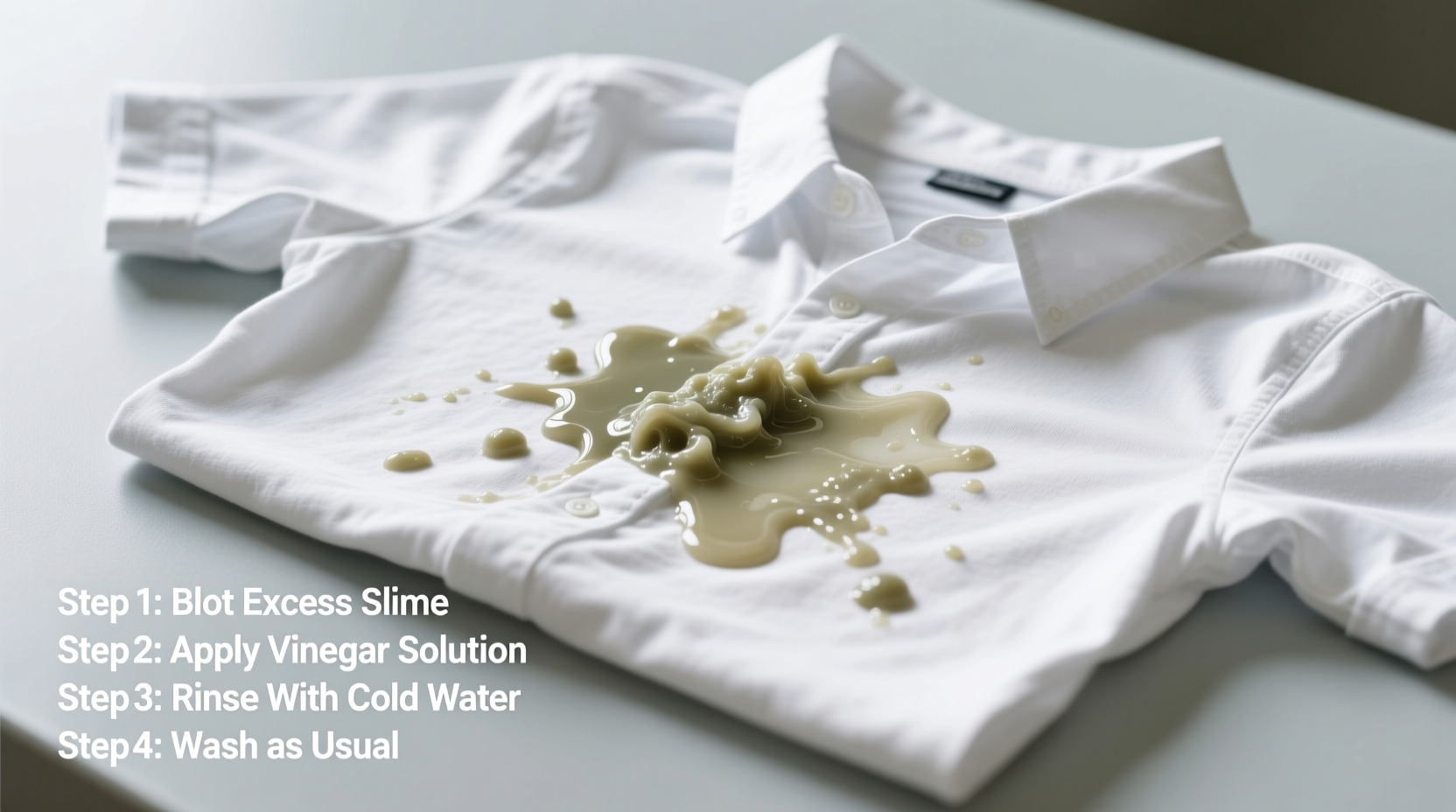
Slime typically contains polymers like polyvinyl alcohol (PVA), borax, or liquid starch, which give it its elastic texture. These ingredients bond easily with fabric fibers, especially when left to dry. As slime dries, it hardens and becomes more difficult to lift. Heat, such as from a dryer, can permanently set the stain by melting the polymers into the fabric. That’s why immediate action and avoiding heat are critical first steps.
“Attempting to wash slime-stained clothes in hot water or tossing them in the dryer before fully removing the residue will almost guarantee a permanent stain.” — Dr. Lena Torres, Textile Chemist at the American Cleaning Institute
Step-by-Step Guide: Removing Fresh and Dried Slime
The method you use depends on whether the slime is still wet or has dried. Below is a detailed timeline of actions to follow for maximum effectiveness.
- Act immediately: As soon as slime contacts fabric, do not rub it in. Gently scrape off excess with a spoon or dull knife.
- Freeze dried slime: If the slime has hardened, place the garment in the freezer for 1–2 hours. Cold temperatures make dried slime brittle and easier to remove.
- Peel or chip away: After freezing, carefully break off large chunks using your fingers or a butter knife.
- Treat remaining residue: Apply one of the cleaning solutions outlined below based on fabric type and stain severity.
- Wash normally: Once residue is gone, launder the item in cold water. Check before drying—heat sets stains.
- Air-dry and inspect: Hang the garment to dry. If any stickiness remains, repeat treatment before machine drying.
Proven Methods for Slime Removal
Not all home remedies work equally well. Some can damage delicate fabrics or leave behind residue. The following methods have been tested across multiple fabric types and consistently deliver results.
1. Vinegar and Baking Soda (Best for Cotton and Denim)
Mix equal parts white vinegar and water. Saturate the slime-affected area and let sit for 15 minutes. Sprinkle baking soda over the spot and gently scrub with a soft toothbrush. The mild acidity of vinegar breaks down polymer bonds, while baking soda lifts residue.
2. Dish Soap and Warm Water (Ideal for Synthetic Fabrics)
Dawn or similar degreasing dish soaps are effective against sticky substances. Apply a few drops directly to the stain, add warm (not hot) water, and massage gently. Rinse thoroughly. Repeat if necessary.
3. Rubbing Alcohol (For Tough, Dried Residue)
Use 70% isopropyl alcohol on a cotton ball and dab the stain. Alcohol dissolves the cross-linked polymers in slime. Works best after mechanical removal (scraping/freezing). Blot—don’t rub—to avoid spreading.
4. Hair Conditioner (Gentle Option for Delicates)
Apply a small amount of hair conditioner to soften the slime. Let sit for 10 minutes, then wipe away with a damp cloth. Conditioner contains emollients that break down sticky textures without harsh chemicals.
| Method | Best For | Time Required | Caution |
|---|---|---|---|
| Vinegar + Baking Soda | Cotton, denim, towels | 20–30 minutes | May cause odor; rinse well |
| Dish Soap | Polyester, blends, active wear | 10–15 minutes | Avoid on silk or wool |
| Rubbing Alcohol | Dried slime on sturdy fabrics | 10 minutes | Test for colorfastness; flammable |
| Hair Conditioner | Silk, rayon, children's clothes | 15 minutes | Use sparingly; may leave film |
Real Example: Removing Slime from a Child’s School Uniform
Emily, a mother of two in Portland, faced a slime disaster when her 7-year-old brought home a science project mishap—green glitter slime smeared across his polyester-blend school shirt. She tried wiping it with water first, which only spread the mess. Remembering a tip about freezing, she placed the shirt in a plastic bag and froze it overnight. The next morning, she chipped off most of the slime with a spoon. She then applied Dawn dish soap to the remaining stain, gently agitated with a toothbrush, and rinsed under cool water. After a cold wash cycle, the shirt came out completely clean—no trace of glitter or stickiness. “I was ready to toss it,” she said. “But taking it slow and skipping the dryer saved the day.”
Do’s and Don’ts When Removing Slime
- Do act quickly to prevent setting.
- Do scrape off excess before applying liquids.
- Do use cold water throughout the process.
- Do air-dry until you’re certain the stain is gone.
- Don’t use hot water—it sets the polymers.
- Don’t put the garment in the dryer prematurely.
- Don’t scrub aggressively—it damages fibers.
- Don’t mix chemical cleaners (e.g., bleach with alcohol).
Frequently Asked Questions
Can I use hand sanitizer to remove slime?
Yes, in a pinch. Most hand sanitizers contain alcohol, which helps dissolve slime. Apply a small amount, let it sit for 5 minutes, then wipe clean. However, it may leave a sticky or fragrant residue, so follow with a gentle wash.
What if the slime has already been through the washer and dryer?
If the garment was dried, the heat likely set the stain. Soak the item in a mixture of warm water and heavy-duty laundry detergent (like Tide Ultra OXI) for 2–3 hours. Then apply rubbing alcohol to any remaining spots and rewash in cold water. Success isn’t guaranteed, but this gives the best chance of recovery.
Will these methods work on colored or dark clothes?
Most methods are safe for colors, but always test first. Rubbing alcohol can sometimes lift dye, especially on older or cheaply dyed fabrics. Use it sparingly and blot rather than saturate on dark garments.
Expert-Backed Checklist for Slime Stain Removal
- Scrape off excess slime with a spoon or credit card.
- If dried, freeze the garment for 1–2 hours.
- Break off frozen chunks gently.
- Select appropriate cleaner based on fabric type.
- Apply solution and let sit as directed.
- Rinse thoroughly with cold water.
- Inspect before washing—repeat if needed.
- Wash in cold water on a normal cycle.
- Air-dry and check again before machine drying.
“The key to removing slime isn’t strength—it’s patience and temperature control. Cold is your ally; heat is your enemy.” — Mark Reynolds, Senior Stain Removal Technician at CleanLab USA
Conclusion
Removing slime from clothes doesn’t require expensive products or professional help—just the right techniques and a bit of care. By understanding how slime interacts with fabric and following proven, gentle methods, you can rescue even the most ruined-looking garments. Whether it’s a child’s favorite hoodie or a school uniform, timely action and smart choices make all the difference. Save this guide for the next slime emergency, and never dread sticky accidents again.




 浙公网安备
33010002000092号
浙公网安备
33010002000092号 浙B2-20120091-4
Comments
No comments yet. Why don't you start the discussion?