
Collectible figures—whether they're limited-edition anime statues, vintage action figures, or high-end designer vinyls—are often investments as much as they are art. Many arrive with manufacturer stickers, promotional labels, or protective films that leave behind stubborn adhesive residue. Removing this residue without marring the paint requires patience, precision, and the right tools. Unlike general household surfaces, painted collectibles have thin, sensitive coatings that can be easily scratched or chemically damaged. This guide provides tested, conservative techniques that prioritize preservation while delivering clean results.
Understanding Paint and Adhesive Compatibility
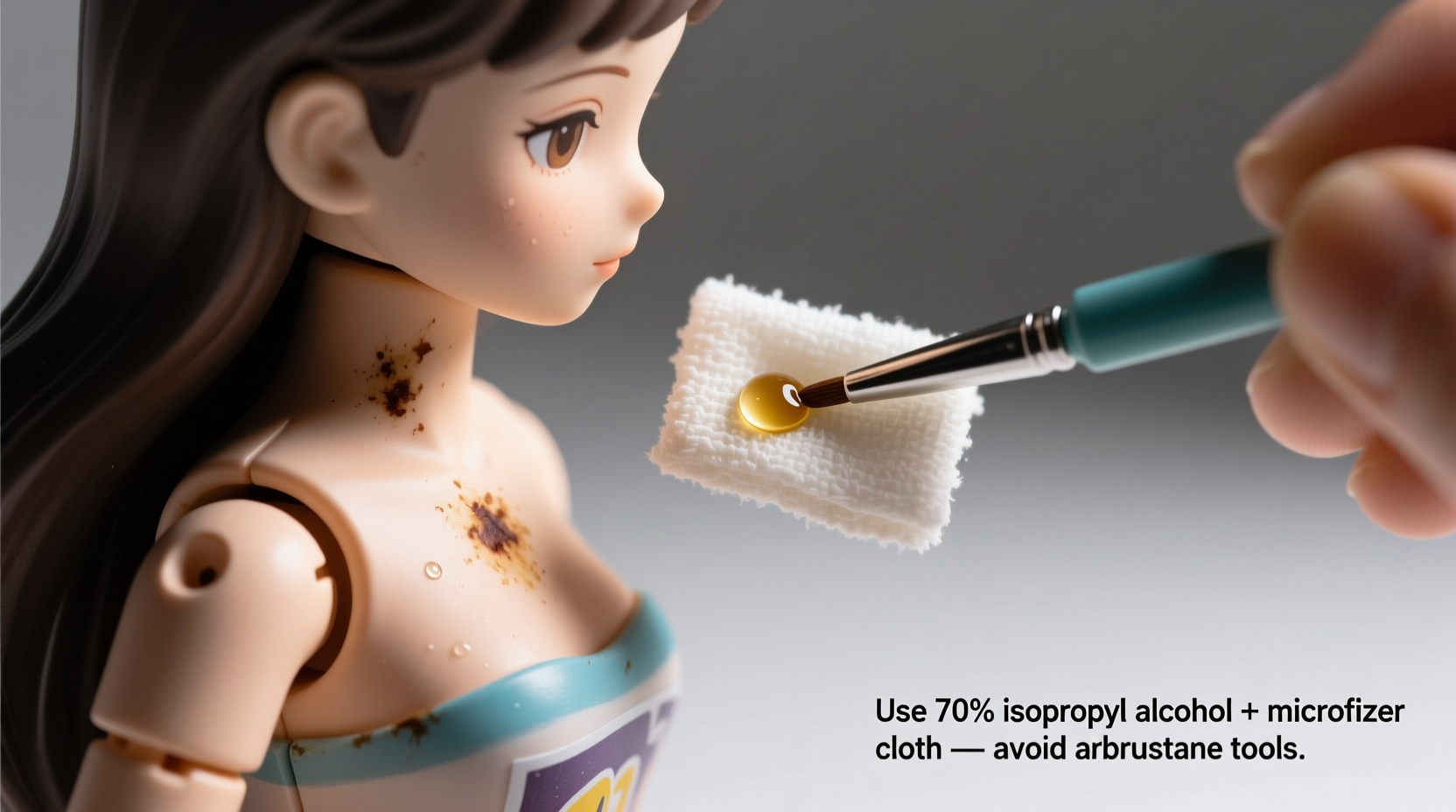
The first step in safely removing sticker residue is understanding what you’re working with. Most modern collectible figures use acrylic-based paints applied over plastic, resin, or PVC substrates. These paints are durable but not impervious. Harsh solvents like acetone or industrial degreasers can dissolve both the adhesive and the paint layer beneath. Even mild abrasives such as paper towels or cotton swabs used with pressure can create micro-scratches visible under direct light.
Adhesives vary widely in composition. Pressure-sensitive adhesives (PSAs), commonly used on stickers, are designed to stick firmly but remain removable. Over time, especially when exposed to heat or sunlight, these adhesives can oxidize and harden, making them more difficult—and riskier—to remove. The goal isn’t just to lift the residue, but to do so without altering the surface texture or color integrity of the figure.
“With collectibles, conservation always comes before cleaning. A little residue is preferable to a clouded or scratched finish.” — Daniel Reyes, Restoration Specialist at Heritage Collectibles Lab
Step-by-Step Guide: Safe Residue Removal Process
Follow this structured approach to minimize risk and maximize effectiveness. Each step builds on the previous one, progressing from the gentlest method to slightly stronger options only if needed.
- Assess the area: Examine the sticker residue under bright, angled light. Note whether it's glossy, sticky, dried, or flaking. Identify nearby details like decals, translucent parts, or metallic finishes that require extra caution.
- Clean surrounding areas: Use a soft makeup brush or compressed air to remove dust. Any particles left on the surface could scratch the paint during wiping.
- Start with warm water and mild soap: Mix a few drops of dish soap (like Dawn) with lukewarm water. Dip a microfiber cloth into the solution, wring it thoroughly, and gently dab the residue. Do not scrub. Let the moisture sit for 30–60 seconds to soften the adhesive.
- Wipe with minimal pressure: Using the edge of the cloth, lightly drag across the residue in one direction. Change cloth sections frequently to avoid redepositing grime.
- Evaluate results: If residue remains, proceed to solvent-based methods—but only after testing on an inconspicuous area like the bottom of the base or inside a joint.
Recommended Solvents and Application Techniques
When water fails, carefully selected solvents can break down adhesive polymers without harming paint. The key is dilution, controlled application, and immediate rinsing.
| Solvent | Safety Level | Application Method | Risks |
|---|---|---|---|
| Isopropyl Alcohol (70%) | Low-Moderate | Dampen cotton swab, apply in small circles, wipe after 10 sec | May dull matte finishes; avoid on soft plastics |
| Goo Gone Original (Citrus-Based) | Moderate | Apply a pea-sized drop, wait 60 sec, lift with plastic spudger | Oily residue; must be cleaned off completely |
| WD-40 Specialist Silicone Lubricant | Moderate | Spray on cloth, not directly; wipe gently | Can leave shine; test first on painted edges |
| Mineral Spirits (Odorless) | High Caution | Rarely recommended; only for non-painted resin bases | Potential paint lifting even when diluted |
For best results, never apply solvents directly to the figure. Instead, use a Q-tip or folded microfiber cloth to deliver a tiny amount precisely. Work in short bursts—apply, wait, assess, then wipe with a clean, dry section of cloth. After using any solvent, follow up with a water-dampened cloth to neutralize residues, then dry immediately.
Tools and Materials Checklist
- Lint-free microfiber cloths (preferably eyeglass cleaning grade)
- Cotton swabs (Q-tips) – use rounded ends only
- Plastic spudger or guitar pick (for lifting softened residue)
- Soft-bristled makeup or detailing brush
- Isopropyl alcohol (70%)
- Goo Gone or similar citrus-based adhesive remover
- Dish soap (phosphate-free)
- Distilled water (to prevent mineral spotting)
- Magnifying glass or head-mounted loupe
- Nitrile gloves (to protect hands and reduce oil transfer)
Real Example: Restoring a Limited-Edition NECA Predator Figure
A collector in Portland acquired a sealed 1987 Predator figure from a secondary market auction. After removal from packaging, he found heavy adhesive residue along the lower torso where a price tag had been affixed years earlier. The matte black paint was beginning to yellow at the edges due to chemical interaction.
He began with warm soapy water and a microfiber cloth, which reduced stickiness but left a hazy film. He then tested 70% isopropyl alcohol on the base of the figure’s foot—no reaction after 30 seconds. Using a fresh Q-tip, he applied a small amount to the residue, waited 15 seconds, and gently wiped. After three passes, most residue lifted. The remaining bits were addressed with a plastic spudger held at a 10-degree angle, lightly scraping upward. Final cleanup involved a distilled water wipe and air drying.
The result? A fully restored surface with no visible scratches or sheen changes. The figure’s value remained intact, and the collector documented the process for his online community.
Do’s and Don’ts of Residue Removal
| Do’s | Don’ts |
|---|---|
| Test solvents on hidden areas first | Use acetone, nail polish remover, or bleach |
| Work under bright, natural-like lighting | Scrub in circular motions with abrasive cloths |
| Use plastic tools instead of metal | Soak the figure or submerge painted sections |
| Proceed slowly—take breaks between attempts | Apply heat with a hairdryer or steam |
| Keep a log of products and reactions | Ignore manufacturer care instructions (if available) |
Heat, in particular, should be avoided. While it softens adhesive, it also expands plastic and can cause paint to bubble or delaminate. Similarly, metal tools—even stainless steel tweezers—can leave fine swirl marks invisible to the naked eye but apparent in photographs or display lighting.
Frequently Asked Questions
Can I use olive oil or coconut oil to remove sticker residue?
While natural oils can loosen adhesive, they pose significant risks. Oils can penetrate porous paint layers, attract dust, and turn rancid over time, leading to discoloration. If used, they must be completely removed with a degreasing agent afterward—which increases handling risk. Not recommended for valuable figures.
What if the paint starts to come off during cleaning?
Stop immediately. Once paint lifts, it cannot be reversed without professional repainting. Assess how much damage occurred. For minor spots, consider leaving the residue rather than worsening the issue. For larger areas, consult a prop restoration specialist. In some cases, touch-up paint matched to the original formula may be applied conservatively.
Are there commercial products specifically for collectibles?
Yes, though options are limited. Products like Display Doctor Surface Rescue and Figurine Shield Clean & Protect are formulated for painted collectibles and undergo rigorous finish testing. They tend to be more expensive but offer greater safety margins. Always verify compatibility with your figure’s material before purchase.
Final Recommendations for Long-Term Care
Prevention is the best form of protection. When storing or displaying figures, keep them in UV-filtered cases away from direct sunlight and humidity fluctuations. Handle only with clean, dry hands or gloves. If stickers must be applied temporarily, use low-tack masking tape or museum putty instead of pressure-sensitive labels.
For ongoing maintenance, schedule gentle surface inspections every few months. Early detection of residue buildup allows for easier, less invasive removal. Document your cleaning efforts with notes or photos—this not only tracks progress but adds provenance value if you ever sell or appraise the piece.
“The difference between a well-maintained collectible and a damaged one often comes down to one decision: choosing patience over speed.” — Lena Park, Curator at the National Toy Archive
Take Action with Confidence
Removing sticker residue doesn’t have to mean risking your prized collectible’s finish. With the right knowledge, tools, and mindset, you can restore cleanliness without compromising condition. Start with the gentlest method, work incrementally, and never rush the process. Your figure’s longevity—and value—depends on thoughtful care. Try one technique today, share your results with fellow collectors, and help preserve the artistry of the hobby for years to come.




 浙公网安备
33010002000092号
浙公网安备
33010002000092号 浙B2-20120091-4
Comments
No comments yet. Why don't you start the discussion?