
Stickers may be useful for labeling, decoration, or identification, but their removal often leaves behind a stubborn layer of adhesive residue. When that sticky film is on glass—whether it’s a window, mirror, drinking glass, or car windshield—it becomes especially noticeable due to the transparency of the surface. Many people resort to scraping or abrasive tools, only to discover fine scratches that mar the finish. The good news is you don’t need harsh chemicals or professional products to clean it off. With everyday household items and the right technique, you can remove sticker residue from glass safely and effectively—without damaging the surface.
Why Sticker Residue Is Tricky on Glass
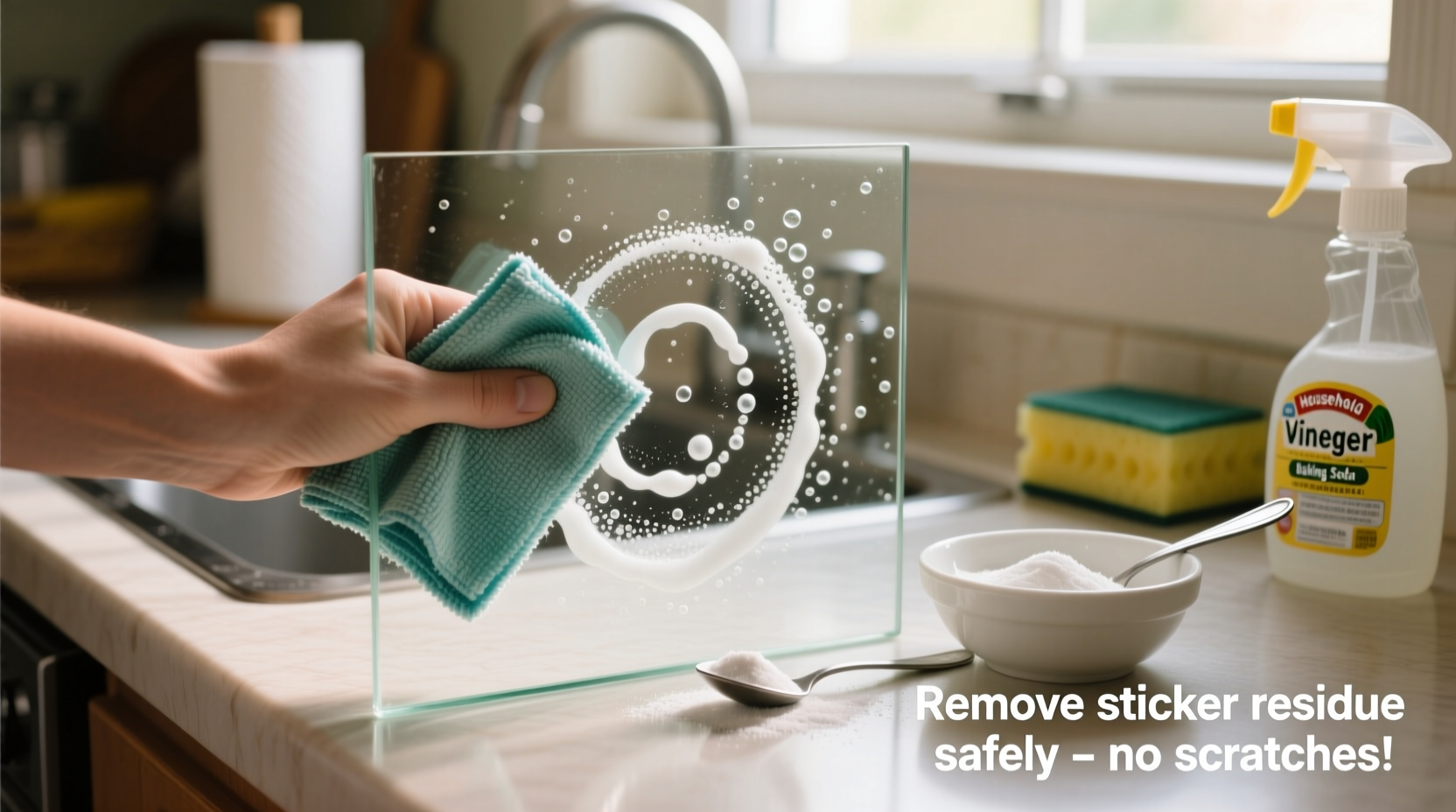
Adhesives used in stickers are designed to cling tightly to surfaces. Over time, exposure to sunlight, temperature changes, and moisture can cause the glue to break down unevenly, leaving behind a cloudy, tacky film. On porous materials like wood or paper, this might not be as visible, but on smooth, reflective glass, even a faint residue stands out. Worse, aggressive scrubbing with metal scrapers or rough pads can create micro-scratches that compromise clarity and weaken the surface over time.
The key to successful removal lies in softening the adhesive so it lifts away cleanly, rather than being forced off. This approach preserves the integrity of the glass while restoring its original shine.
“Glass is more vulnerable to micro-abrasions than most people realize. Using non-abrasive methods with solvents like vinegar or cooking oil is not only safer—it's often more effective.” — Dr. Linda Chen, Materials Scientist at Green Surface Labs
Safe Household Solutions That Work
You likely already have everything you need under your kitchen sink or in your pantry. Below are five proven household remedies that dissolve or loosen adhesive residue gently and efficiently.
1. White Vinegar and Warm Water
Vinegar is a mild acid that breaks down organic adhesives without harming glass. Its acetic acid content helps dissolve the glue’s molecular bonds, making it easier to wipe away.
2. Cooking Oil (Olive, Canola, or Coconut)
Oils penetrate adhesive layers and soften them by breaking down the polymers in the glue. They're particularly effective on older, dried residues.
3. Rubbing Alcohol (Isopropyl Alcohol)
A stronger solvent than vinegar, rubbing alcohol dissolves many synthetic adhesives quickly. It evaporates cleanly, leaving no oily residue—ideal for mirrors and windows.
4. Baking Soda Paste (for light scrubbing when needed)
When minimal friction is acceptable, a paste made from baking soda and water provides gentle abrasion. Unlike steel wool or sandpaper, it won’t scratch if used correctly.
5. Heat from a Hair Dryer
Heat softens adhesive, reducing its grip on the glass. A hair dryer applied carefully can make residue peel away with little effort.
Step-by-Step Guide to Residue Removal
Follow this detailed process to ensure complete, safe cleaning. The method works across all types of glass, including tempered, laminated, and mirrored surfaces.
- Prepare the Area: Wipe the glass with a dry microfiber cloth to remove dust and loose debris. This prevents particles from scratching during cleaning.
- Choose Your Solution: Select one of the household agents listed above based on availability and residue age. For fresh stickers, vinegar or heat often suffices. For old, hardened glue, try oil followed by alcohol.
- Apply the Solvent: Soak a clean cloth or paper towel in your chosen solution. Press it directly onto the residue-covered area. Let it sit for 5–15 minutes to allow penetration.
- Use Heat (Optional): If the residue remains firm, use a hair dryer on medium heat. Hold it 4–6 inches from the surface and warm the area for 30–60 seconds before reapplying the solvent.
- Gently Wipe or Peel: After soaking, gently rub the area with a soft cloth in circular motions. Do not press hard. For larger stickers, lift an edge with a plastic card (like an old gift card) and slowly peel.
- Rinse and Repeat if Necessary: If traces remain, repeat the application. Never rush or increase pressure.
- Final Clean: Once residue is gone, wash the glass with soapy water or glass cleaner to remove any leftover oils or vinegar smell. Dry with a lint-free cloth.
Do’s and Don’ts of Glass Cleaning
| Do’s | Don’ts |
|---|---|
| Use soft cloths (microfiber, cotton rags) | Use steel wool, razor blades, or scouring pads |
| Let solutions soak before wiping | Scrub aggressively without pre-treatment |
| Test on a small hidden area first | Assume all cleaners are safe for tinted or coated glass |
| Use plastic cards to lift edges | Use metal tools near the surface |
| Clean in a well-ventilated space when using alcohol | Mix chemicals (e.g., vinegar + bleach) |
Real Example: Removing Price Tags from a New Mirror
Sarah recently bought a vintage-style bathroom mirror online. Upon unpacking, she found several price tags and barcode labels stuck to the front surface. Some were partially peeled, but the sticky residue remained. She didn’t want to risk damaging the antique finish with harsh tools.
She started by dampening a paper towel with white vinegar and placing it over one label for 10 minutes. Afterward, she used an old credit card to gently lift the corner. The entire sticker lifted cleanly. For a tougher spot near the frame, she warmed it with a hair dryer for 45 seconds, then reapplied vinegar. Within 20 minutes, every trace was gone. The mirror looked brand new—no streaks, no scratches.
Her success came from patience and using only what she had at home: vinegar, a cloth, and a plastic card.
Comparison of Household Methods
Not all solutions work equally well in every situation. Here’s a breakdown of each method’s effectiveness, safety, and ideal use case.
| Method | Effectiveness | Safety on Glass | Best For |
|---|---|---|---|
| White Vinegar | High (especially with soaking) | Excellent | Fresh or moderately aged residue |
| Cooking Oil | Very High | Excellent | Old, hardened adhesive |
| Rubbing Alcohol | High | Excellent (but test on tinted glass) | Quick cleanup; post-oil residue removal |
| Baking Soda Paste | Moderate | Good (only if rubbed gently) | Stubborn spots needing slight abrasion |
| Hair Dryer Heat | Variable (best combined with other methods) | Excellent | Peeling stickers or softening before treatment |
Checklist: How to Remove Sticker Residue Safely
- ✅ Identify the type of glass (plain, tinted, coated)
- ✅ Gather supplies: vinegar, oil, alcohol, soft cloths, plastic scraper
- ✅ Test your chosen method on a small, inconspicuous area
- ✅ Apply solution and let it soak for 5–15 minutes
- ✅ Use heat if needed to soften stubborn glue
- ✅ Gently wipe or lift residue with a plastic edge
- ✅ Clean the surface afterward with glass cleaner or soapy water
- ✅ Inspect under natural light to confirm full removal
FAQ: Common Questions About Residue Removal
Can I use WD-40 on glass to remove sticker residue?
While WD-40 can dissolve adhesive, it’s not recommended for indoor glass surfaces. It leaves an oily film that’s difficult to remove completely and may degrade rubber seals or frames over time. If used outdoors (e.g., on a car window), follow up immediately with rubbing alcohol to eliminate residue.
Will vinegar damage window tint?
Distilled white vinegar is generally safe on professionally installed window tints when used sparingly and wiped off thoroughly. However, avoid using vinegar on very old or low-quality tint films, as acidity could accelerate peeling. Always test in a corner first.
How do I remove residue from textured or frosted glass?
Frosted or etched glass requires extra care because trapped residue can settle into grooves. Use oil or vinegar with a soft-bristled toothbrush (not metal) to lightly agitate the surface. Rinse thoroughly and dry with a microfiber cloth to prevent water spots.
Conclusion: Keep Glass Pristine with Simple, Smart Care
Removing sticker residue from glass doesn’t require specialty products or risky techniques. By understanding how adhesives bond and using household items wisely, you can restore glass to its flawless state—safely and affordably. The real secret isn’t strength, but patience: letting solvents do the work, avoiding pressure, and choosing non-abrasive tools preserve both clarity and longevity.
Whether you’re dealing with a jar, a storefront window, or a newly unboxed appliance, these methods offer reliable results. Try them the next time a stubborn sticker overstays its welcome. Your glass—and your peace of mind—will thank you.




 浙公网安备
33010002000092号
浙公网安备
33010002000092号 浙B2-20120091-4
Comments
No comments yet. Why don't you start the discussion?