
Glass surfaces—whether on windows, mirrors, drinking glasses, or appliances—are prized for their clarity and elegance. But when adhesive labels or stickers are removed improperly, they often leave behind a stubborn residue that dulls the surface or requires aggressive scrubbing. Worse, some removal techniques can scratch or damage the glass. The good news is that with the right tools and techniques, you can remove stickers cleanly and safely, preserving both the appearance and integrity of the glass.
This guide covers proven, non-abrasive methods that avoid scratches and eliminate sticky residue. Whether dealing with price tags on a new toaster, promotional decals on a storefront window, or decades-old labels on vintage glassware, these strategies will help you achieve a spotless finish without risking damage.
Understanding the Challenge: Why Stickers Stick Around
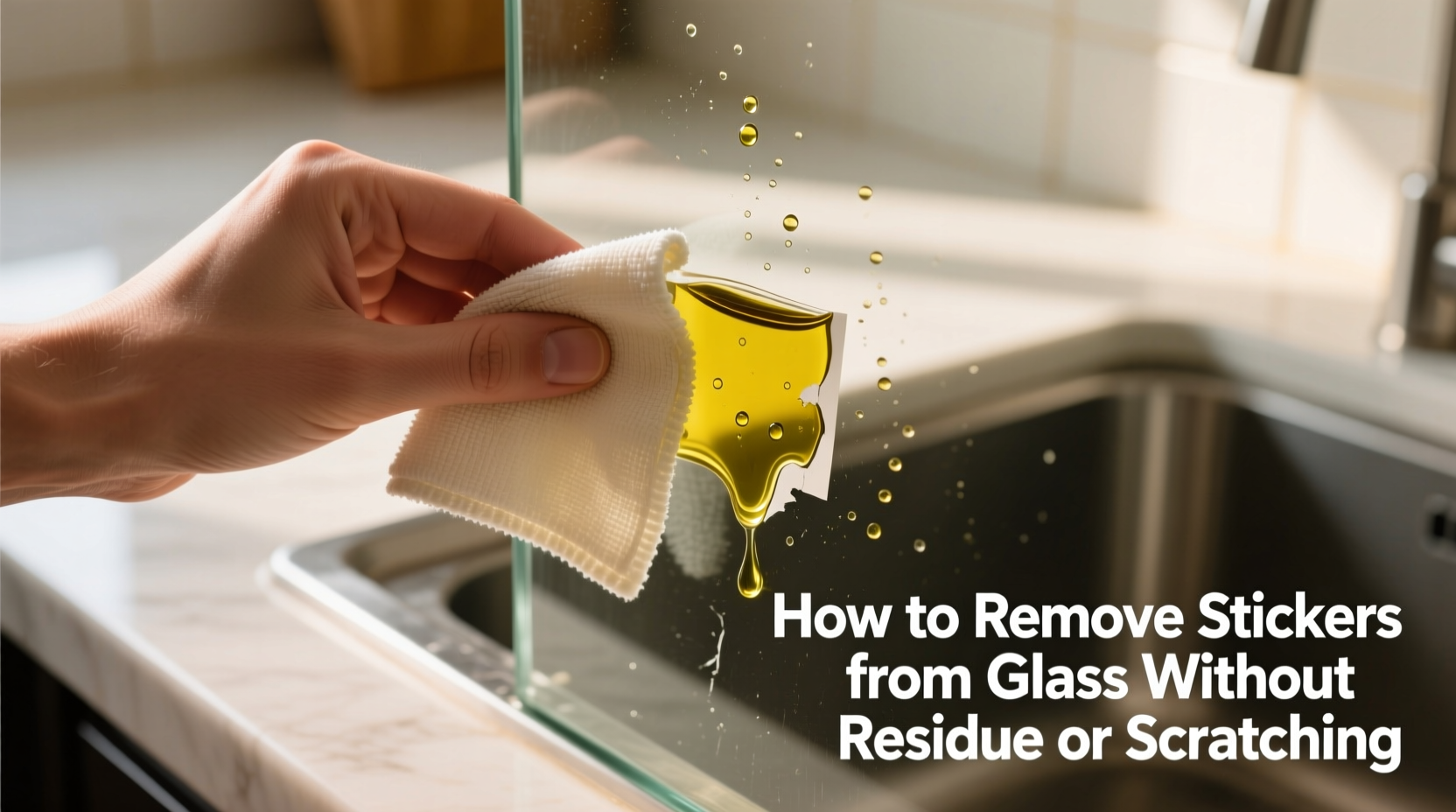
Stickers adhere through pressure-sensitive adhesives designed to bond quickly and last. Over time, especially when exposed to heat or sunlight, these adhesives can harden or chemically degrade, making them more difficult to remove. On porous materials like paper or fabric, residue might be less noticeable, but on glass, any leftover film stands out as cloudy smears or tacky patches.
The key to successful removal lies in softening the adhesive without compromising the glass. Abrasive scrubbing or sharp tools may seem effective, but they risk micro-scratches that scatter light and create permanent imperfections. Instead, focus on gentle dissolution and controlled lifting.
“Glass is harder than many materials, but it’s not scratch-proof. Even fine abrasives in common cleaning pads can leave visible marks under direct light.” — Dr. Lena Peterson, Materials Scientist at ClearView Labs
Step-by-Step Guide: Safe Sticker Removal Process
Follow this comprehensive sequence to remove stickers from glass effectively and safely. This method prioritizes preservation of the surface while ensuring complete adhesive removal.
- Assess the sticker and environment: Determine if the glass is tempered, coated, or part of an appliance. Avoid steam or solvents near electrical components or insulated windows.
- Peel what you can: Use your fingernail or a plastic card (like an old gift card) to gently lift a corner. Work slowly around the edges. If the sticker comes off easily, skip to cleaning residue.
- Apply heat (optional): For stubborn stickers, use a hairdryer on medium heat, held 3–5 inches from the surface. Warm the sticker for 30–60 seconds to soften the adhesive. Do not overheat.
- Choose a solvent: Apply one of the recommended solutions below based on availability and sensitivity of the glass.
- Let it dwell: Allow the solution to sit for 2–10 minutes depending on thickness of residue.
- Wipe gently: Use a microfiber cloth or soft sponge in circular motions. Reapply solution if needed.
- Final clean: Wash the area with mild dish soap and water, then dry with a lint-free cloth.
Best Solvents for Residue Removal
Different adhesives respond better to certain solvents. Below are the most effective and widely available options, ranked by safety and efficiency.
| Solvent | Effectiveness | Risk Level | Notes |
|---|---|---|---|
| Isopropyl Alcohol (70%+) | High | Low | Evaporates cleanly; safe for most glass. Ideal for electronics screens. |
| Vinegar + Baking Soda Paste | Moderate | Very Low | Natural option; best for light residue. May require longer dwell time. |
| Rubbing Alcohol or Nail Polish Remover (acetone-free) | High | Low-Moderate | Acetone-based removers should be avoided—they can damage some coatings. |
| Citrus-Based Degreasers (e.g., Goo Gone Original) | Very High | Moderate | Extremely effective but may leave oily traces. Requires thorough rinsing. |
| Olive Oil or Coconut Oil | Moderate | Low | Safe and accessible. Soak for 10–15 minutes, then wipe. Greasy afterward—clean well. |
| Commercial Adhesive Removers | Very High | Moderate-High | Follow label instructions carefully. Test first on tinted or treated glass. |
For most household applications, isopropyl alcohol offers the best balance of performance and safety. It breaks down adhesives without leaving residue and evaporates completely.
Tools You Should and Shouldn't Use
The tool you choose can make the difference between a flawless result and permanent damage. Here’s a clear breakdown of what works—and what to avoid.
| Tool | Use? | Reason |
|---|---|---|
| Plastic Scraper or Gift Card | Yes | Soft enough not to scratch, firm enough to lift edges. |
| Microfiber Cloth | Yes | Lint-free and non-abrasive; ideal for wiping solvents. |
| Razor Blade (Single-Edge, Wet Surface) | Yes (with caution) | Only on thick, flat glass like shower doors. Must keep wet to prevent scratching. |
| Steel Wool (0000 or otherwise) | No | Even fine steel wool can leave microscopic scratches visible in sunlight. |
| Scrub Sponge (Green Side) | No | Abrasive layer can cloud glass permanently. |
| Fingernail | Yes (gently) | Good for starting peel; avoid excessive pressure. |
Mini Case Study: Removing Decals from a Vintage Glass Cabinet
A collector in Portland acquired a 1950s glass-front cabinet at an estate sale. The doors were covered with faded product labels from a former retail use. She wanted to restore the piece without damaging the original glass, which had subtle wave patterns typical of mid-century manufacturing.
She began by testing isopropyl alcohol on the bottom edge of one door. After confirming no adverse effects, she applied the alcohol with a cotton pad and allowed it to sit for five minutes. Using a plastic scraper, she gently lifted each label. For residual stickiness, she repeated the process and finished with a vinegar-water rinse.
The entire process took 45 minutes for both doors. The glass emerged completely clear, with no haze or scratches. “I was amazed,” she later shared. “I expected to spend hours scrubbing, but patience and the right method made all the difference.”
Checklist: How to Remove Stickers from Glass Safely
- ✅ Identify the type of glass and check for coatings or tempering
- ✅ Try peeling a corner with a plastic card or fingernail
- ✅ Apply heat with a hairdryer if the sticker resists lifting
- ✅ Choose a safe solvent (isopropyl alcohol recommended)
- ✅ Test the solvent on a hidden area first
- ✅ Apply solvent and let it soak for several minutes
- ✅ Wipe gently with a microfiber cloth or soft sponge
- ✅ Use a plastic scraper for stubborn bits (never metal)
- ✅ Clean the surface with soapy water to remove any traces
- ✅ Dry thoroughly with a lint-free towel
FAQ: Common Questions About Sticker Removal on Glass
Can I use a razor blade to scrape off sticker residue?
Yes, but only under specific conditions. Use a single-edge razor blade at a 45-degree angle on flat, uncoated glass (like shower doors or picture frames). Keep the surface wet with soapy water or solvent during scraping to act as a lubricant and reduce friction. Never use on curved, thin, or coated glass.
Why does the glass look cloudy after removing a sticker?
Cloudiness usually results from either micro-scratches caused by abrasive tools or leftover oily residue from certain solvents. If caused by scratches, the damage is permanent. If due to residue, wash the surface with dish soap and warm water, then wipe with rubbing alcohol to dissolve any remaining oils.
Will vinegar damage glass?
No, vinegar is safe for most glass surfaces. Its acidity helps break down adhesive bonds. However, avoid using vinegar on glass with metallic edging or frames that could corrode. Also, do not use on antique leaded glass where prolonged acid exposure might affect solder joints.
Expert Insight: The Science Behind Adhesive Failure
Adhesives lose their grip when their molecular structure is disrupted. Heat increases molecular motion, weakening the bond. Solvents penetrate the adhesive layer, dissolving polymers and reducing cohesion. According to Dr. Alan Zhou, a polymer chemist at SurfaceTech Research:
“The key is selective disruption. You want to target the adhesive without affecting the substrate. Isopropyl alcohol works because it swells the adhesive matrix, allowing mechanical removal with minimal force—perfect for delicate surfaces like glass.” — Dr. Alan Zhou, Polymer Chemist
This principle underscores why gentle solvents combined with low-pressure tools yield the best results.
Conclusion: A Clear Result Starts with the Right Approach
Removing stickers from glass doesn’t require harsh chemicals or risky scraping. With a few household items and a methodical approach, you can achieve a pristine, streak-free surface every time. The secret lies in preparation, patience, and choosing non-abrasive tools and solvents. Whether you're restoring vintage glassware or cleaning up after unboxing a new appliance, these techniques ensure your glass stays smooth, clear, and undamaged.




 浙公网安备
33010002000092号
浙公网安备
33010002000092号 浙B2-20120091-4
Comments
No comments yet. Why don't you start the discussion?