
Removing a sticker from a glass surface often leaves behind a stubborn layer of adhesive—a cloudy, sticky film that resists regular cleaning. Whether it's from a price tag on a new mirror, a promotional decal on a storefront window, or an old label on a glass jar, this residue can be both unsightly and difficult to eliminate. The good news is that with the right tools and techniques, you can restore glass to its original clarity without causing scratches or chemical damage. This guide provides tested, practical solutions using common household items and professional-grade methods, ensuring safety and effectiveness.
Understanding the Challenge of Adhesive Residue
Glass surfaces are non-porous, which makes them ideal for cleaning—but also means that adhesive bonds can become exceptionally strong over time. Most stickers use pressure-sensitive adhesives designed to cling tightly while remaining removable under specific conditions. However, exposure to heat, sunlight, or aging can cause these adhesives to harden or chemically bond more firmly to the glass. Simply peeling off the sticker often leaves behind a thin film of glue that traps dust and moisture, creating a hazy appearance.
The key to successful removal lies in breaking down the adhesive’s molecular structure without compromising the integrity of the glass. Abrasives like steel wool or harsh scrapers may seem effective but can scratch or etch the surface. Instead, gentle solvents and mechanical aids offer safer, longer-lasting results.
“Adhesive residues on glass are best treated with solvent-based softening rather than forceful scraping. The goal is dissolution, not abrasion.” — Dr. Linda Park, Materials Scientist at ClearView Research Lab
Safe and Effective Removal Methods
Different types of adhesive require different approaches. Below are five reliable methods, ranked by ease of access and effectiveness. Always test any solution on a small, inconspicuous area first, especially if the glass has coatings, tints, or delicate finishes.
1. Warm Soapy Water and Rubbing Alcohol
A simple yet powerful combination, warm soapy water loosens the adhesive, while rubbing alcohol dissolves the oily components of the glue. This method works well for fresh or lightly bonded residues.
- Soak a clean cloth or paper towel in warm water mixed with dish soap.
- Place the cloth over the sticky area and let it sit for 5–10 minutes to soften the residue.
- Gently rub the area in circular motions with the cloth.
- If residue remains, dampen a new cloth with 70% isopropyl alcohol and wipe the surface.
- Dry thoroughly with a microfiber cloth to prevent streaks.
2. White Vinegar Solution
Vinegar’s acetic acid content helps break down organic adhesives naturally. It's non-toxic, inexpensive, and widely available.
- Mix equal parts white vinegar and warm water in a spray bottle.
- Spray generously onto the residue and cover with a damp cloth for 10–15 minutes.
- Wipe with a sponge or soft cloth. Repeat if necessary.
- Finish with a glass cleaner to remove any lingering film or odor.
3. Cooking Oil or Olive Oil
Fats in oils penetrate adhesive layers, softening them over time. While unconventional, this method is highly effective for thick, dried-on glue.
- Apply a few drops of cooking oil directly to the residue.
- Let it sit for 5–10 minutes (longer for older stickers).
- Wipe gently with a lint-free cloth.
- Wash the area with dish soap and water to remove oily residue.
4. Commercial Adhesive Removers
Products like Goo Gone, 3M Adhesive Remover, or WD-40 are formulated specifically for tough adhesives. They contain solvents such as citrus extracts or mineral spirits that dissolve glue quickly.
| Product | Best For | Caution |
|---|---|---|
| Goo Gone Original | Indoor glass, jars, mirrors | Avoid prolonged contact; ventilate area |
| WD-40 | Outdoor or industrial glass | Can leave oily film; requires thorough cleanup |
| Citrus-Based Removers | Eco-friendly option | May require multiple applications |
To use: Apply a small amount to a cloth (not directly on glass), rub onto residue, wait 1–2 minutes, then wipe clean. Follow with a standard glass cleaner to ensure no chemical film remains.
5. Heat Application with a Hair Dryer
Heat softens most adhesives, making them easier to wipe away. This method is ideal when combined with others.
- Set a hair dryer to medium heat.
- Hold it 2–3 inches from the residue for 30–60 seconds.
- Use a plastic scraper or cloth to lift the softened glue.
- Immediately clean the area with vinegar or alcohol to remove any leftover stickiness.
Step-by-Step Guide: Complete Residue Removal Process
For optimal results, follow this integrated approach combining multiple methods in sequence:
- Peel off the sticker: Start by removing as much of the visible sticker as possible using your fingers or tweezers. Pull slowly at a 45-degree angle to minimize tearing.
- Apply heat (optional): If the sticker resists removal, use a hair dryer for 30 seconds to loosen the bond before peeling.
- Soak with solvent: Choose one of the following based on availability: warm soapy water, vinegar solution, or a drop of oil. Cover the area and let it sit for 10 minutes.
- Scrub gently: Use a soft sponge, microfiber cloth, or plastic-edged tool to rub the residue in small circles. Avoid abrasive pads.
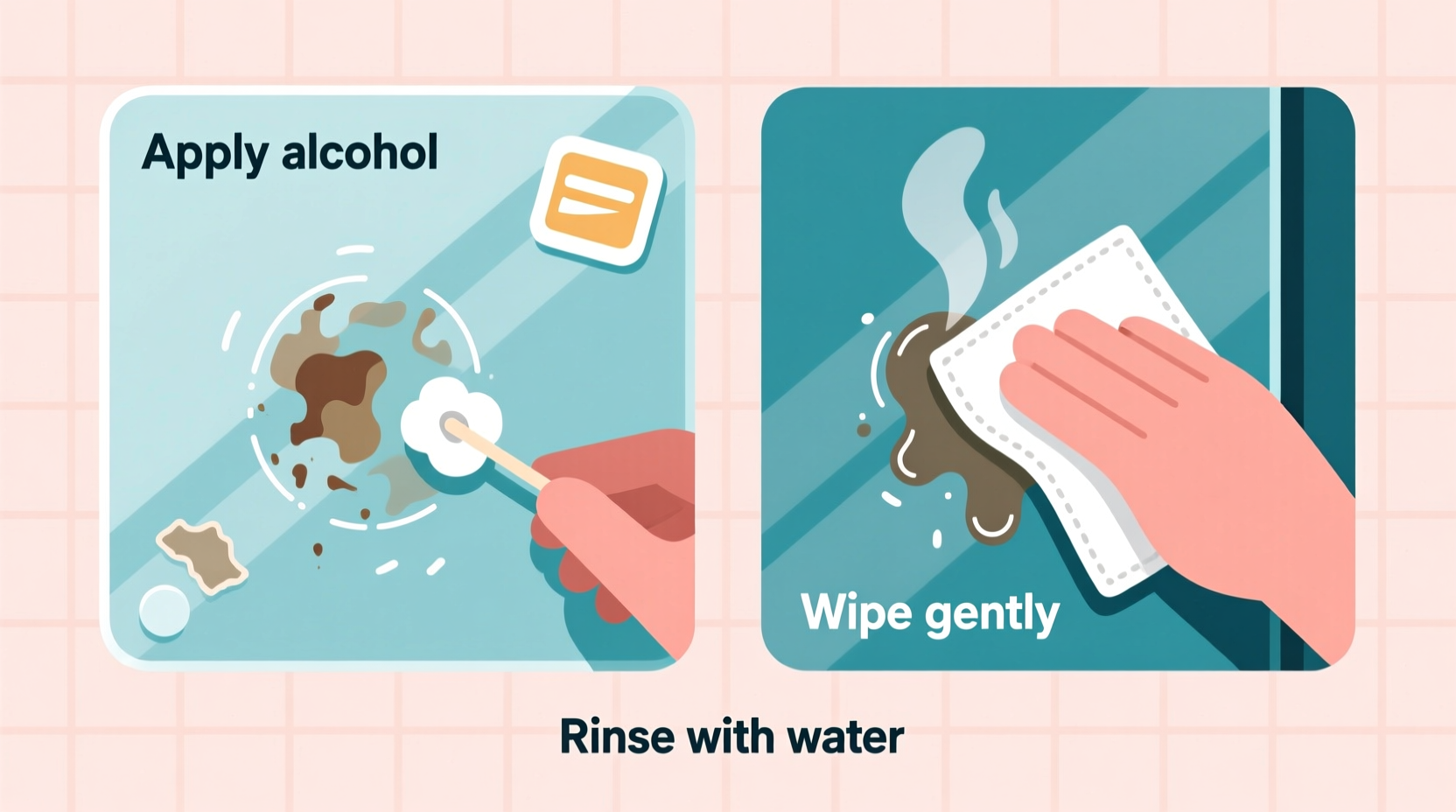
- Tackle remaining spots: For persistent areas, apply rubbing alcohol or commercial remover with a cotton swab.
- Rinse and dry: Wipe the entire surface with clean water, then dry with a lint-free cloth to avoid streaks.
- Final polish: Spray with ammonia-free glass cleaner and buff to a shine.
Common Mistakes to Avoid
Even with the right intentions, improper techniques can damage glass or make the problem worse. Here’s what not to do:
| Mistake | Why It’s Harmful | Better Alternative |
|---|---|---|
| Using razor blades or metal scrapers | Scratches glass permanently | Plastic scraper or credit card edge |
| Applying undiluted acetone | Can cloud or etch certain glass types | Dilute with water or avoid entirely |
| Ignoring ventilation with chemicals | Health risk from fumes | Work in well-ventilated space |
| Leaving oil or solvent residue | Attracts dust and looks greasy | Always rinse and polish after treatment |
Real-World Example: Removing Price Tags from Retail Display Glass
A boutique store in Portland faced recurring issues with adhesive residue left by pricing labels on their glass display cases. Staff initially used nail polish remover, which dulled the surface over time. After consulting a commercial cleaning specialist, they adopted a standardized protocol: pre-peel labels upon receipt, apply a vinegar-soap soak for five minutes, then gently wipe with microfiber cloths. For stubborn cases, they used diluted isopropyl alcohol on cotton rounds. Within two months, display clarity improved significantly, and customer complaints about “dirty glass” dropped by 90%. The new method also reduced cleaning time by half, proving that proper technique enhances both aesthetics and efficiency.
Checklist: How to Remove Sticky Residue Safely
Use this checklist to ensure a thorough and damage-free cleaning process:
- ✅ Identify the type of glass (tempered, coated, antique)
- ✅ Test any solvent on a hidden area first
- ✅ Remove as much sticker material as possible by hand
- ✅ Apply heat or soaking agent to soften adhesive
- ✅ Use only non-abrasive tools for wiping or scraping
- ✅ Clean residue with appropriate solvent (vinegar, alcohol, oil, or commercial product)
- ✅ Rinse thoroughly with water
- ✅ Dry and polish with a microfiber cloth
- ✅ Inspect under natural light for missed spots
Frequently Asked Questions
Can I use vinegar on tinted or coated glass?
Yes, in moderation. White vinegar is generally safe for most coated glasses when diluted (1:1 with water) and rinsed promptly. However, avoid repeated use on anti-reflective or low-E coatings, as acidity may degrade them over time. Always check manufacturer guidelines.
Is rubbing alcohol safe for all glass surfaces?
Isopropyl alcohol (70%) is safe for most clear glass and won’t cause clouding. However, it should not be used on plastic films, decals, or painted borders near the glass, as it may cause lifting or discoloration. Use targeted application via cotton swabs to avoid overspray.
What if the residue turns black or gummy when I try to remove it?
This typically happens with rubber-based adhesives exposed to heat or oxidation. Stop scrubbing immediately, as friction can embed the gunk deeper. Instead, reapply oil or commercial remover and let it dwell for 15 minutes. Then wipe gently. If the issue persists, consult a professional cleaner to avoid irreversible damage.
Expert Tips for Preventing Future Residue Buildup
Prevention is often simpler than removal. When placing stickers on glass, consider these long-term strategies:
- Choose removable or static-cling decals instead of pressure-sensitive stickers.
- Limit sun exposure—UV rays accelerate adhesive bonding and degradation.
- Remove stickers within 48 hours of application for easiest cleanup.
- Label glass containers with masking tape or chalk markers for temporary identification.
“Most adhesive damage occurs not from the sticker itself, but from aggressive removal attempts. Patience and the right chemistry solve nearly every case.” — Marcus Tran, Industrial Cleaning Consultant
Final Thoughts and Action Steps
Sticky residue on glass doesn’t have to be a permanent eyesore. With everyday household items and a methodical approach, you can achieve a flawless finish safely and efficiently. The secret lies in patience—rushing the process increases the risk of scratches or chemical damage. Whether you're restoring a vintage vase, cleaning a car window, or maintaining retail displays, the techniques outlined here provide reliable, science-backed results.
Start small: pick one method based on what you have at home, follow the step-by-step guide, and observe how the adhesive responds. Adjust your approach as needed, and always prioritize gentle tools over force. Over time, you’ll develop confidence in handling even the stickiest situations.




 浙公网安备
33010002000092号
浙公网安备
33010002000092号 浙B2-20120091-4
Comments
No comments yet. Why don't you start the discussion?