
Deodorant stains are one of the most common yet frustrating wardrobe issues—especially on dark-colored shirts, blouses, and sweaters. Over time, white residue, yellowing, and even hard-to-remove buildup can mar otherwise well-maintained garments. While many assume these stains are permanent, the truth is that with the right approach, they can be effectively treated at home using accessible ingredients and proper techniques.
The challenge lies not just in removing the stain but doing so without compromising the integrity or appearance of dark fabrics. Harsh scrubbing or bleach-based solutions can cause fading, pilling, or discoloration. This guide provides a comprehensive, fabric-safe strategy for eliminating deodorant buildup from cotton, polyester, wool blends, and other materials commonly used in dark apparel.
Understanding Deodorant Stains: Why They Form and Stick
Deodorant and antiperspirant products contain active ingredients designed to reduce sweat and odor, but these same compounds contribute to staining. Aluminum salts—common in antiperspirants—react with sweat to form insoluble residues that bind to fabric fibers. These deposits accumulate over time, especially under repeated application and wear.
On dark clothing, two types of visible damage typically occur:
- White chalky streaks: Caused by undissolved aluminum or talc from solid sticks.
- Yellowish or grayish buildup: Resulting from oxidation of oils, fragrances, and skin proteins trapped in the fabric.
Fabrics like cotton and cotton blends absorb more moisture and product, making them particularly prone to deep-set stains. Synthetic fibers may resist absorption initially but can still trap residue on their surface. The heat from body temperature accelerates chemical reactions, further embedding the stain into the material.
“Deodorant stains aren’t just cosmetic—they can degrade fabric strength over time if left untreated.” — Dr. Lena Torres, Textile Chemist, Institute for Fabric Innovation
Step-by-Step Guide to Removing Stubborn Deodorant Stains
Removing deodorant stains from dark clothing requires patience and precision. Aggressive treatments risk damaging dyes or textures. Follow this methodical process to achieve optimal results without harming your garments.
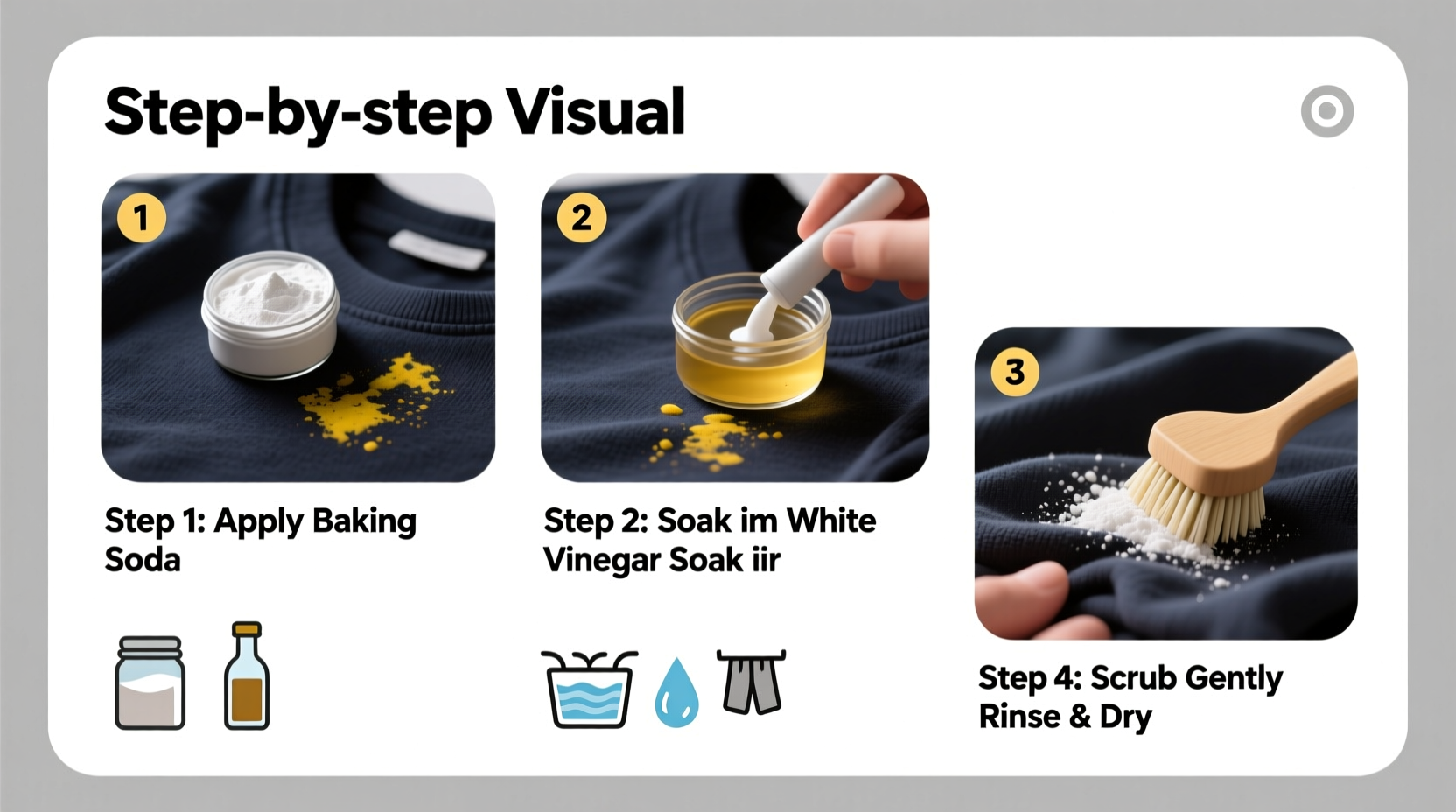
- Pre-Treat Before Washing
Do not toss stained clothes directly into the washer. Begin by gently scraping off any dry, crusty residue using a soft-bristled toothbrush. This prevents spreading the stain during laundering. - Apply a Targeted Cleaning Solution
Choose one of the following safe, effective pre-treatment options based on fabric type:- Vinegar and baking soda paste (for cotton and durable synthetics)
- Dish soap and hydrogen peroxide mix (for mixed blends)
- Enzyme-based stain remover (ideal for protein-rich residues)
- Wash in Warm Water (If Fabric Allows)
Check the garment’s care label. For machine-washable items, use warm water (not hot) to help dissolve oily residues. Use a high-quality detergent formulated for colors. Avoid overloading the machine to ensure proper agitation. - Air-Dry and Inspect
Never place the garment in the dryer until the stain is fully gone. Heat sets stains permanently. Instead, air-dry flat or hang naturally. Once dry, inspect the area. If residue remains, repeat the treatment before attempting another wash cycle. - Final Touch-Up for Lingering Marks
For faint discoloration, lightly dab with rubbing alcohol (70% isopropyl) using a clean cloth. Test on an inside seam first. Blot—don’t rub—to avoid fiber damage.
Best Home Remedies and Their Effectiveness
Many household items double as powerful stain fighters when used correctly. Below is a comparison of popular DIY solutions tailored for dark clothing.
| Remedy | Best For | How to Use | Caution |
|---|---|---|---|
| White vinegar + baking soda | Cotton, linen, durable blends | Mix into paste; apply, wait 45 min, rinse | May dull silk or delicate knits |
| Liquid dish soap (blue Dawn recommended) | Oily buildup, synthetic fabrics | Apply directly, massage gently, soak 30 min | Rinse thoroughly to prevent suds retention |
| Hydrogen peroxide (3%) + dish soap | Yellowed areas, mixed fibers | Mix 2:1 ratio, apply, cover with cloth, wait 1 hour | Not for wool or silk; test colorfastness |
| Rubbing alcohol | Fresh white residue, set-in marks | Dab with cotton ball, blot, rinse after 10 min | Can weaken elastic fibers over time |
| Enzyme laundry booster (e.g., OxiClean MaxForce) | Protein-based stains, recurring buildup | Soak garment for 1–2 hours pre-wash | Avoid on wool or silk unless specified |
Note: Always perform a spot test on an inconspicuous area (like an inner seam) before full application. Dark dyes can react unpredictably to acidic or oxidative agents.
Real Example: Reviving a Favorite Black Blazer
Samantha, a marketing executive, noticed thick white streaks forming under the arms of her favorite black wool-blend blazer. After months of daily wear and dry-cleaning, the stains persisted and began to feel stiff to the touch. Fearing she’d have to retire the garment, she researched gentle alternatives.
She started by brushing off loose residue with a nail brush. Then, she mixed one tablespoon of blue Dawn dish soap with two tablespoons of 3% hydrogen peroxide. Using a microfiber cloth, she dabbed the solution onto both underarm areas, covered them with paper towels to limit evaporation, and let it sit for 40 minutes. She rinsed with cold water and laid the blazer flat to dry.
After one round, 80% of the staining was gone. A second treatment three days later eliminated the remainder. The fabric retained its texture, and the color remained intact. Samantha now pre-treats her work shirts monthly to prevent recurrence.
Do’s and Don’ts When Treating Dark Clothing
To protect your garments while maximizing cleaning power, follow this essential checklist:
| Do’s | Don’ts |
|---|---|
| Test cleaning solutions on hidden seams | Use chlorine bleach on colored fabrics |
| Treat stains promptly after noticing them | Scrub aggressively with rough brushes |
| Use cold or lukewarm water for delicate fabrics | Put stained clothes in the dryer before confirming removal |
| Turn garments inside out before washing | Apply undiluted vinegar or alcohol directly without testing |
| Store cleaned clothes in breathable garment bags | Ignore care labels—even “dry clean only” items may tolerate spot treatment |
“The key isn’t brute force—it’s consistency and using chemistry wisely. Small efforts prevent big problems.” — Marcus Reed, Garment Care Consultant
Prevention Tips to Minimize Future Staining
While removal techniques are valuable, preventing deodorant buildup in the first place saves time, extends clothing life, and maintains professional appearance.
- Let deodorant dry completely before dressing: Allow 2–3 minutes after application so the product forms a protective layer on skin rather than transferring to fabric.
- Switch to clear gel or roll-on formulas: These tend to leave less residue than solid sticks, especially those labeled “stain-free” or “invisible on black.”
- Wear undershirts or liners: Breathable cotton tank tops create a barrier between skin and outerwear, absorbing sweat and product.
- Spot-clean weekly: Even if no visible stain exists, gently wipe underarms with a damp cloth after wearing to remove early-stage buildup.
- Choose aluminum-free deodorants: While they don’t stop sweating, they significantly reduce chemical interaction with fabric.
Checklist: Monthly Maintenance Routine for Dark Workwear
- Inspect underarms of all frequently worn tops and jackets.
- Brush off any powdery residue with a soft toothbrush.
- Apply a small amount of dish soap to affected zones.
- Gently massage and rinse with cold water.
- Air-dry completely before storing or re-wearing.
- Rotate garments to allow natural fiber recovery.
FAQ: Common Questions About Deodorant Stain Removal
Can I use baking soda alone to remove deodorant stains?
Baking soda has mild abrasive and alkaline properties that help lift surface residue, but it works best when combined with an acid like vinegar or a surfactant like dish soap. Using it dry may scratch delicate fabrics. For better results, mix with water into a paste and apply gently.
Why do my black shirts turn gray under the arms even after washing?
This graying effect is often due to a combination of deodorant minerals, sweat oxidation, and microfiber breakdown. Repeated exposure weakens dye bonds and causes pilling. Regular pre-treatment and avoiding high-heat drying can slow this degradation.
Is it safe to use hydrogen peroxide on dark clothes?
Yes, but only at low concentrations (3%) and in limited applications. Hydrogen peroxide is a mild bleaching agent, so always test on an interior seam first. Never use it on silk or wool unless the product specifically states it's safe. Pairing it with dish soap reduces direct contact with fabric.
Conclusion: Take Control of Your Wardrobe’s Longevity
Stubborn deodorant stains don’t have to mean the end of your favorite dark garments. With informed care, simple household remedies, and consistent maintenance, you can restore and preserve your clothing’s appearance and durability. The effort invested in proper treatment pays off in extended wear, reduced replacement costs, and confidence in your everyday look.




 浙公网安备
33010002000092号
浙公网安备
33010002000092号 浙B2-20120091-4
Comments
No comments yet. Why don't you start the discussion?