
Red wine spills on a white couch are among the most dreaded household accidents. The deep pigments in red wine can quickly seep into fabric fibers, leaving behind a persistent, unsightly stain that seems impossible to erase. But with the right approach—and fast action—it’s entirely possible to restore your white sofa to its original condition. Whether your couch is upholstered in microfiber, cotton, linen, or a synthetic blend, this guide delivers proven techniques, expert-backed insights, and step-by-step instructions to tackle even the most stubborn red wine stains without damaging delicate materials.
Why Red Wine Stains Are So Challenging
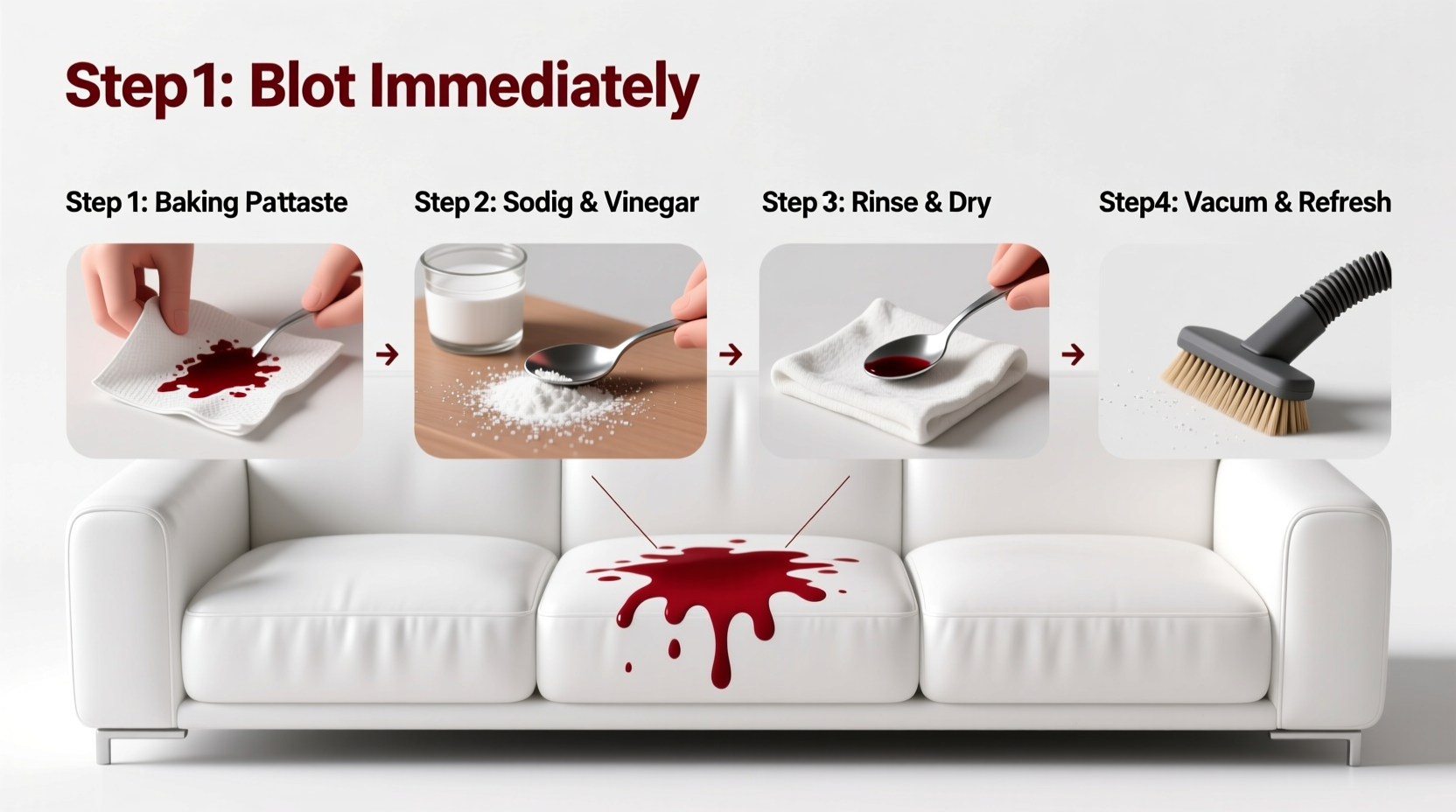
Red wine contains tannins and anthocyanins—natural compounds responsible for its rich color and astringency. These pigments bind aggressively to textile fibers, especially light-colored ones like those found on white couches. When spilled, the liquid spreads rapidly, and if not addressed immediately, it penetrates multiple layers of fabric and padding. Over time, oxidation causes the stain to darken, making removal significantly harder.
Additionally, many commercial cleaning products contain bleach or harsh solvents that may lift the stain but also risk discoloring or weakening the fabric. This makes selecting the correct method critical—not just for effectiveness, but for preserving the integrity and appearance of your furniture.
“Time is your biggest enemy with red wine stains. The longer you wait, the more the pigment sets in. Immediate blotting and proper treatment can mean the difference between full removal and permanent damage.” — Dr. Lena Reyes, Textile Restoration Specialist, Institute of Fabric Care
Immediate Response: What to Do in the First 5 Minutes
The first few minutes after a spill are crucial. Acting quickly prevents deep absorption and minimizes staining. Follow these immediate steps before attempting deeper cleaning:
- Blot, don’t rub: Use a clean, absorbent white cloth or paper towel to gently press down on the spill. Rubbing spreads the wine and pushes it deeper into the fibers.
- Work from the outside in: Blot outward toward the edges to prevent expanding the stained area.
- Remove excess liquid: Continue blotting until no more wine transfers to the cloth.
- Sprinkle with salt (optional): For fresh spills on natural fiber fabrics, lightly cover the area with table salt. It acts as a temporary absorbent while drawing moisture to the surface. Wait 5–10 minutes, then vacuum gently.
- Avoid heat: Do not use warm water or place near heaters. Heat sets stains permanently.
Step-by-Step Guide to Removing Set-In Red Wine Stains
If the spill happened hours—or even days—ago, don’t give up. Many set-in stains can still be reversed with the right combination of ingredients and patience. Below is a detailed, tested protocol suitable for most common upholstery types.
Step 1: Identify Your Couch Fabric
Different fabrics react differently to cleaning agents. Check the manufacturer’s tag (usually located under cushions or on the back) for cleaning codes:
| Cleaning Code | Meaning | Safe for Water-Based Cleaners? |
|---|---|---|
| W | Water-based cleaners okay | Yes |
| S | Solvent-only cleaners | No – avoid water |
| WS | Both water and solvent cleaners | Limited water use |
| X | Vacuum only – no liquids | No – professional cleaning required |
If your couch has an \"X\" code, skip home remedies and contact a professional upholstery cleaner.
Step 2: Prepare a Safe Cleaning Solution
For most water-safe fabrics (\"W\" or \"WS\"), use one of the following solutions:
- Option A (Mild & Effective): Mix 1 tablespoon dish soap (clear, non-oily), 1 tablespoon white vinegar, and 2 cups cold water.
- Option B (For Tougher Stains): Combine 1 part hydrogen peroxide (3%) with 2 parts cold water. Add a drop of dish soap. Note: Test first—hydrogen peroxide can lighten some dyes.
- Option C (Natural Fiber Only): Make a paste of baking soda and cold water. Apply thickly to the stain.
Step 3: Apply and Agitate Gently
- Dip a clean white cloth into the solution, wringing out excess liquid.
- Dab the stain gently, working from the edge inward.
- Let sit for 5–10 minutes (longer for baking soda paste).
- Use a soft-bristled brush (like an old toothbrush) to lightly agitate the fibers.
- Blot again with a dry section of cloth to absorb loosened residue.
Step 4: Rinse and Dry
Mist the area lightly with cold water using a spray bottle. Blot thoroughly with a dry towel. Repeat until no soapy residue remains. Place a stack of paper towels over the spot and weigh it down with a heavy book to draw out remaining moisture overnight.
Step 5: Evaluate and Repeat if Needed
If the stain persists, repeat the process once more. Avoid over-wetting the fabric. If after two attempts the stain remains, consider enzymatic cleaners designed for organic stains or consult a professional.
Do’s and Don’ts When Treating White Couch Stains
To maximize success and minimize damage, follow this essential checklist:
| Do’s | Don’ts |
|---|---|
| Act immediately after the spill | Delay treatment for more than 10 minutes |
| Blot with a white cloth to monitor progress | Rub the stain aggressively |
| Test any solution on a hidden area first | Use bleach or ammonia-based cleaners |
| Use cold water only | Apply heat via hairdryer or iron |
| Vacuum baking soda residue thoroughly | Soak the cushion deeply—water can cause mold |
Real Example: Recovering a Vintage Linen Sofa
Sarah M., a homeowner in Portland, Oregon, accidentally knocked over a glass of Cabernet Sauvignon during a dinner party. The wine soaked into her vintage white linen loveseat, creating a palm-sized purple-black stain. She immediately blotted with napkins but didn’t act further that night, assuming it was ruined.
Two days later, she followed the hydrogen peroxide method described above. After testing on the sofa’s inner back panel, she applied the solution, let it dwell for eight minutes, and blotted. To her surprise, the stain faded by 70%. She repeated the process 24 hours later and used a baking soda paste for residual discoloration. Within 48 hours, the couch looked nearly new. Sarah now keeps a labeled stain-response spray bottle under her coffee table.
Her experience underscores two key points: even delayed treatment can succeed, and preparation makes all the difference.
Frequently Asked Questions
Can I use club soda on red wine stains?
Club soda can help with fresh spills due to its slight effervescence and mild alkalinity, which may lift surface wine. However, studies show it’s less effective than targeted solutions. While better than nothing in an emergency, don’t rely on it for complete removal—follow up with a proper cleaning method.
Will hydrogen peroxide bleach my white couch?
Pure hydrogen peroxide (3%) is generally safe for white fabrics because it’s designed to oxidize stains, not dyes. However, aged or chemically treated fabrics may react unpredictably. Always test in an inconspicuous area and wait 24 hours before full application. Avoid using on silk or acetate blends.
How do I prevent future red wine stains?
Consider applying a fabric protector spray formulated for upholstery. Products like Scotchgard™ create an invisible barrier that repels liquids, giving you extra time to respond. Reapply every 6–12 months. Also, use stemless wine glasses or spill-proof tumblers around light-colored furniture.
Alternative Methods and When to Use Them
If standard treatments fail, try these specialized approaches:
- Enzyme Cleaners: Designed to break down organic matter, these are excellent for protein- and tannin-based stains. Look for pet-stain removers containing enzymes—they work well on wine too.
- Steam Cleaning: Rent a handheld upholstery steamer for deep-cleaning large areas. The heat helps dissolve residues, but only use on fabrics rated for steam (check tags). Always pre-treat stains first.
- Professional Extraction: For deep-set stains or delicate materials like silk or velvet, hire a certified upholstery cleaner. They use industrial-grade equipment and pH-balanced detergents tailored to fabric type.
One caveat: DIY methods are effective for most cases, but antique, heirloom, or high-end designer sofas may require professional care to maintain value and finish.
Final Checklist: Your Red Wine Stain Removal Protocol
Keep this actionable checklist handy for quick reference during future accidents:
- Grab clean white cloths and cold water immediately.
- Blot—don’t rub—the spill gently.
- Check the fabric care code on your couch.
- Test any cleaning solution on a hidden area.
- Apply a suitable stain remover (soap-vinegar mix, hydrogen peroxide, or baking soda).
- Allow dwell time, then blot and rinse with cold water.
- Dry thoroughly with towels and airflow—no heat.
- Repeat if necessary, or call a professional for persistent stains.
“The best stain removal strategy includes both reaction and prevention. Educated homeowners who understand their fabrics and act decisively save thousands in replacement costs.” — Michael Tran, Senior Upholstery Technician, CleanLiving Services
Conclusion: Act Fast, Clean Smart, Protect Long-Term
Removing a stubborn red wine stain from a white couch doesn’t require magic—just knowledge, speed, and the right technique. By understanding how wine interacts with fabric, responding promptly, and choosing safe, effective cleaning methods, you can rescue your furniture from what seemed like a permanent blemish. Remember: every minute counts, but even delayed efforts can yield impressive results with persistence.
Don’t let one accident ruin your favorite seating. Equip yourself with the tools and confidence to handle spills calmly and effectively. And once the stain is gone, take a moment to apply a protective treatment—your future self will thank you when the next glass tips over.




 浙公网安备
33010002000092号
浙公网安备
33010002000092号 浙B2-20120091-4
Comments
No comments yet. Why don't you start the discussion?