
Turmeric is a staple in many kitchens for its vibrant color and health benefits. But when that golden spice spills on a white countertop, it can leave behind a stubborn yellow stain that looks far more permanent than intended. Unlike organic messes that wipe away easily, turmeric binds quickly to porous surfaces, making removal a challenge—especially for those committed to avoiding bleach, ammonia, or other aggressive cleaners.
The good news is that you don’t need industrial-strength chemicals to restore your countertop’s brightness. With the right natural ingredients and techniques, even set-in turmeric stains can be lifted safely. This guide walks through proven, non-toxic methods that protect your surface while delivering results. Whether your countertop is quartz, laminate, granite, or ceramic tile, these solutions are adaptable, affordable, and gentle enough for frequent use.
Understanding Why Turmeric Stains Are So Persistent
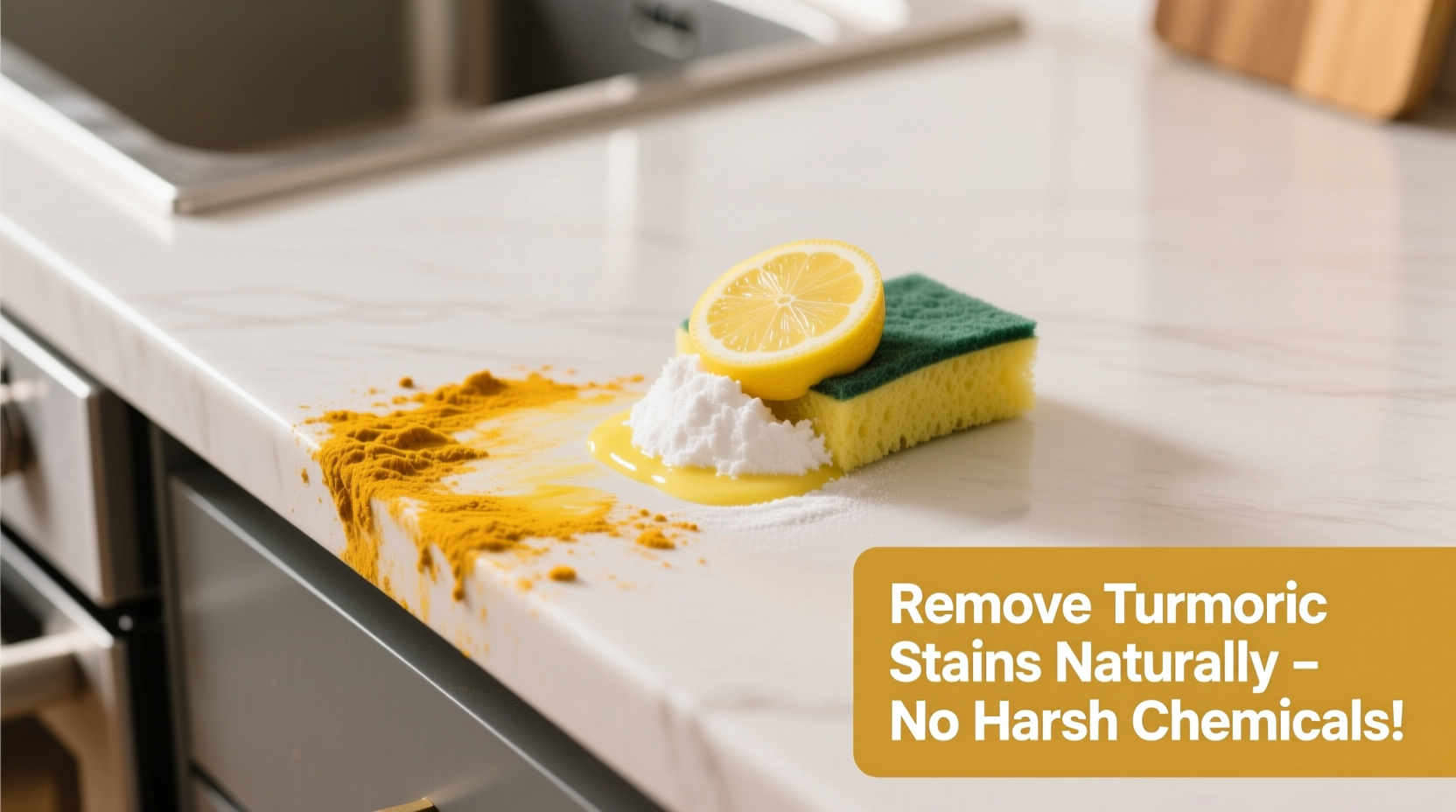
Turmeric contains curcumin, a naturally occurring polyphenol compound responsible for its deep yellow-orange hue. Curcumin is not only pigmented but also slightly acidic and hydrophobic, meaning it resists water and clings tightly to surfaces. When spilled on a countertop, especially one with microscopic pores or scratches, the pigment can seep below the surface layer.
White countertops, while elegant, show every discoloration clearly. Materials like marble or unsealed stone are particularly vulnerable because they absorb liquids rapidly. Even non-porous surfaces like solid surface countertops (e.g., Corian) can develop surface-level staining if the spill isn't wiped promptly.
Harsh chemical removers like chlorine bleach may seem like a quick fix, but they carry risks: etching delicate stone, dulling finishes, or releasing toxic fumes. The goal here is to lift the stain without compromising the integrity of your countertop or introducing harmful residues into your kitchen environment.
Safe & Effective Natural Cleaning Agents
Several common household items have properties that break down turmeric stains gently and effectively. Below are the top natural cleaners backed by both home experience and mild chemistry.
- Baking soda (sodium bicarbonate): A mild abrasive and alkaline agent that lifts stains without scratching most surfaces.
- Hydrogen peroxide (3% solution): A gentle oxidizer that helps fade organic pigments like curcumin. It's safer than bleach and breaks down into water and oxygen.
- Vinegar (white distilled): Acetic acid helps dissolve residue and sanitize the area. Use cautiously on natural stone, as acidity can etch marble or limestone.
- Dish soap (plant-based): Helps emulsify oily turmeric mixtures, especially when mixed with warm water.
- Lemon juice: Contains citric acid and natural bleaching properties. Effective for surface stains but should be rinsed thoroughly.
These ingredients can be used alone or combined into pastes and solutions tailored to different countertop types. Always test any mixture in an inconspicuous area first, especially on stone or engineered surfaces.
Step-by-Step Guide to Removing Turmeric Stains
Follow this structured approach to maximize effectiveness while minimizing risk to your countertop.
- Blot and rinse. If the spill is fresh, gently blot up excess turmeric with a dry cloth or paper towel. Rinse the area with cool water to prevent setting the stain. Avoid hot water initially, as heat can fix the pigment.
- Pretreat with dish soap. Mix a few drops of mild dish soap with lukewarm water. Dampen a soft sponge and gently scrub the stained area in circular motions. Rinse and assess. For light stains, this may be sufficient.
- Apply a baking soda paste. Combine 3 parts baking soda with 1 part water to form a thick paste. Spread it over the stain, covering it completely. Let sit for 15–30 minutes. Gently scrub with a non-abrasive sponge, then rinse thoroughly.
- Use hydrogen peroxide for set-in stains. If the stain remains, soak a cotton ball in 3% hydrogen peroxide and place it directly on the spot. Cover with plastic wrap to reduce evaporation and let sit for 30–60 minutes. Remove and rinse. Repeat if necessary.
- Final wipe and dry. Wipe the area with a clean, damp cloth to remove any residue. Dry completely with a microfiber towel to prevent water spots.
This sequence leverages physical cleaning, mild abrasion, and oxidation—all without synthetic chemicals. For older or deeply embedded stains, repeat the process over 1–2 days rather than increasing chemical strength.
Countertop-Specific Considerations
Not all countertops react the same way to natural cleaners. The porosity, sealant, and material composition determine which methods are safest.
| Countertop Type | Recommended Methods | Avoid |
|---|---|---|
| Quartz (engineered stone) | Baking soda paste, hydrogen peroxide, dish soap | Lemon juice (long exposure), vinegar (can dull finish) |
| Granite | Baking soda paste, hydrogen peroxide (if sealed) | Vinegar, lemon juice (can erode sealant) |
| Marble, Limestone | Dish soap, baking soda (very gentle) | All acids (vinegar, lemon), hydrogen peroxide (can etch) |
| Laminate | Baking soda paste, hydrogen peroxide, vinegar (short contact) | Steel wool, abrasive pads |
| Ceramic Tile | All listed methods (grout may need extra attention) | None, but seal grout after cleaning |
For natural stone, always confirm the surface is properly sealed. A simple test: drip a little water on the counter. If it beads up, the sealant is intact. If it darkens the surface, resealing may be needed after cleaning.
“Natural doesn’t mean risk-free. Even lemon juice or vinegar can damage calcium-based stones like marble. Always match your cleaner to your countertop’s chemistry.” — Dr. Lena Patel, Surface Materials Scientist, Green Home Institute
Mini Case Study: Reviving a Quartz Countertop After a Curry Spill
Sarah, a home cook in Portland, accidentally knocked over a bowl of turmeric-heavy curry onto her white quartz countertop. She wiped it immediately, but a faint yellow ring remained. Over the next two days, the stain became more noticeable.
Instead of reaching for a commercial degreaser, she tried a baking soda paste. After letting it sit for 20 minutes and gentle scrubbing, the stain lightened but didn’t disappear. She then applied hydrogen peroxide on a cotton pad, secured it with plastic wrap, and left it for 45 minutes. After rinsing, the stain was gone, and the surface looked as good as new.
She now keeps a small jar of pre-mixed baking soda paste under her sink for quick response to future spills. “I learned that patience matters,” she said. “One round wasn’t enough, but two gentle treatments worked better than one harsh one.”
Prevention Tips to Minimize Future Stains
While removing stains is important, preventing them is even better. A few smart habits can save time and effort in the long run.
- Use cutting boards or silicone mats when preparing colorful spices.
- Wash utensils and bowls immediately after use to avoid cross-contamination.
- Keep a damp microfiber cloth nearby during cooking for quick wipe-ups.
- Consider applying a food-safe countertop sealant annually, especially for porous materials.
- Store turmeric in tightly sealed containers to prevent accidental spills.
Also, avoid leaving turmeric-based mixtures in bowls on the counter for extended periods. Even indirect contact can transfer pigment over time.
FAQ
Can I use toothpaste to remove turmeric stains?
Some people report success with white, non-gel toothpaste due to its mild abrasives and whitening agents. However, many toothpastes contain sodium lauryl sulfate or dyes that could leave residue or cause further discoloration. Baking soda is a safer, more predictable alternative.
How long should I leave hydrogen peroxide on the stain?
For most countertops, 30 to 60 minutes is sufficient. Leaving it longer increases the chance of drying or minor surface changes, especially on sensitive materials. Always cover the soaked area with plastic wrap to maintain moisture and prevent evaporation.
Will sunlight help fade the stain?
Indirect sunlight has a mild bleaching effect on organic stains, but relying on it isn’t practical or fast. Worse, prolonged UV exposure can fade or degrade certain countertop materials, especially laminates. Stick to active cleaning methods instead.
Checklist: Natural Turmeric Stain Removal Routine
- Blot excess turmeric with a dry paper towel.
- Rinse area with cool water.
- Clean with soapy water and soft sponge.
- Apply baking soda paste; wait 15–30 minutes.
- Scrub gently and rinse.
- If stain persists, apply hydrogen peroxide via cotton ball.
- Cover with plastic wrap; wait 30–60 minutes.
- Rinse thoroughly and dry with microfiber cloth.
- Repeat if necessary, waiting 12 hours between treatments.
- Seal porous surfaces if needed to prevent future staining.
Conclusion
Removing turmeric stains from white countertops doesn’t require dangerous chemicals or expensive products. With a clear understanding of your countertop material and the right combination of baking soda, hydrogen peroxide, and careful technique, you can eliminate even stubborn discoloration safely and effectively. Prevention, prompt action, and consistent care make all the difference.




 浙公网安备
33010002000092号
浙公网安备
33010002000092号 浙B2-20120091-4
Comments
No comments yet. Why don't you start the discussion?