
In the digital age, video content is a powerful medium for communication, marketing, and storytelling. As more creators share their work online, watermarks have become a common way to assert ownership and prevent unauthorized use. However, there are legitimate situations where removing a watermark may be necessary—such as repurposing your own archived footage or using licensed content in a professional project. The key lies in doing so legally and ethically.
This article explores what watermarks are, why they exist, and when it’s acceptable to remove them. It provides actionable steps for handling watermarked videos responsibly, outlines legal boundaries, and offers best practices to protect both creators and users. Whether you're a content creator, marketer, or small business owner, understanding these principles ensures your work remains compliant and respectful of intellectual property rights.
Understanding Video Watermarks: Purpose and Types
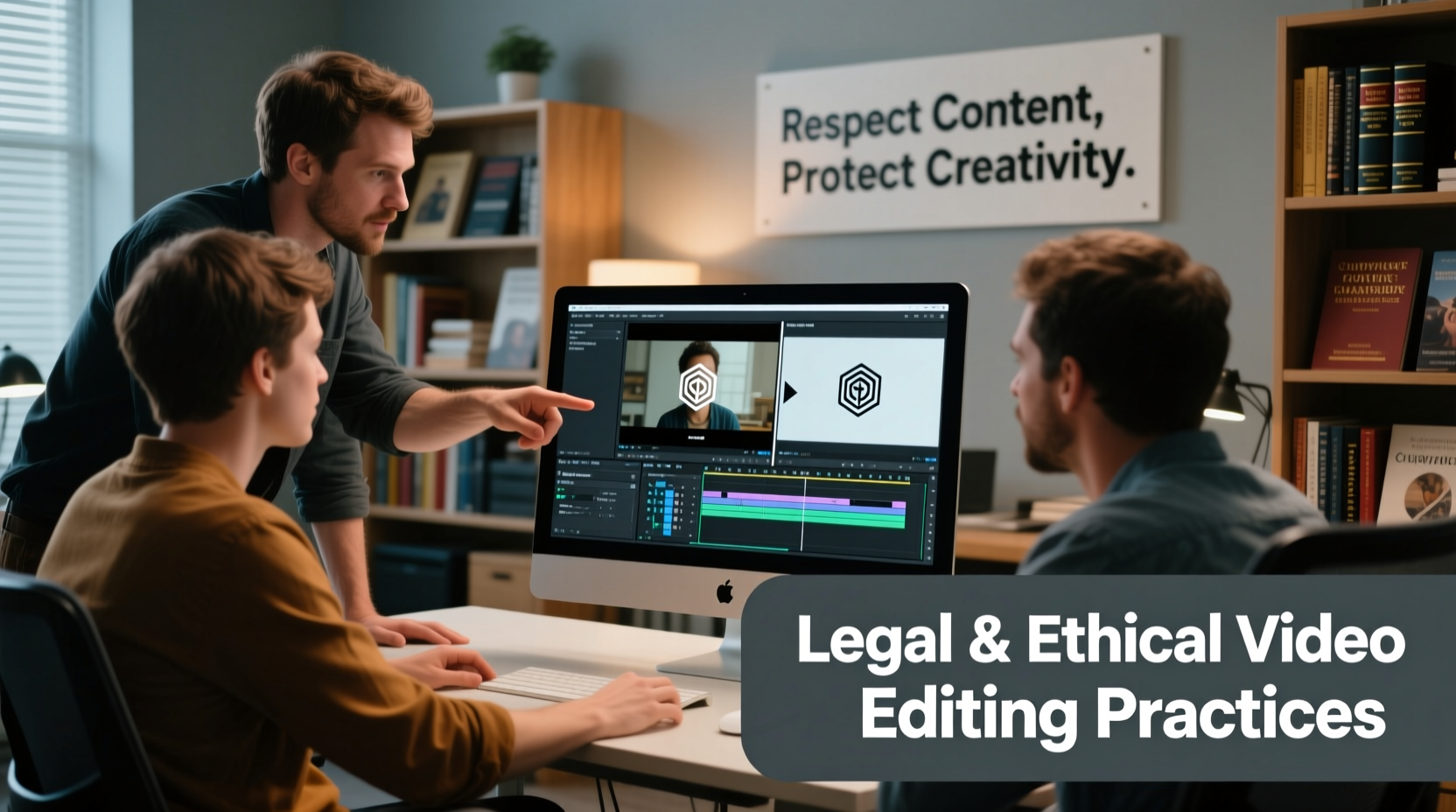
A video watermark is a visible or invisible overlay embedded into footage to identify the source, owner, or licensing status of the content. These markers serve several important functions:
- Ownership verification: Helps establish copyright claims.
- Deterrence against theft: Discourages unauthorized redistribution.
- Branding: Promotes channels or production companies (e.g., news outlets).
- Licensing indicators: Shows whether media is free-to-use, trial, or requires purchase.
There are two primary types of watermarks:
- Visible Watermarks: Typically semi-transparent logos, text, or graphics placed in corners or across the center of the frame. Common on stock footage previews or social media content.
- Invisible Watermarks: Digital signatures embedded in the file that don’t alter visual appearance but can be detected by software to verify authenticity or track usage.
While visible watermarks are often targeted for removal due to aesthetic concerns, tampering with either type without permission can lead to legal consequences under copyright law.
When Is It Legal and Ethical to Remove a Watermark?
The legality of removing a watermark hinges not on technical ability, but on authorization and intent. Under U.S. law and international treaties like the WIPO Copyright Treaty, circumventing technological protection measures—including digital watermarks—can violate anti-circumvention provisions unless an exception applies.
Here are scenarios where removal is generally considered legal and ethical:
- You own the full rights to the video. If you created all components of the footage (including music, visuals, voiceovers), and no third-party licenses apply, you may modify or remove watermarks freely.
- You’ve purchased a royalty-free license that includes a clean version. Many stock platforms offer “extended” or “premium” licenses that provide watermark-free files upon payment.
- The content is in the public domain. Works whose copyrights have expired or were explicitly waived can be used freely, including watermark removal if present.
- You obtained explicit written permission from the rights holder. This could include a filmmaker, agency, or platform granting clearance for commercial use without branding.
Conversely, it's unethical—and potentially illegal—to remove a watermark when:
- The video was downloaded from a free preview library (e.g., Shutterstock, Adobe Stock) without purchasing a license.
- The content belongs to another creator, even if shared publicly on YouTube or TikTok.
- You’re attempting to pass off someone else’s work as your own.
“Removing a watermark doesn’t just break terms of service—it undermines trust in creative economies. Always seek permission first.” — Lena Patel, Intellectual Property Attorney at CreativeLaw Partners
Step-by-Step Guide: How to Handle Watermarked Videos Responsibly
If you need a watermark-free version of a video for a legitimate purpose, follow this responsible process:
- Identify the source and ownership. Determine who created the video and whether any licensing terms apply. Look for metadata, credits, or platform disclaimers.
- Review the license agreement. Check if the current license permits editing or commercial use. Platforms like Pond5, Artgrid, and Storyblocks clearly state usage rights.
- Contact the rights holder for permission. Send a concise request explaining your intended use, distribution scope, and desired modifications.
- Purchase a proper license if required. Upgrade to a full license that grants access to clean versions. Prices vary based on resolution, duration, and exclusivity.
- Use official tools or provided assets. Reputable providers often supply high-quality, unbranded versions directly after licensing.
- Edit only after authorization. Once approved, use video editing software to crop, blur, or replace the watermark area if needed—but avoid distorting original content integrity.
This approach minimizes risk and supports fair compensation for creators. Rushing to edit or download bypasses not only violates laws but damages industry standards.
Common Misconceptions About Watermark Removal
Several myths persist about the legality and feasibility of removing watermarks:
| Misconception | Reality |
|---|---|
| \"If it’s online, it’s free to use.\" | No. Public availability does not equal public domain. Most online content retains copyright protection. |
| \"Cropping out the watermark makes it legal.\" | No. Altering copyrighted material without consent is still infringement, regardless of method. |
| \"I gave credit, so it’s okay.\" | Credit doesn’t substitute for permission. Attribution is good practice but doesn't grant usage rights. |
| \"Free watermark remover tools are safe.\" | Many such tools distribute malware or harvest data. They also encourage illegal activity. |
These misconceptions often stem from misinformation or shortcuts promoted in online forums. Understanding the difference between accessibility and ownership is crucial for ethical content creation.
Tools and Techniques for Authorized Watermark Editing
Once you have legal clearance, various professional tools allow precise editing of watermarked areas. These should only be used on content you have the right to modify.
Recommended Software:
- Adobe Premiere Pro: Use the Ultra Key or Content-Aware Fill features to seamlessly remove overlays.
- DaVinci Resolve: Offers advanced masking and tracking for dynamic watermark removal.
- Final Cut Pro X: Combine shape masks with motion tracking to cover moving watermarks.
- HitFilm Express (Free): A capable free option with rotoscoping tools for basic edits.
Editing Methods:
- Crop: Remove edges containing static watermarks. Best for center-placed logos; reduces aspect ratio.
- Clone/Heal: Copy surrounding pixels to overwrite the mark. Works well for small, fixed-position logos.
- Object Removal AI Tools: Some plugins (like Red Giant’s Universe) automate cleanup—but require skill to avoid artifacts.
- Blur or Pixelate: Obscure the watermark while preserving frame composition. Less ideal for professional output.
Mini Case Study: A Marketing Agency’s Ethical Approach
A mid-sized digital marketing firm needed promotional b-roll for a client campaign. Their designer found compelling drone footage on a stock site, but it included a large central watermark. Instead of using a third-party remover app, the team contacted the platform, purchased an extended license for $149, and received the clean 4K version within minutes.
Though slightly over budget, the agency avoided potential takedown notices or fines. More importantly, they maintained a reputation for ethical sourcing—a value highlighted in their client reports. When questioned, they could prove lawful use, strengthening client trust.
This example shows that investing in proper licensing isn’t just compliant—it enhances professionalism and long-term credibility.
Checklist: Ensuring Legal and Ethical Compliance
Before modifying any video with a watermark, run through this checklist:
- ✅ I have confirmed the video’s source and ownership.
- ✅ I reviewed the license terms and understand usage restrictions.
- ✅ I have purchased a valid license or obtained written permission.
- ✅ The content is not protected by additional rights (e.g., model releases, music copyrights).
- ✅ I am not misrepresenting authorship or altering context deceptively.
- ✅ I will retain proof of authorization for future reference.
Following this list helps ensure your actions align with both legal standards and ethical best practices.
Frequently Asked Questions
Can I remove a watermark if I edit the video significantly?
No. Transformative edits do not negate copyright. Even heavily modified versions require permission if they derive from copyrighted source material. Courts assess factors like originality and market impact, but never assume transformation overrides licensing.
Are there exceptions under fair use?
Fair use allows limited use of copyrighted material for criticism, commentary, education, or parody. However, simply removing a watermark to use footage commercially does not qualify. Fair use is narrowly interpreted and varies by jurisdiction.
What happens if I remove a watermark illegally?
Potential consequences include DMCA takedown notices, account suspension on hosting platforms, monetary damages (up to $25,000 per violation in the U.S.), and reputational harm. Some cases result in lawsuits, especially if the content generates revenue.
Conclusion: Respect Ownership, Create Responsibly
Watermarks exist to protect creative labor and maintain transparency in digital ecosystems. While there are valid reasons to seek watermark-free versions, the path forward must prioritize legality and ethics over convenience. By verifying ownership, obtaining proper licenses, and using authorized tools, you contribute to a sustainable creative economy.
Every time you choose to respect intellectual property, you support artists, filmmakers, and innovators who rely on fair compensation. That principle strengthens not only individual projects but the entire landscape of digital content.




 浙公网安备
33010002000092号
浙公网安备
33010002000092号 浙B2-20120091-4
Comments
No comments yet. Why don't you start the discussion?