
The skin around the eyes is among the thinnest and most sensitive on the body—up to ten times thinner than facial skin. When removing waterproof mascara, aggressive rubbing or improper techniques can lead to irritation, premature wrinkles, broken capillaries, or even lash loss. Yet, because waterproof formulas are designed to resist water, sweat, and tears, they often tempt users into scrubbing too hard. The good news: it’s entirely possible to dissolve even the most stubborn mascara gently and effectively. With the right tools, timing, and technique, you can maintain both clean lashes and healthy skin.
Why Waterproof Mascara Is So Stubborn
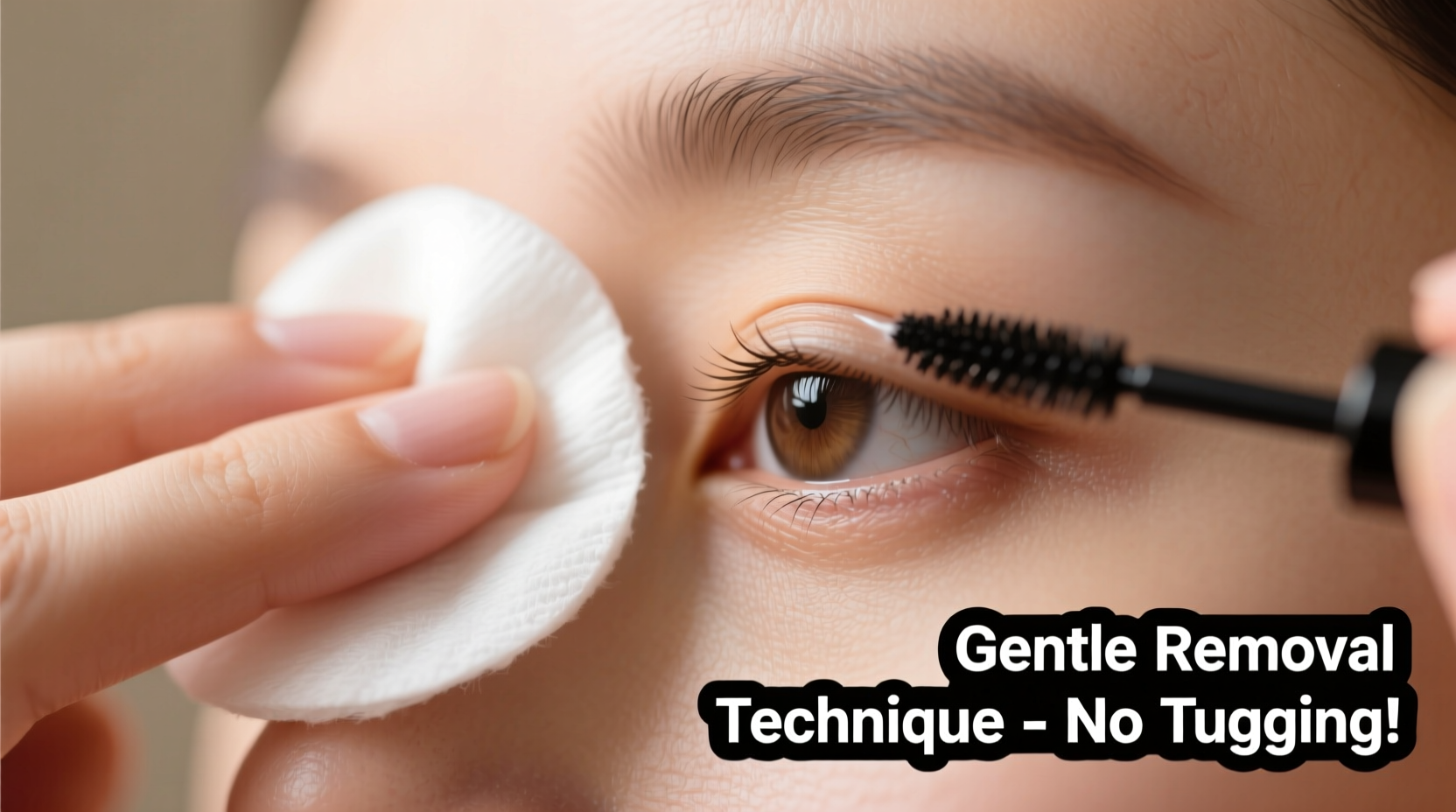
Waterproof mascara uses polymers and waxes that form a water-resistant film over lashes. These ingredients repel moisture, which is ideal during workouts or humid days but makes removal more challenging. Common components like acrylates copolymer or carnauba wax create a durable bond that resists standard cleansers. This durability demands an oil-based or dual-phase remover to break down the formula without friction.
When people resort to dry wiping or harsh soaps, they increase mechanical stress on the eyelid. Over time, this contributes to fine lines and weakened lash follicles. Understanding the science behind the product helps explain why gentler, dissolution-focused methods outperform forceful wiping.
Step-by-Step Guide to Gentle Removal
Removing waterproof mascara without damage requires patience and precision. Follow this five-step process for consistent results:
- Prep the Eye Area: Wash your hands thoroughly. Sit in a well-lit space with a mirror. If wearing contacts, remove them first to avoid transferring residue.
- Choose the Right Remover: Select an oil-based or dual-phase formula specifically labeled for waterproof makeup. Avoid alcohol-heavy solutions, which can dry out the skin and cause tightness.
- Soak a Cotton Pad or Round: Apply a generous amount of remover to a soft cotton pad. Fold it slightly to create a cleaner edge for lower lashes. For precision, use a cotton swab for inner corners.
- Press and Hold: Place the soaked pad directly over closed eyelids for 15–30 seconds. Do not wipe yet. This allows the oils to penetrate and loosen the mascara bonds.
- Wipe Gently Downward: After soaking, glide the pad downward along the lashes in one smooth motion. Repeat if needed, reapplying remover rather than increasing pressure.
Always follow up with a mild facial cleanser to remove any oily residue and prevent clogged glands near the lash line.
Best Types of Makeup Removers for Sensitive Eyes
Not all removers are created equal—especially when dealing with fragile periocular skin. Here’s a breakdown of effective options:
- Oil-Based Removers: Coconut, jojoba, or grapeseed oil effectively dissolve waxes and polymers. Pure plant oils work well but may feel heavy; opt for lightweight versions if prone to milia.
- Biphase (Dual-Phase) Solutions: These combine oil and water in one bottle. Shake before use to activate. Ideal for dissolving pigment while rinsing cleanly.
- Cream-Based Removers: Thicker consistency adheres well to lashes without dripping into eyes. Often formulated with soothing agents like chamomile or aloe.
- Micellar Water (Limited Use): While convenient, most micellar waters aren’t strong enough for full waterproof removal. Reserve for light buildup or second passes after oil use.
| Remover Type | Effectiveness on Waterproof Mascara | Gentleness on Skin | Best For |
|---|---|---|---|
| Oil-Based | ★★★★★ | ★★★★☆ | Daily use, sensitive skin (if non-comedogenic) |
| Biphase | ★★★★★ | ★★★★☆ | Heavy-duty removal, travel |
| Cream | ★★★★☆ | ★★★★★ | Elderly users, very dry skin |
| Micellar Water | ★★☆☆☆ | ★★★★★ | Quick touch-ups, minimal makeup |
Common Mistakes That Damage the Eye Area
Even with good intentions, many people unknowingly harm their eye skin during makeup removal. Watch out for these pitfalls:
- Using Dry Cotton Pads: Applying friction without sufficient lubrication increases micro-tearing risk.
- Reusing the Same Side of a Pad: Transfers old mascara back onto clean skin, requiring extra passes.
- Dragging Sideways Across Lashes: Horizontal motions pull at the eyelid and stretch elastic fibers.
- Skipping Double Cleansing: Leaving oily residue can contribute to styes or blepharitis.
- Using Paper Towels or Rough Fabrics: These abrade delicate tissue—stick to soft cotton or reusable rounds.
“Patients frequently come in with periorbital hyperpigmentation or early creping due to chronic eye rubbing. Switching to a press-and-hold method with an oil-based remover reverses visible damage within weeks.” — Dr. Lena Torres, Board-Certified Dermatologist
Mini Case Study: Reversing Chronic Irritation
Sarah, a 34-year-old nurse, wore waterproof mascara daily due to long shifts and frequent handwashing. She noticed her upper lids were increasingly red, crepey, and prone to flaking. After consulting a dermatologist, she learned her aggressive wiping with micellar water was the culprit. She switched to a biphase remover and adopted the 20-second press method. Within three weeks, inflammation reduced significantly. By week six, her skin texture improved, and she reported less morning puffiness. Her key change? Allowing time for the product to work instead of relying on force.
Checklist: Safe Waterproof Mascara Removal Routine
Use this checklist nightly to protect your eye area:
- ✅ Wash hands before touching face
- ✅ Choose an ophthalmologist-tested remover
- ✅ Shake biphase formulas before use
- ✅ Soak cotton pad thoroughly
- ✅ Press and hold for 15–30 seconds per eye
- ✅ Wipe downward only—never side-to-side
- ✅ Use a fresh side of the pad for each eye
- ✅ Follow with pH-balanced facial cleanser
- ✅ Pat dry—don’t rub—with a clean towel
- ✅ Apply eye cream afterward to reinforce moisture barrier
FAQ: Your Top Questions Answered
Can I use baby oil to remove waterproof mascara?
Yes, pure baby oil (mineral oil) is effective and generally safe for the eye area. However, ensure it’s fragrance-free and hypoallergenic. Some find it comedogenic, so patch test first. Avoid getting it directly in the eyes to prevent temporary blurring or irritation.
Is it better to remove mascara in the shower?
No. Steam and water can dilute removers, reducing their effectiveness. Wet cotton pads lose absorbency, leading to smearing rather than lifting. Additionally, warm water opens pores and increases product absorption—potentially introducing irritants deeper into sensitive skin. Always remove eye makeup before entering the shower.
How often should I replace my makeup remover?
Most liquid removers last 6–12 months unopened, and 3–6 months after opening. Check for changes in smell, color, or separation that doesn’t resolve with shaking. Expired formulas may harbor bacteria or lose efficacy, forcing you to rub harder.
Alternative Tools and Techniques
While cotton pads remain standard, alternatives exist for those seeking zero waste or enhanced comfort:
- Reusable Microfiber Cloths: Designed to lift makeup with minimal product. Choose ultra-soft varieties and wash after each use.
- Silicone Applicator Pads: Attach to fingers and work with remover to target lower lashes precisely. Easy to sanitize.
- Lash Bath Brushes: Tiny, soft-bristled tools used with cleansing oils to massage along the lash line, ideal for mascara buildup near roots.
Regardless of tool choice, the principle remains: minimize friction by maximizing solvent action.
Conclusion: Protect Your Eyes, Preserve Your Skin
Removing waterproof mascara doesn’t have to mean compromising the health of your delicate eye area. By choosing the right remover, applying it correctly, and respecting the fragility of periocular skin, you can maintain both flawless lashes and smooth, youthful eyelids. The secret lies not in strength, but in strategy—letting emollients dissolve rather than force removing. Small adjustments in routine yield significant long-term benefits, from reduced irritation to delayed signs of aging. Make gentle removal a non-negotiable part of your skincare ritual.




 浙公网安备
33010002000092号
浙公网安备
33010002000092号 浙B2-20120091-4
Comments
No comments yet. Why don't you start the discussion?