
Car problems are more than just inconvenient—they can be costly, dangerous, and deeply frustrating. Whether it’s an engine fault, transmission failure, or persistent warning light, knowing how to report a car issue properly can mean the difference between being dismissed and getting the resolution you deserve. Too many drivers accept poor service because they don’t know their rights or how to escalate concerns effectively. This guide walks you through every stage of reporting a vehicle problem with confidence, clarity, and authority.
Why Reporting Matters: More Than Just a Complaint
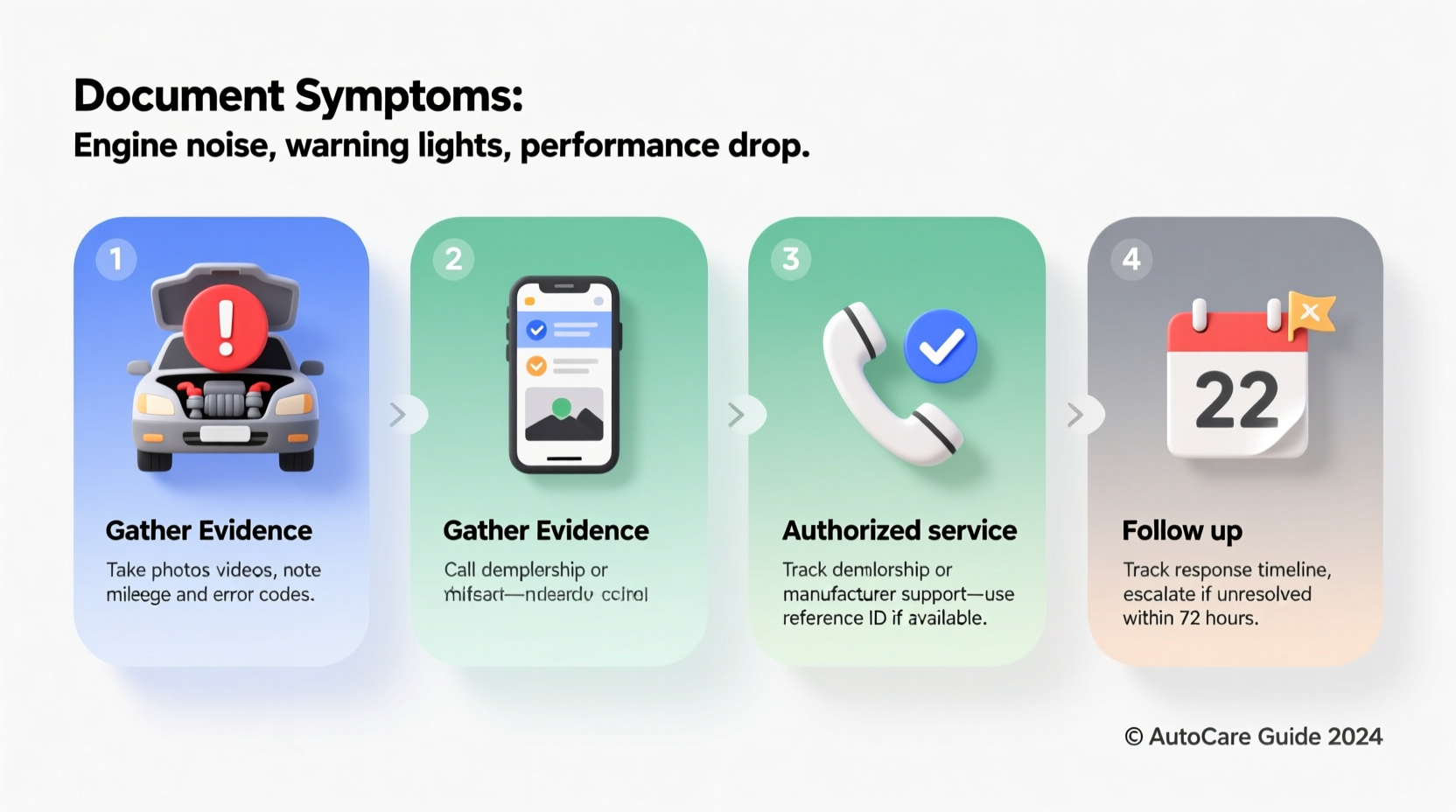
Filing a formal complaint about a car issue does more than seek a fix—it creates a documented trail that protects your rights as a consumer. Manufacturers and dealerships often rely on volume data to identify recurring defects. When multiple owners report the same problem, it increases the likelihood of recalls, technical service bulletins (TSBs), or even class-action lawsuits. Your voice contributes to broader accountability.
Moreover, unresolved issues can affect resale value, safety ratings, and warranty claims. A well-documented report strengthens your position if you need to dispute repairs, invoke lemon laws, or pursue arbitration.
“Consumers who document and formally report vehicle defects play a critical role in improving automotive safety standards.” — National Highway Traffic Safety Administration (NHTSA)
Step-by-Step Guide to Reporting a Car Issue
Follow this structured process to ensure your complaint is taken seriously and acted upon promptly.
- Identify and Document the Problem
Record when the issue first appeared, under what conditions (e.g., cold start, highway driving), and any patterns. Note dashboard warning lights, unusual noises, or performance changes. - Gather Supporting Evidence
Take photos, record short videos of the malfunction, and keep logs of mileage, dates, and symptoms. Save all related emails, service receipts, and repair orders. - Contact the Dealership or Service Center
Start with the authorized service provider. Clearly describe the issue and request a diagnostic check. Ask for a written summary of findings—even if no fault is found. - Escalate to the Manufacturer
If unsatisfied, contact the manufacturer’s customer service. Provide your VIN (Vehicle Identification Number), service history, and evidence. Request a case number for tracking. - File with Regulatory Agencies
If the issue remains unresolved or involves safety risks, submit reports to official bodies like the NHTSA (U.S.) or Transport Canada. - Explore Legal or Arbitration Options
For chronic problems covered under warranty, consider filing under your state’s lemon law or manufacturer-backed arbitration program.
What to Include in Your Official Complaint
A strong complaint isn’t emotional—it’s factual, detailed, and organized. Whether writing to a dealer, manufacturer, or government agency, include these key elements:
- Your full name, address, phone number, and email
- Vehicle details: Make, model, year, VIN, mileage
- Clear description of the issue (symptoms, frequency, triggers)
- Dates and locations of all service visits
- Copies of repair invoices and diagnostic reports
- Expected resolution (repair, replacement, refund, etc.)
Be concise but thorough. Avoid exaggeration or anger—stick to facts. For example:
\"My 2022 Honda CR-V (VIN: 5J6RM4H5XNH123456) experiences sudden loss of power at speeds above 55 mph. This has occurred seven times since January 2024, most recently on March 18 while merging onto I-95. The dealership performed diagnostics on February 3 and replaced the throttle body, but the issue persists. I am requesting a full investigation and permanent resolution under warranty.\"
Where to Report: Key Channels Compared
| Reporting Channel | Best For | Response Time | Legal Weight |
|---|---|---|---|
| Dealership Service Department | Initial diagnosis, warranty work | 1–3 business days | Low (informal) |
| Manufacturer Customer Care | Warranty disputes, recurring issues | 3–7 business days | Medium (creates internal record) |
| NHTSA (nhtsa.gov) | Safety-related defects, recall advocacy | Public database; no individual reply | High (regulatory impact) |
| BBB Auto Line (bbbservices.org) | Mediation, arbitration | 2–4 weeks | High (binding decisions possible) |
| State Lemon Law Programs | Chronic, unfixable defects | Varies by state (4–12 weeks) | Very High (legal remedy) |
Mini Case Study: Resolving a Persistent Transmission Issue
Mark T., a software engineer from Austin, noticed his 2023 Toyota Camry jerking during acceleration. He visited the local dealership three times over four months. Each time, the technician claimed “no fault found.” Frustrated but determined, Mark began documenting every incident: video of the shuddering, a log of occurrences, and copies of all service records.
He then contacted Toyota’s national customer experience center, submitting a detailed letter with evidence and requesting escalation. Within two weeks, a regional technical specialist was assigned. After independent testing, Toyota acknowledged a software glitch in the transmission control module and issued a recall affecting over 18,000 vehicles. Mark received a free reflash update and a $500 goodwill voucher.
His success came not from persistence alone—but from meticulous documentation and strategic escalation.
Tips for Maximum Impact
Checklist: Before You Submit Any Car Complaint
- ✅ Verified the issue occurs under normal driving conditions
- ✅ Recorded dates, mileage, and descriptions of each occurrence
- ✅ Visited an authorized service center and obtained a repair order
- ✅ Collected all receipts, emails, and diagnostic results
- ✅ Confirmed the vehicle is still under warranty (if applicable)
- ✅ Drafted a clear, professional complaint letter with supporting facts
- ✅ Sent the complaint via traceable method (email with read receipt or certified mail)
Frequently Asked Questions
Can I report a car issue if my warranty has expired?
Yes. While warranty coverage may have lapsed, you can still report safety concerns to the NHTSA or manufacturer. Some issues may qualify for a goodwill repair or fall under a newly issued recall that covers older models.
How long does a manufacturer have to respond to a complaint?
There is no federal mandate, but reputable brands typically respond within 5–7 business days. If you don’t hear back, follow up with a polite reminder and reference your case number.
Will filing a complaint void my warranty?
No. Federal law (the Magnuson-Moss Warranty Act) prohibits manufacturers from voiding warranties simply because a consumer files a complaint or seeks legal advice.
Conclusion: Turn Frustration into Action
A car is one of the most expensive purchases most people make—and when it fails to perform, silence only prolongs the problem. By following a disciplined approach to reporting car issues, you protect your investment, enhance your safety, and contribute to greater transparency in the auto industry. Don’t assume nothing can be done. With the right documentation, channel selection, and persistence, many seemingly ignored issues are resolved swiftly.




 浙公网安备
33010002000092号
浙公网安备
33010002000092号 浙B2-20120091-4
Comments
No comments yet. Why don't you start the discussion?