
Every household accumulates worn-out t-shirts over time—faded logos, stretched necklines, or small stains that make them unsuitable for wearing but far from useless. Instead of tossing them into the trash or donation bin where they may still end up in landfills, consider a smarter, sustainable alternative: turning them into high-quality cleaning rags. This simple practice not only reduces textile waste but also replaces disposable paper towels with durable, absorbent, and cost-effective cloths. With minimal effort and no special tools, you can transform your old cotton tees into practical cleaning aids for every room in your home.
Why Repurposing T-Shirts Makes Sense
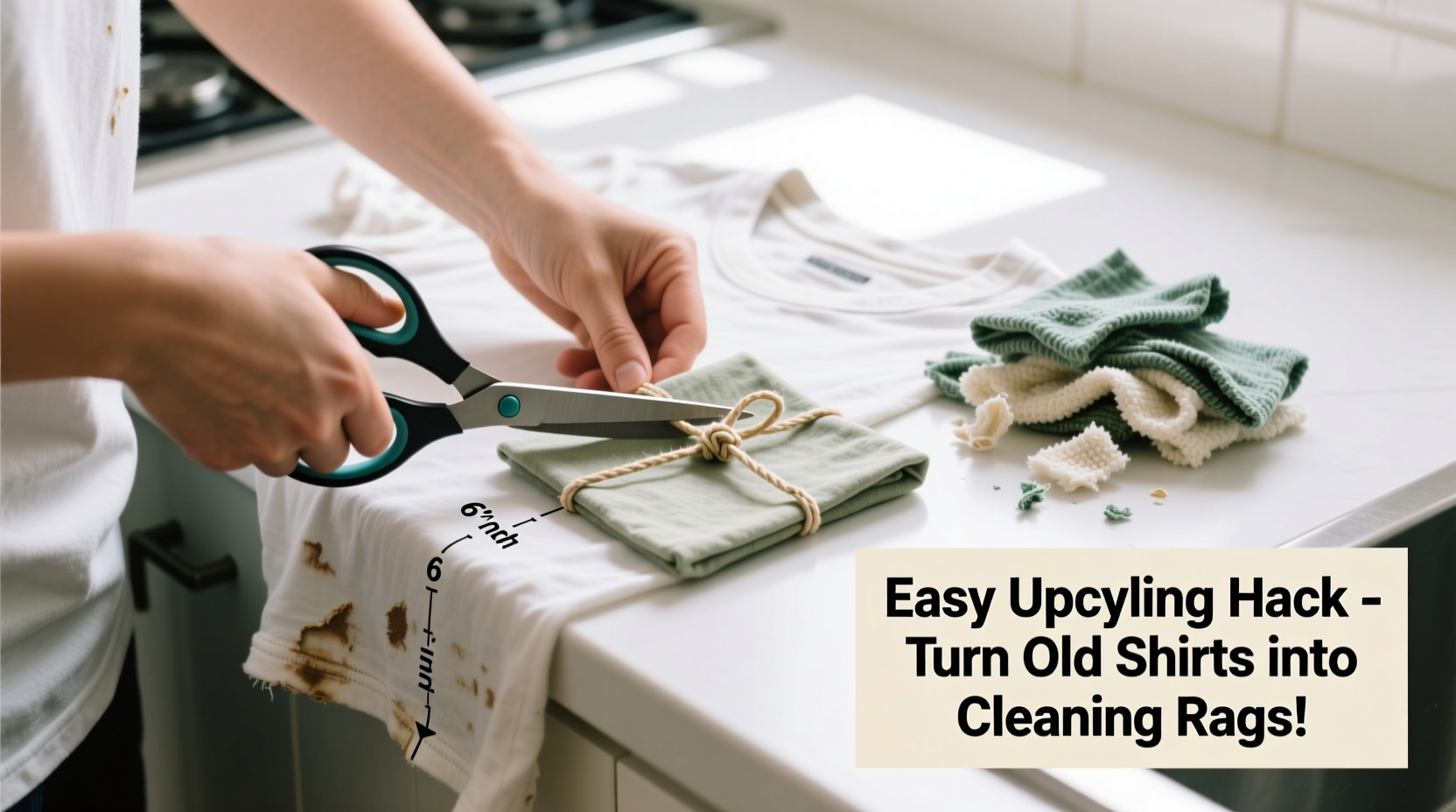
Cotton t-shirts are typically made from soft, tightly woven knit fabric that holds up well to repeated washing and scrubbing. Unlike synthetic microfiber, which sheds plastic particles, or paper towels, which contribute to deforestation and landfill buildup, cotton rags are biodegradable, reusable, and highly functional. According to the Environmental Protection Agency (EPA), textiles account for nearly 6% of all municipal solid waste in the U.S., with millions of tons discarded annually. By repurposing just a few old shirts, you actively reduce this environmental burden.
Additionally, using homemade rags saves money. A single roll of quality paper towels costs $1–$3, and frequent users may go through multiple rolls per month. In contrast, a stack of rags made from old t-shirts lasts months or even years with proper care. They’re also gentler on surfaces—ideal for dusting electronics, polishing glass, or wiping down countertops without scratching.
Step-by-Step Guide to Making Cleaning Rags from Old T-Shirts
Creating cleaning rags is a straightforward process that requires only scissors and a few minutes of your time. Follow this detailed timeline to efficiently convert your old shirts into useful tools.
- Gather Materials: Collect 3–5 old t-shirts. Avoid heavily stained or torn ones unless you plan to cut around damaged areas.
- Sort by Color and Fabric Type: Separate light and dark colors to prevent dye transfer during future washes. Also, separate heavy cotton from thin or blended fabrics if you want consistent rag performance.
- Lay Flat and Smooth: Place each shirt on a clean, flat surface. Smooth out wrinkles so cuts are even and efficient.
- Cut Off Seams and Collars: Use sharp fabric scissors to remove sleeves, side seams, and collars. These areas are often thicker or contain tags and stitching that can snag surfaces.
- Divide Into Squares or Strips: Cut the remaining fabric panel into 6x6 inch squares for general cleaning or 2-inch wide strips for mopping handles or dusters.
- Optional: Prevent Fraying: If desired, lightly singe the edges with a candle flame (done safely outdoors) or use pinking shears to minimize unraveling.
- Wash Before First Use: Run the rags through a warm wash cycle to soften fibers and remove any residual dyes or chemicals.
This entire process takes about 15–20 minutes for five shirts and yields 30–40 usable rags, depending on size and cut. Store them in a breathable cotton bag or lidded container near your cleaning supplies for easy access.
Best Uses for Homemade T-Shirt Rags
Different sizes and fabric weights suit various cleaning tasks. Matching the right rag to the job improves efficiency and prolongs the life of both the cloth and the surface being cleaned.
| Rag Size/Type | Recommended Use | Why It Works |
|---|---|---|
| 6x6 inch square (medium weight) | Countertops, sinks, appliances | Absorbent and large enough to cover spills quickly |
| 8x8 inch square (heavy cotton) | Floor wiping, window cleaning | High durability and streak-free finish on glass |
| 2-inch strips | Attaching to mop heads or duster handles | Flexible and secure; won’t slip off |
| Small 4x4 inch pieces | Polishing jewelry, electronics, eyeglasses | Lint-free and gentle on delicate finishes |
| Dark-colored rags | Greasy stovetops, garage tools | Hide grime and resist showing oil stains |
For example, a thick navy blue crewneck tee from an old gym membership can be transformed into heavy-duty kitchen rags perfect for scrubbing baked-on food. Meanwhile, a soft pastel graphic tee might become a set of gentle cloths ideal for dusting shelves or wiping down baby bottles.
Common Mistakes to Avoid
While making rags is simple, a few missteps can reduce their effectiveness or lifespan. Be mindful of these common errors:
- Using excessively thin or hole-ridden fabric: While minor wear is acceptable, rags with weak spots tear easily and become ineffective after one or two uses.
- Mixing colors during washing: Even pre-washed dark rags can bleed dye. Always wash new rags separately by color group before combining them in regular loads.
- Leaving detergent residue: Overuse of soap leaves films that reduce absorbency. Rinse thoroughly and avoid fabric softeners, which coat fibers and diminish cleaning power.
- Storing damp rags: Moisture breeds mildew and odors. Always air-dry rags completely before storing them in a dry cabinet or bin.
- Cutting too small: Tiny scraps are hard to grip and inefficient. Stick to at least 4x4 inches for usability.
Real-Life Example: How One Family Reduced Paper Towel Use by 80%
The Thompson family of four in Portland, Oregon, decided to eliminate paper towels from their home after learning about their environmental impact. They began by collecting old t-shirts from each family member—worn band tees, outdated workout gear, and kids’ outgrown school shirts. Over a weekend, they cut 18 shirts into uniform 7x7 inch rags, totaling 96 pieces. They assigned colors: whites for food-safe surfaces, blues for bathrooms, and darker tones for garages and outdoor furniture.
They stored the rags in labeled bins under the sink and in the laundry room. After each use, rags went into designated mesh laundry bags sorted by color. Washed weekly with eco-friendly detergent, the rags remained fresh and effective. Within three months, the family stopped buying paper towels entirely. Their annual savings? Over $150. More importantly, they diverted nearly 20 pounds of paper waste from landfills each year.
“We didn’t realize how much we relied on disposables until we replaced them,” said Sarah Thompson. “Now, my kids grab a rag without thinking. It’s just part of our routine.”
“We underestimate the value of everyday textiles. A t-shirt has a second life as a powerful cleaning tool—soft, sustainable, and surprisingly effective.” — Dr. Lena Patel, Sustainable Materials Researcher, Green Living Institute
Maximizing Longevity and Performance
To get the most out of your repurposed rags, follow these maintenance practices:
- Rotate usage: Don’t use the same rag daily. Rotate between sets to allow thorough drying and reduce wear.
- Spot-treat stains: For oily or sticky messes, rinse rags immediately or soak in warm water with baking soda before washing.
- Air-dry when possible: Line drying preserves fabric integrity better than machine drying, which can shrink or weaken fibers over time.
- Retire when worn: When rags become thin, frayed, or lose absorbency, compost them (if 100% cotton) or use as packing material before disposal.
You can also enhance functionality by soaking rags in natural cleaning solutions. For instance, mix equal parts water and white vinegar with a few drops of lemon essential oil, then store rags in a sealed container for ready-to-use disinfecting wipes. Just ensure they’re wrung out well to avoid dripping.
Frequently Asked Questions
Can I use printed or graphic t-shirts for cleaning rags?
Yes, as long as the print isn’t peeling or cracking. Screen-printed designs typically don’t interfere with cleaning ability. However, avoid using rags with loose ink on light-colored surfaces to prevent transfer.
How often should I replace homemade cleaning rags?
With proper care, cotton rags last 6–12 months. Replace them when they develop holes, become overly stiff, or no longer absorb liquids effectively. Heavily used rags may need replacement sooner.
Are t-shirt rags hygienic for kitchen use?
Absolutely—provided they’re washed regularly at high temperatures. For food-safe cleaning, reserve a dedicated set of light-colored rags used only in the kitchen and launder them after each use, especially after handling raw meat or produce.
Checklist: Turn Old T-Shirts Into Cleaning Rags
- ☐ Gather 3–5 old t-shirts (preferably cotton)
- ☐ Sort by color: lights, darks, and brights
- ☐ Remove sleeves, collars, and seams
- ☐ Cut fabric into 6x6 inch squares or 2-inch strips
- ☞ Optional: Sear edges or use pinking shears
- ☐ Wash rags before first use
- ☐ Store in labeled, dry containers
- ☐ Begin using and rotate regularly
- ☐ Wash weekly or after heavy use
- ☐ Retire and compost when worn out
Conclusion: Start Small, Think Big
Repurposing old t-shirts into cleaning rags is more than a DIY project—it’s a shift toward mindful consumption and environmental responsibility. Each rag you create represents a small victory against waste, a step toward a cleaner home, and a commitment to smarter living. You don’t need special skills or equipment to begin. Just a pair of scissors, a few forgotten shirts, and the willingness to see potential where others see trash.
Start today with one t-shirt. Cut it into four squares. Use them to wipe counters, polish mirrors, or dust shelves. Notice how well they work. Then add another shirt next week. Soon, you’ll have a full system in place—reliable, economical, and sustainable. Share the idea with friends or post a photo online. Small actions inspire bigger change. The next time you consider throwing out an old tee, remember: its best use might still be ahead.




 浙公网安备
33010002000092号
浙公网安备
33010002000092号 浙B2-20120091-4
Comments
No comments yet. Why don't you start the discussion?