
Requests are a natural part of human interaction—whether it’s asking a colleague for feedback, seeking advice from a mentor, or inquiring about a service provider’s availability. Yet, many people hesitate or struggle with how to make these requests in a way that feels respectful, clear, and likely to succeed. The difference between a dismissed message and a positive response often comes down to how the request is framed. With the right approach, you can increase your chances of getting what you need while strengthening relationships and maintaining professionalism.
Understand the Psychology Behind Effective Requests
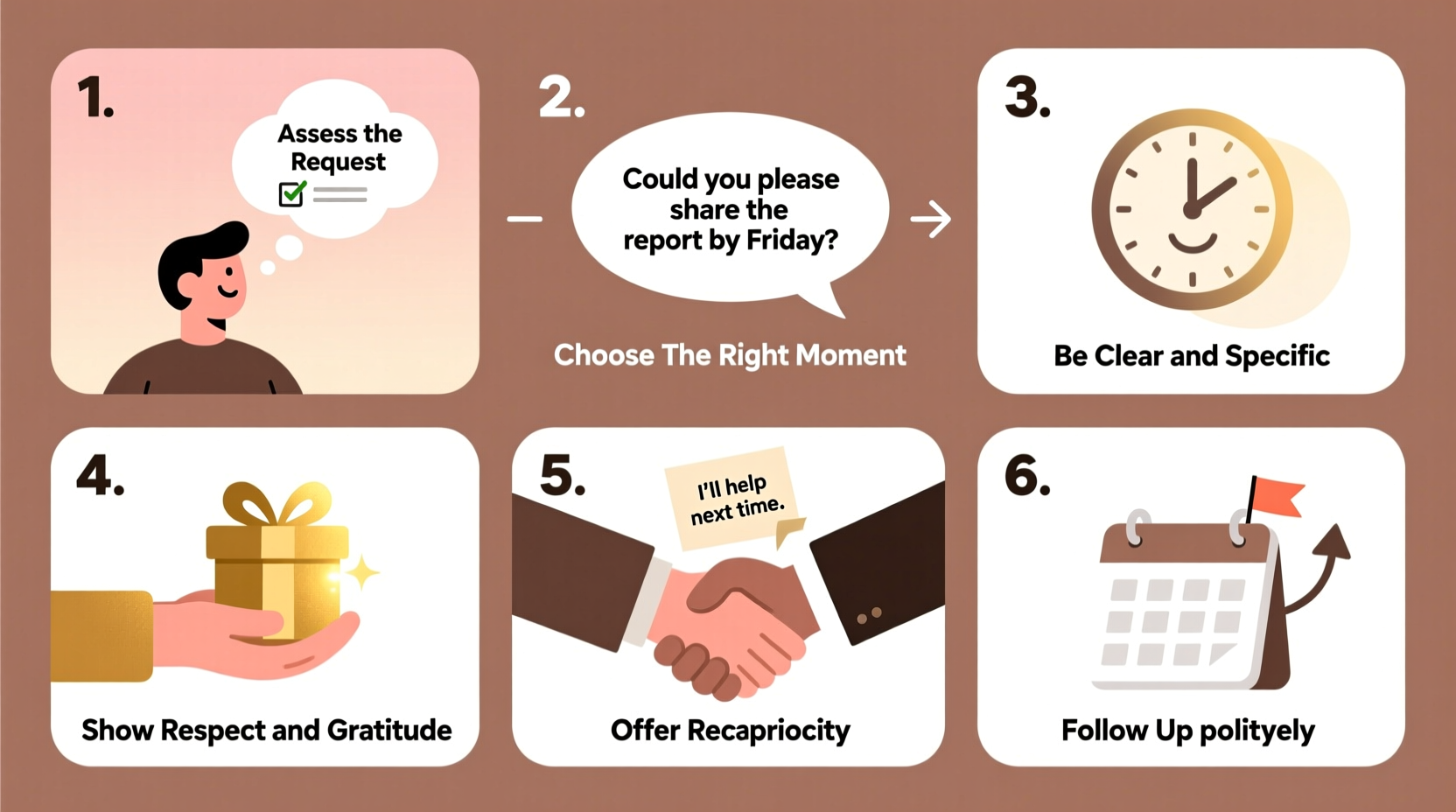
People are more likely to respond positively to requests when they feel respected, understand the context, and see value in helping. Research in social psychology shows that reciprocity, clarity, and empathy significantly influence whether someone agrees to assist. A well-crafted request acknowledges the recipient’s time and autonomy while making the purpose and benefit clear.
Dr. Robert Cialdini, a leading expert in influence and persuasion, emphasizes that people say yes when they perceive a request as reasonable, specific, and socially justified. “A request that demonstrates awareness of the other person’s perspective is far more likely to be met with cooperation,” he notes.
“People don’t mind helping—they mind being blindsided or used. Clarity and respect are non-negotiables.” — Dr. Sarah Lin, Organizational Psychologist
Step-by-Step Guide to Making an Effective Request
Follow this structured process to improve your success rate when asking for favors or information:
- Clarify Your Purpose: Before reaching out, define exactly what you need. Is it a piece of data, a referral, time on someone’s calendar, or access to a resource? Vague requests lead to vague or no responses.
- Choose the Right Person: Ensure the individual has both the authority and capacity to fulfill your request. Asking someone who can’t help wastes their time and damages credibility.
- Build Context First: Open with a brief explanation of why you’re reaching out. Mention any prior interactions, mutual connections, or relevant background to establish relevance.
- Be Specific and Concise: Clearly state what you’re asking for, including any deadlines or constraints. Avoid burying the ask in lengthy explanations.
- Explain the ‘Why’: Share how the request benefits them, supports a shared goal, or contributes to a larger project. People want to know their effort matters.
- Make It Easy to Say Yes: Reduce friction by offering options, providing templates, or suggesting next steps. The easier the action, the more likely it is to happen.
- Express Gratitude and Offer Reciprocity: Thank them in advance and mention how you might return the favor. This reinforces goodwill and encourages future collaboration.
Do’s and Don’ts When Making Requests
| Do’s | Don’ts |
|---|---|
| Use a clear subject line (e.g., “Quick Question About Q3 Report”) | Send vague messages like “Can I ask you something?” |
| Keep the message under 150 words when possible | Write long paragraphs without formatting |
| Offer flexibility: “Would Tuesday or Thursday work better?” | Demand immediate action without justification |
| Reference past help: “I appreciate your input last month…” | Assume obligation: “You owe me a favor.” |
| Follow up politely if unanswered after 5–7 days | Send multiple reminders in one day |
A Real Example: How One Professional Got a Meeting with a Busy Executive
Jamal, a mid-level marketing manager, wanted insights from a senior industry leader known for her packed schedule. Instead of sending a generic LinkedIn message, he followed a strategic approach:
- He researched her recent keynote speech and referenced a specific point she made about customer retention.
- He explained that he was working on a similar initiative at his company and needed just 12 minutes of her time.
- He included two time slots that aligned with her publicly shared working hours.
- He closed by saying, “No pressure if you’re too busy—I completely understand. Either way, thank you for the inspiration from your talk.”
The executive responded within 24 hours, accepted one of the proposed times, and even praised the clarity of the message. Jamal’s request worked because it was personalized, low-pressure, and respectful of boundaries.
Checklist: Before You Hit Send
Use this checklist to refine your request before delivery:
- ✅ Defined the exact outcome I want
- ✅ Chosen the most appropriate person to ask
- ✅ Included enough context so my request makes sense
- ✅ Stated what I need clearly and specifically
- ✅ Explained why it matters (to them or the bigger picture)
- ✅ Made the next step obvious and easy
- ✅ Expressed appreciation and openness to their timeline
- ✅ Proofread for tone and clarity
Frequently Asked Questions
How do I ask for a favor without sounding pushy?
Frame your request as an invitation, not a demand. Use softening language like “Would you be open to…?” or “If you have time, I’d appreciate your thoughts on…” This preserves the recipient’s autonomy and reduces pressure.
What if my request is turned down?
Respond graciously: “Thanks for letting me know—I appreciate your honesty.” Maintaining a positive tone keeps the door open for future collaboration. Sometimes, a “no” today becomes a “yes” six months later when circumstances change.
Is it okay to follow up on a request?
Yes, but only after a reasonable delay—typically 5 to 7 business days. Keep the follow-up short: “Just circling back on my note below. No worries if you’re swamped!” Avoid guilt-tripping or repeated pings.
Mastering the Art of the Ask
Requesting favors or information isn’t about manipulation or entitlement—it’s about communication, timing, and mutual respect. Every successful request builds trust and opens doors. Whether you’re reaching out to a peer, a superior, or a stranger in your network, the principles remain the same: clarity, consideration, and connection.
People are generally willing to help when asked the right way. By refining how you make requests, you not only increase your effectiveness but also strengthen your professional reputation as someone who communicates thoughtfully and values others’ contributions.




 浙公网安备
33010002000092号
浙公网安备
33010002000092号 浙B2-20120091-4
Comments
No comments yet. Why don't you start the discussion?