
Faded black clothing is a common frustration. What was once a deep, rich charcoal or true black now looks dull, lifeless, and washed-out—sometimes even bordering on charcoal grey. This discoloration doesn’t mean it’s time to donate or discard your favorite jeans, t-shirts, or sweaters. With the right techniques, you can bring back that bold black finish at home using simple, accessible materials.
Whether the fading came from repeated washing, sun exposure, or low-quality fabric dyes, restoration is possible. This comprehensive guide walks through proven DIY methods, safety considerations, and long-term maintenance tips to keep your dark garments looking sharp for years.
Why Black Clothes Fade to Grey
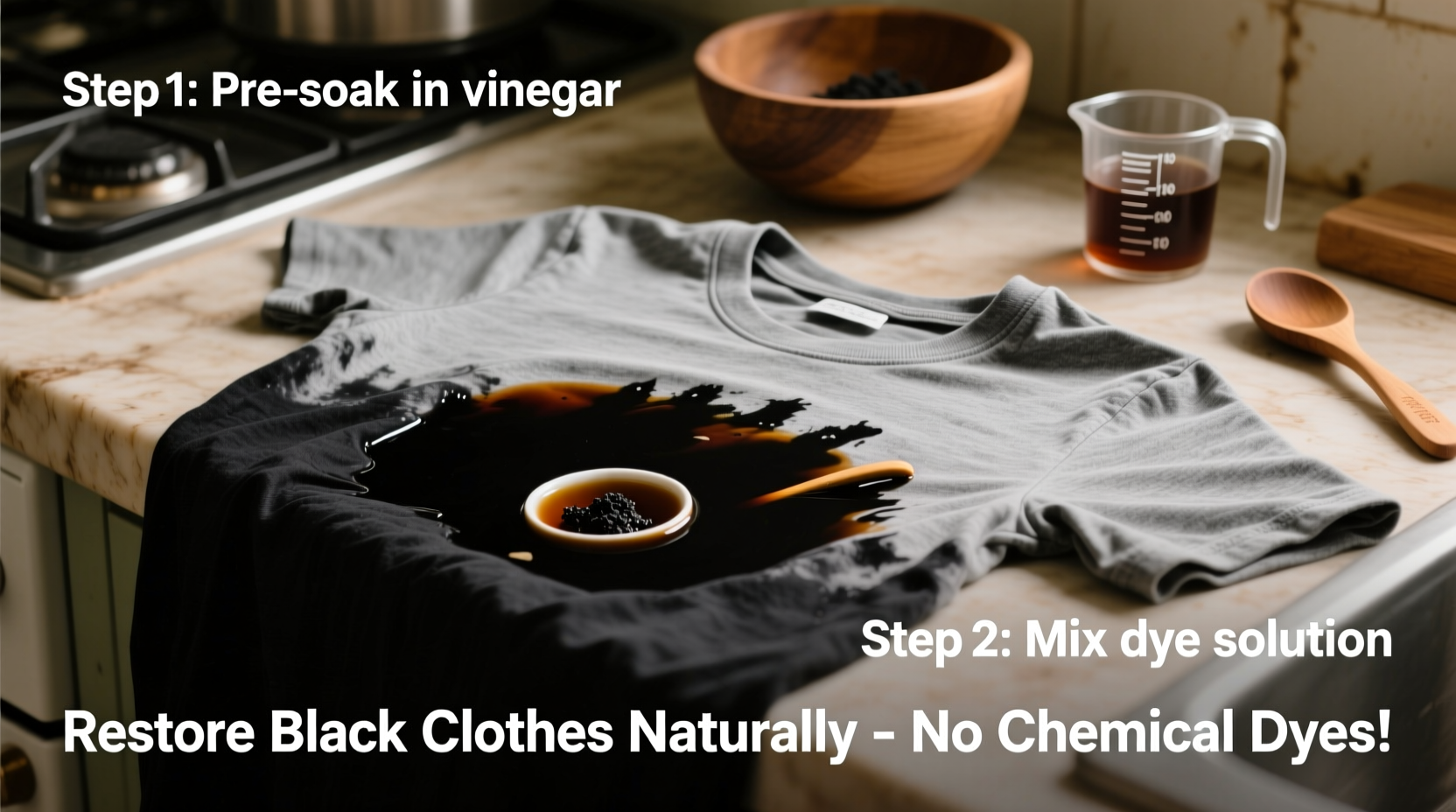
Understanding the root cause of fading helps prevent future damage and informs the best restoration approach. Several factors contribute to black fabrics losing their intensity:
- Washing frequency and method: Frequent laundering, especially in hot water, strips dye from fibers over time.
- Detergent type: Harsh detergents or those containing bleach (even in trace amounts) accelerate color loss.
- Sunlight exposure: UV rays break down dye molecules, leading to oxidation and a greyish cast.
- Fabric composition: Synthetic blends like polyester may hold dye better than cotton, but cotton tends to absorb natural dyes more effectively.
- Original dye quality: Fast fashion items often use cheaper dyes that weren't designed to last.
“Many people don’t realize that up to 30% of dye can leach out in the first few washes. Proper initial care sets the tone for longevity.” — Dr. Lena Patel, Textile Chemist, University of Manchester
Restoring black garments isn’t just about aesthetics—it’s also a sustainable choice. By reviving old pieces, you reduce textile waste and extend the lifecycle of your wardrobe.
Choosing the Right Dye Method: Natural vs. Synthetic
Two primary paths exist for restoring black clothing: commercial fabric dyes and natural alternatives. Each has pros and cons depending on fabric type, desired permanence, and environmental preferences.
| Method | Best For | Pros | Cons |
|---|---|---|---|
| Commercial Fabric Dye (e.g., Rit, Dylon) | All fiber types, especially synthetics | Strong, even color; heat-set for durability | Chemical smell; requires ventilation; potential runoff |
| Black Walnut Hulls | Natural fibers (cotton, wool, linen) | Non-toxic, biodegradable, deep earthy black | Labor-intensive; inconsistent results on blends |
| Iron + Tannin (Historical Method) | Cotton, hemp, silk | Very permanent; eco-friendly if sourced responsibly | Requires precise ratios; risk of fabric weakening |
| Activated Charcoal Paste | Spot treatments only | Quick fix for small areas | Not wash-fast; temporary solution |
For full garment revival, commercial dyes offer the most reliable outcome. However, natural methods are ideal for eco-conscious crafters willing to invest extra time.
Step-by-Step Guide: Restoring Black Clothes Using Commercial Dye
This method works best for 100% cotton, rayon, nylon, or wool. For synthetic blends (especially polyester), use a product formulated for synthetics, such as Rit DyeMore.
- Pre-wash the garment: Wash in warm water without detergent to remove any finishes, oils, or residues that could block dye absorption. Do not use fabric softener.
- Gather supplies: You’ll need powdered or liquid fabric dye (black), a large stainless steel or plastic pot (never aluminum), rubber gloves, stirring utensil (wooden spoon), and access to a stove or hot water source.
- Prepare the dye bath: Fill the pot with enough water to allow the garment to move freely (about 3–4 gallons). Heat to simmering (180–190°F / 82–88°C). Add dye according to package instructions—typically one box per pound of fabric.
- Add a dye fixative (optional but recommended): For cotton or rayon, add 1 cup of white vinegar or 1/2 cup of salt to help set the dye. For protein fibers like wool, use vinegar only.
- Submerge the garment: Wet the clothing thoroughly, then place it in the dye bath. Stir continuously for the first 5–10 minutes to ensure even saturation.
- Simmer for 30–60 minutes: Keep the fabric moving gently every few minutes. Longer immersion yields deeper black. Check progress by pulling out a section with tongs and rinsing briefly under cold water.
- Rinse and cool: After dyeing, turn off heat and let the garment cool in the dye bath for another 30 minutes. Then rinse under cold running water until the water runs clear.
- Wash separately: Launder the restored item alone in cold water with mild detergent. Air dry or tumble dry on low, depending on care label.
For larger items like coats or denim jackets, consider using a front-loading washing machine as the dye vessel. Run a hot cycle with dissolved dye and fixative, then follow with two cold rinse cycles before normal washing.
DIY Natural Dye Option: Black Walnut Hulls
If you prefer an all-natural route, black walnut hulls produce a rich, brown-black hue that deepens over time. This method has been used for centuries by artisans and herbalists.
What You’ll Need:
- 1 cup dried black walnut hulls (available online or from herbal suppliers)
- 4 quarts water
- Large pot
- Strainer or cheesecloth
- White vinegar (1/2 cup)
- Stirring spoon
Process:
- Place walnut hulls in the pot and cover with water.
- Bring to a boil, then reduce to a simmer for 1 hour, stirring occasionally.
- Strain the liquid into a clean container, discarding solids.
- Return the dye liquid to the pot and add vinegar as a mordant.
- Immerse pre-wetted garment and simmer for 45–60 minutes.
- Cool in dye bath, then rinse in cold water until runoff is clear.
- Air dry away from direct sunlight.
The resulting color will be a deep charcoal with subtle brown undertones—ideal for giving vintage depth to worn blacks. Multiple dips can build intensity.
Maintenance Tips to Prevent Future Fading
After restoring your black garments, protect your work with proper care habits. The following practices significantly slow re-fading:
- Wash inside out: This shields the outer surface from abrasion and detergent exposure.
- Use cold water: Hot water opens fiber pores and releases dye faster.
- Choose gentle, color-safe detergents: Look for labels like “for darks” or “color-protect.” Avoid products with optical brighteners.
- Minimize spin drying: High-speed spinning causes friction that wears down fibers and fades color.
- Air dry when possible: Tumble drying generates heat and mechanical stress that degrade dyes.
- Store away from sunlight: UV exposure continues to oxidize dyes even when clothes aren’t being worn.
“One overlooked factor is water hardness. Minerals in tap water can react with dyes and accelerate fading. Using distilled or filtered water for washing darks can make a noticeable difference.” — Sarah Lin, Sustainable Fashion Consultant
Mini Case Study: Reviving a Faded Black Denim Jacket
Jamal, a graphic designer in Portland, had a favorite black denim jacket he’d worn nearly daily for two winters. After frequent washing and commuting on a bike, the elbows and shoulders turned patchy grey, and the overall look felt tired.
Instead of replacing it, he decided to try Rit DyeMore, which is designed for synthetic blends (his jacket was 98% cotton, 2% elastane). He followed the stovetop method, simmering the jacket for 45 minutes in a deep black dye bath with added salt.
After cooling and rinsing, the jacket emerged with a uniform, almost-new black finish. He washed it once in cold water and wore it immediately. Six months later, with careful cold washing and air drying, the color remains strong—proving that restoration can match retail quality when done correctly.
FAQ: Common Questions About Restoring Black Clothes
Can I dye a garment that already has some black dye left?
Yes. In fact, partially faded garments often take new dye more evenly than undyed fabric. Just ensure the piece is thoroughly cleaned before starting to avoid blotchiness.
Will the dye rub off on my skin or other clothes?
If properly set and rinsed, high-quality fabric dyes should not transfer. However, always wash dyed items separately for the first 1–2 cycles. Avoid wearing light-colored clothing immediately after dyeing until you’re confident the color is stable.
Is it safe to use kitchen pots for dyeing?
Yes, but dedicate them solely to dyeing afterward. Even thorough cleaning may leave microscopic dye residues unsafe for food preparation. Label and store them separately.
Checklist: How to Restore Faded Black Clothes (Quick Reference)
- ☐ Identify fabric type (cotton, wool, synthetic, blend)
- ☐ Choose appropriate dye (natural or commercial)
- ☐ Pre-wash garment without detergent
- ☐ Test dye on inconspicuous area
- ☐ Prepare dye bath with correct temperature and volume
- ☐ Add fixative (vinegar or salt) if needed
- ☐ Submerge and stir garment for even coverage
- ☐ Simmer 30–60 minutes for full saturation
- ☐ Cool in dye bath, then rinse until water runs clear
- ☐ Wash separately in cold water and air dry
- ☐ Store properly and adopt fade-prevention habits
Conclusion: Bring Back the Depth, One Garment at a Time
Faded black clothes don’t have to signal the end of their life. With accessible materials and a bit of patience, you can restore depth, richness, and confidence to your wardrobe. Whether you choose a quick commercial dye job or a hands-on natural process, the result is more than cosmetic—it’s a statement of care, sustainability, and personal craftsmanship.
Every garment saved from landfill is a small victory. Every revived piece carries history and character that new clothing can’t replicate. Take one faded item this week, gather your supplies, and give it a second life. You might just rediscover a forgotten favorite—and inspire others to do the same.




 浙公网安备
33010002000092号
浙公网安备
33010002000092号 浙B2-20120091-4
Comments
No comments yet. Why don't you start the discussion?