
Wool sweaters are timeless, warm, and elegant—but they come with a well-known vulnerability: shrinking. Whether it’s an accidental tumble dry or a hot water wash, wool fibers can tighten and contract, leaving your favorite sweater looking like it belongs to a child. The good news is that most cases of wool shrinkage are reversible. With the right techniques—especially those involving conditioners—you can often restore your sweater to nearly its original size and shape.
This guide dives deep into the science behind wool shrinkage and provides a detailed, practical approach using hair conditioner as a key tool. From understanding fiber behavior to executing a precise restoration process, you’ll gain everything needed to rescue your cherished garment without damage.
The Science Behind Wool Shrinkage
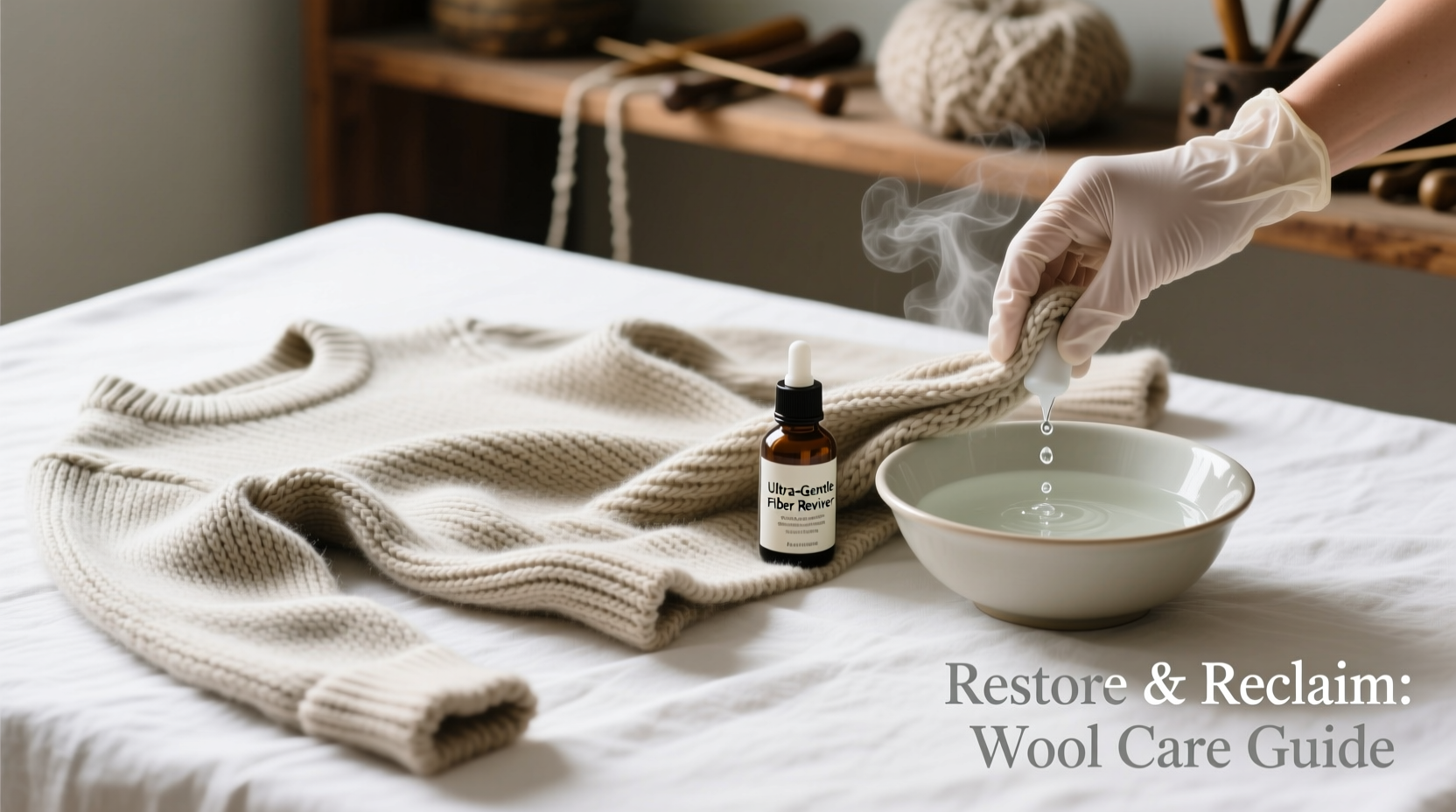
Wool is a natural protein fiber derived from sheep. Its unique structure includes overlapping scales on the surface of each strand. When exposed to heat, moisture, and agitation—common elements in washing machines or dryers—these scales interlock and migrate in one direction, causing the fabric to felt and contract. This process, known as felting, is what leads to irreversible shrinkage if not addressed promptly.
However, when caught early and treated correctly, the fibers can be relaxed and gently stretched back into place. The key lies in softening the fibers to reduce friction between the scales, allowing them to slide apart again. This is where conditioner comes in.
“Conditioner works by coating wool fibers with emollients that lubricate the surface, making it easier to manipulate the fabric without breaking fibers.” — Dr. Lena Peters, Textile Chemist at the Institute for Fiber Innovation
Unlike harsh chemical treatments, conditioners—especially those designed for curly or damaged hair—are formulated with ingredients like shea butter, coconut oil, and silicones that penetrate and soften keratin-based materials, which wool also contains. This makes them ideal for controlled fiber relaxation.
Step-by-Step Guide: Restoring a Shrunken Wool Sweater Using Conditioner
Restoring a shrunken wool sweater isn’t instant—it requires patience, precision, and gentle handling. Follow this method carefully to maximize results and minimize risk.
- Assess the Damage: Lay the sweater flat and measure key areas (chest width, sleeve length, body length). Note these dimensions to track progress.
- Gather Supplies: You’ll need lukewarm water, a mild shampoo or wool wash, a generous amount of hair conditioner (preferably silicone-free), towels, a flat drying surface, and rust-proof pins or blocking wires.
- Fill a Basin with Lukewarm Water: Use about 3–4 gallons of water at approximately 85–90°F (29–32°C). Avoid hot water, as it can worsen shrinkage.
- Add Cleanser and Conditioner: Mix 1 tablespoon of baby shampoo or wool detergent with ¼ cup of hair conditioner. Stir gently to disperse evenly.
- Soak the Sweater: Submerge the sweater completely. Let it soak for 20–30 minutes, pressing down occasionally to ensure full saturation. Do not agitate.
- Drain and Gently Press Out Water: Do not wring. Instead, lift the sweater and let excess water drip out. Then lay it on a clean towel, roll tightly to absorb moisture, and unroll.
- Begin Reshaping: Lay the sweater on a second dry towel or blocking mat. Starting with the body, gently stretch it outward in all directions, focusing on areas that have contracted.
- Pin Into Place: Use rust-proof T-pins or blocking wires to hold the sweater at the desired dimensions. Measure against your original notes to ensure accuracy.
- Allow to Dry Completely: Keep the sweater flat, away from direct sunlight or heat sources. Drying may take 24–48 hours. Resist the urge to speed it up with a fan or heater.
- Evaluate and Repeat if Necessary: Once dry, check fit and measurements. If still too small, repeat the process once more. Over-stretching can weaken fibers, so limit repetitions to two.
Choosing the Right Conditioner: What Works and What Doesn’t
Not all conditioners are created equal when it comes to wool restoration. Some contain heavy oils or proteins that can weigh down fibers or attract dirt over time. Others include alcohol or sulfates that strip natural lanolin, increasing brittleness.
The best conditioners for wool are those designed for curly, coarse, or chemically treated hair—types that require deep moisturization and slip. Look for ingredients like argan oil, shea butter, glycerin, or dimethicone. Avoid products labeled “volumizing” or “clarifying,” as they tend to be drying.
| Recommended Conditioners | Why They Work | Avoid These Types | Why They’re Harmful |
|---|---|---|---|
| Pantene Relaxed & Natural Conditioning Treatment | Rich in moisturizers, affordable, widely available | Tresemme Keratin Smooth | Contains drying alcohols |
| SheaMoisture Coconut & Hibiscus Curl Enhancing Smoothie | Natural oils provide excellent fiber lubrication | VO5 Moisturizing Conditioner | Low-quality silicones may leave buildup |
| OGX Renewing Argan Oil of Morocco | Lightweight yet effective penetration | Head & Shoulders Smooth & Silky | Zinc pyrithione can react with wool proteins |
| Herbal Essences Bio:Renew Argan Oil | Silicone content aids in detangling wool fibers | Dove Oxygen & Nourishment | Foaming agents may strip natural oils |
Always perform a spot test on an inconspicuous area (like an inside seam) before full immersion. Rinse thoroughly after treatment to prevent long-term residue accumulation.
Real Example: Recovering a Heirloom Merino Sweater
Sophie, a librarian from Portland, inherited a hand-knit merino wool cardigan from her grandmother. After mistakenly washing it in warm water and drying it on low heat, the sweater shrunk significantly—sleeves rose to elbow length, and the chest became snug enough to restrict breathing.
Distraught but determined, Sophie researched wool restoration and came across the conditioner method. She used a mix of baby shampoo and SheaMoisture curl conditioner, soaking the sweater for 25 minutes. After careful pressing and reshaping on a blocking mat, she pinned it to her original measurements. Two days later, the sweater had regained 90% of its original length and fit comfortably again.
“It wasn’t perfect,” Sophie said, “but seeing it wearable again brought me to tears. It’s not just clothing—it’s memory.”
Her success underscores the importance of acting quickly and using gentle, fiber-compatible products. Delayed treatment allows fibers to set in their shrunken state, reducing the chances of recovery.
Common Mistakes to Avoid During Restoration
Even with the right materials, errors in technique can ruin a wool sweater. Here are frequent pitfalls and how to avoid them:
- Using Hot Water: Heat activates felting. Always use lukewarm or cool water to relax fibers without further damage.
- Wringing or Twisting: This stresses wet fibers, leading to breakage or distortion. Instead, press gently between towels.
- Stretching Too Aggressively: Over-stretching can thin the fabric or distort the knit pattern. Apply gradual, even pressure.
- Drying Vertically: Hanging a wet wool sweater causes it to stretch under its own weight. Always dry flat.
- Skipping the Blocking Stage: Without pinning, the sweater may dry unevenly or revert to a smaller shape.
FAQ: Common Questions About Wool Restoration
Can I use fabric softener instead of hair conditioner?
No. Fabric softeners contain cationic surfactants that coat fibers and may cause long-term stiffness or yellowing. Hair conditioners are pH-balanced for protein-based materials and offer better lubrication without harmful residues.
Will this method work on a fully felted wool item?
Limited success. If the wool has completely matted into a dense, non-porous material (like a handmade felted bag), stretching won’t restore the original knit. The conditioner method works best within 24–72 hours of shrinkage.
How often can I repeat the process?
Maximum two times. Repeated soaking and stretching fatigue wool fibers, increasing the risk of holes or sagging. If the first attempt fails, consider professional textile restoration.
Prevention Checklist: Protect Your Wool Sweaters
Once restored, protect your sweater from future shrinkage with these proactive steps:
- ✔ Hand-wash in cold water with wool-specific detergent
- ✔ Never use a dryer—even on air-only settings
- ✔ Dry flat on a mesh rack or towel, reshaping while damp
- ✔ Store folded, never hung, to prevent shoulder bumps
- ✔ Use breathable cotton bags for seasonal storage
- ✔ Rotate wear to allow fibers to recover between uses
“The best wool care is preventive care. A five-minute rinse and proper drying routine can save months of regret.” — Marcus Reed, Sustainable Fashion Consultant
Conclusion: Restore, Wear, and Preserve with Confidence
Shrinkage doesn’t have to mean the end of your wool sweater’s life. By understanding the behavior of wool fibers and applying targeted, conditioner-based restoration techniques, you can reverse common laundry mishaps and reclaim garments with sentimental or monetary value.
The method outlined here is accessible, cost-effective, and scientifically sound—using everyday products to achieve professional-level results. Whether rescuing a gift, an heirloom, or a winter essential, the process empowers you to take control of your wardrobe’s longevity.




 浙公网安备
33010002000092号
浙公网安备
33010002000092号 浙B2-20120091-4
Comments
No comments yet. Why don't you start the discussion?