
White Converse sneakers are a timeless wardrobe staple—versatile, stylish, and perfect for casual wear. But over time, they’re bound to lose their luster. Dirt, scuff marks, sweat stains, and exposure to sunlight can turn once-bright canvas into a dingy, yellowed pair. While commercial cleaners exist, many contain harsh chemicals that may damage fabric or fade stitching. A safer, more affordable, and surprisingly effective alternative? Baking soda and vinegar—two common household items known for their cleaning power.
This guide walks through the science-backed method of restoring your white Converse using only baking soda and vinegar. You’ll learn not just the steps, but also why they work, what mistakes to avoid, and how to maintain your freshly cleaned sneakers long-term. Whether you’ve had your Chucks for months or years, this process can breathe new life into them—without breaking the bank.
The Science Behind Baking Soda and Vinegar Cleaning
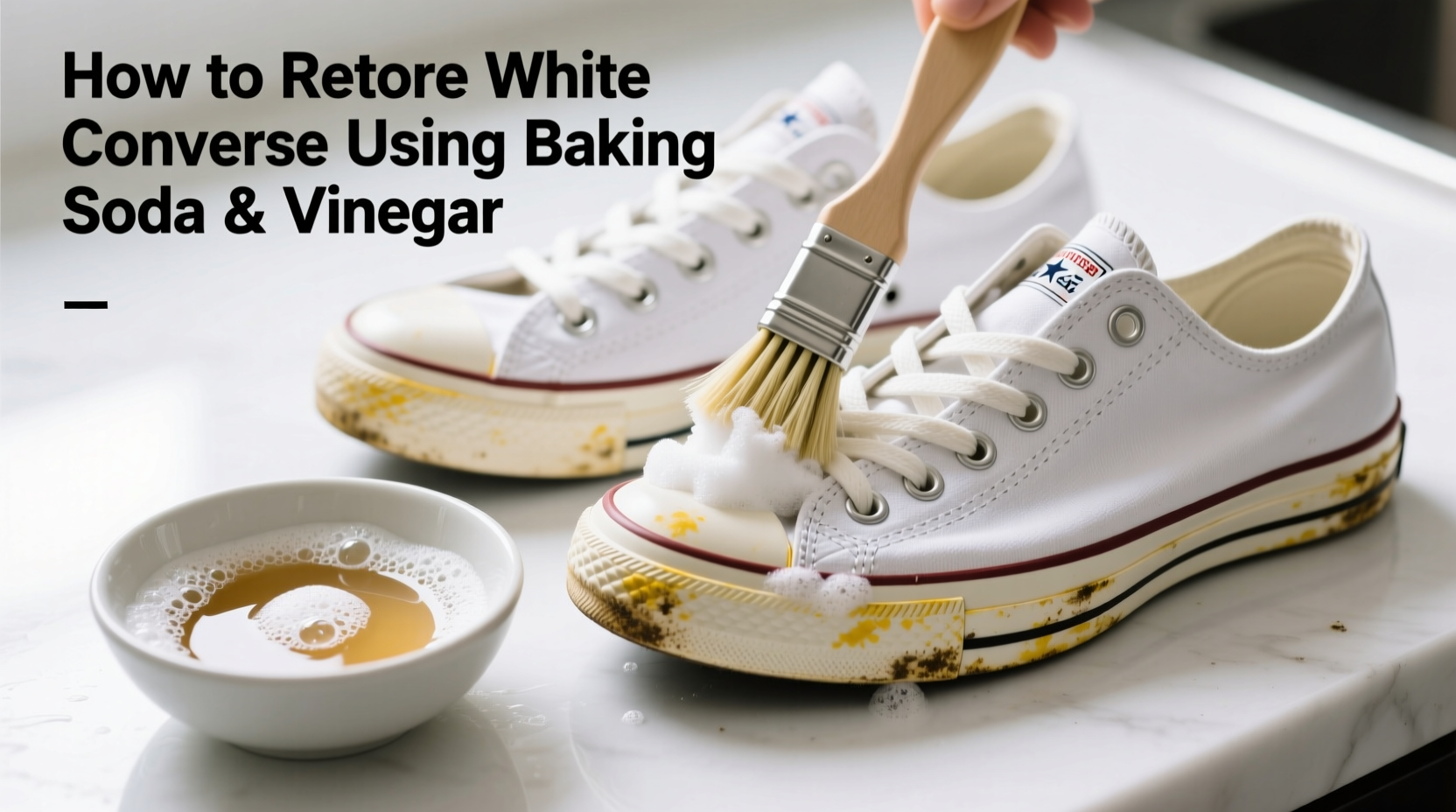
Baking soda (sodium bicarbonate) and white vinegar (acetic acid) form a powerful natural cleaning duo. When combined, they create a fizzy chemical reaction that helps lift dirt, break down organic stains, and neutralize odors. While the effervescence is temporary, the cleaning action remains potent on porous surfaces like canvas.
Baking soda acts as a gentle abrasive, making it ideal for scrubbing away surface grime without damaging fabric fibers. It’s also alkaline, which helps counteract acidic residues from sweat and environmental pollutants. Vinegar, on the other hand, has antimicrobial properties and cuts through grease and mineral buildup. Together, they offer a deep clean that targets both visible stains and invisible bacteria.
“Natural cleaning agents like baking soda and vinegar are excellent for textiles when used correctly. They’re less likely to degrade fabric over time compared to bleach-based products.” — Dr. Linda Chen, Textile Care Researcher, University of Massachusetts
It’s important to note: while the fizzing reaction looks impressive, it doesn’t enhance cleaning beyond surface agitation. For best results, apply the mixture directly to stained areas and allow time for chemical action, rather than relying solely on the bubbles.
Step-by-Step Guide to Restoring White Converse
Follow this detailed process to safely and effectively clean your white Converse sneakers using only baking soda and vinegar. This method works best on canvas models (like Chuck Taylor All Stars), though it can be cautiously adapted for rubber soles and leather accents.
- Remove laces and insoles
Take out the shoelaces and pull out the insoles if possible. Wash laces separately by soaking them in warm water with a bit of baking soda. Insoles should be air-dried after wiping with a vinegar-dampened cloth. - Dry brush loose debris
Use a soft-bristled toothbrush or sneaker brush to remove dried mud, dust, and surface dirt from the canvas and rubber trim. Focus on seams and grooves where grime accumulates. - Create the cleaning paste
Mix two tablespoons of baking soda with one tablespoon of white vinegar in a small bowl. The mixture will bubble initially—wait until the reaction settles, then stir into a thick paste. Add a few drops of water if too dry. - Apply paste to stained areas
Using an old toothbrush, gently scrub the paste onto discolored sections—especially toe caps, sides, and heel collars. Work in small circular motions to lift embedded dirt without fraying the fabric. - Treat the rubber soles
The white rubber midsole often yellows with age. Apply extra paste here, focusing on edges and crevices. Let sit for 10 minutes before scrubbing again. Avoid getting paste on colored logos or stitching. - Rinse thoroughly
Dampen a clean cloth with cold water and wipe off all residue. Do not soak the shoes. Excess water can weaken glue and cause canvas to warp. For stubborn spots, repeat the application. - Air-dry properly
Stuff each shoe with crumpled paper towels to absorb moisture and maintain shape. Place in a well-ventilated area away from direct sunlight or heat sources. Sunlight accelerates yellowing; heat can shrink canvas. - Reassemble and protect
Once fully dry (usually 6–12 hours), reinsert insoles and relace. Consider applying a fabric protector spray to resist future stains.
Do’s and Don’ts When Cleaning White Converse
To maximize results and extend the lifespan of your sneakers, follow these essential guidelines. Even natural cleaners can cause harm if misused.
| Do’s | Don’ts |
|---|---|
| Use cold or lukewarm water—never hot | Put Converse in the washing machine or dryer |
| Spot-test cleaning paste on a hidden area first | Soak shoes in liquid for extended periods |
| Allow shoes to air-dry at room temperature | Expose wet shoes to direct sunlight |
| Clean every 2–3 weeks with light maintenance | Use bleach or ammonia-based cleaners |
| Store in breathable cotton bags when not in use | Leave damp shoes in enclosed spaces |
One common mistake is assuming “natural” means “safe in any amount.” Overuse of vinegar can weaken fabric fibers over time, especially if left un-rinsed. Always dilute and rinse thoroughly. Similarly, aggressive scrubbing—even with a soft brush—can fray canvas edges. Gentle pressure and patience yield better long-term results.
Real Example: Reviving a Pair of Heavily Worn Chucks
Jamie, a college student in Portland, wore her white Converse nearly every day for eight months. By winter, the canvas was gray along the sides, the toe cap had turned yellow, and the rubber soles were streaked with sidewalk grime. She tried wiping them with soap and water, but the stains remained.
After reading about the baking soda and vinegar method, she decided to try it. She followed the step-by-step process, paying special attention to the soles and high-friction zones near the ball of the foot. After letting the paste sit for 15 minutes and scrubbing gently, she wiped the shoes clean with a damp cloth and stuffed them with newspaper.
The next morning, Jamie was stunned. The canvas looked noticeably whiter, almost restored to its original brightness. The rubber soles had lost their yellow tint, and the overall appearance was significantly fresher. “I couldn’t believe it came out of my kitchen cabinet,” she said. “They don’t look brand new, but they look wearable—and confident enough to wear to class again.”
This example shows that even heavily worn Converse can benefit from proper care. While no home method replaces factory finishes, consistent cleaning dramatically extends wearability and appearance.
Frequently Asked Questions
Can I use apple cider vinegar instead of white vinegar?
It’s not recommended. Apple cider vinegar contains pigments and additional organic compounds that may stain or discolor white canvas. Stick to clear, distilled white vinegar for best results.
How often can I clean my Converse with this method?
For regular maintenance, perform light cleaning every 2–3 weeks. A full baking soda and vinegar treatment is best limited to once every 4–6 weeks to prevent fiber fatigue. Between deep cleans, wipe down shoes with a damp cloth and mild soap.
Will this method work on black or colored Converse?
Proceed with caution. While baking soda is generally safe, vinegar may affect dye stability in colored fabrics. Always test on a small, inconspicuous area first. This method is safest and most effective on white or off-white canvas.
Checklist: How to Restore White Converse Using Baking Soda and Vinegar
Keep this checklist handy when starting your cleaning session:
- ☐ Remove laces and insoles
- ☐ Dry brush surface dirt from canvas and soles
- ☐ Mix 2 tbsp baking soda + 1 tbsp white vinegar into a paste
- ☐ Spot-test on inner tongue or heel lining
- ☐ Scrub paste onto stained areas with soft brush
- ☐ Focus extra attention on rubber soles and toe caps
- ☐ Wipe off residue with a damp, cold-water cloth
- ☐ Stuff shoes with paper towels and air-dry indoors
- ☐ Re-lace and consider fabric protection spray
Final Thoughts and Long-Term Care Tips
Restoring your white Converse with baking soda and vinegar isn’t just about immediate results—it’s part of a broader approach to footwear care. Clean sneakers reflect personal pride and extend the functional life of a beloved product. Instead of discarding slightly worn shoes, thoughtful maintenance allows you to enjoy them for years.
After restoration, protect your investment. Avoid wearing white Converse in muddy or rainy conditions. If they do get wet, dry them slowly and naturally. Use a fabric guard spray every few months to create a stain-resistant barrier. And remember: consistency beats intensity. Frequent light cleaning prevents the need for aggressive treatments later.
As sustainability becomes increasingly important, reusing and refreshing what we already own matters more than ever. By mastering simple, eco-friendly techniques like this one, you reduce waste, save money, and keep your style sharp—all without relying on synthetic chemicals or single-use products.




 浙公网安备
33010002000092号
浙公网安备
33010002000092号 浙B2-20120091-4
Comments
No comments yet. Why don't you start the discussion?